
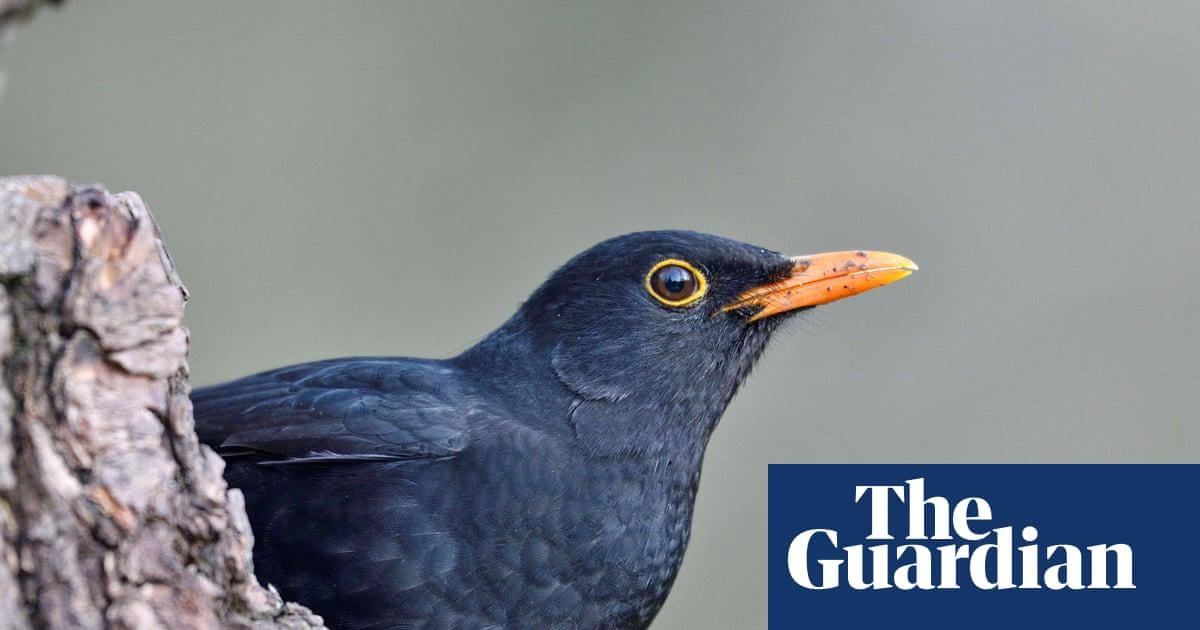
Gli uccelli francesi iniziano a mostrare segni di ripresa dopo il divieto dei pesticidi dannosi per le api
https://www.theguardian.com/environment/2025/nov/17/france-wildlife-insect-bird-numbers-rise-neonicotinoid-pesticide-ban-aoe
di BudgetPhallus
3 commenti
Insect-eating bird populations in France appear to be making a tentative recovery after a ban on bee-harming pesticides, according to the first study to examine how wildlife is returning in Europe.
Neonicotinoids are the world’s most common class of insecticides, widely used in agriculture and for flea control in pets. By 2022, four years after the European Union banned neonicotinoid use in fields, researchers observed that France’s population of insect-eating birds had increased by 2%-3%. These included blackbirds, blackcaps and chaffinches, which feed on insects as adults and as chicks.
The results could be mirrored across the EU, where the neonicotinoid ban came into effect in late 2018, but research has not yet been done elsewhere. The lead researcher, Thomas Perrot from the Fondation pour la recherche sur la biodiversité in Paris, said: “Even a few percentage [points’] increase is meaningful – it shows the ban made a difference. Our results clearly point to neonicotinoid bans as an effective conservation measure for insectivorous birds.”
Like the EU, the UK banned neonicotinoids for outdoor general use in 2018, although they can be used in exceptional circumstances. They are still widely used in the US, which has lost almost 3 billion insectivorous birds since the 1970s.
The study, which was published in the journal Environmental Pollution, looked at data from more than 1,900 sites across France collected by skilled volunteer ornithologists for the French Breeding Bird Survey. They divided the data into two groups – the five years before the ban, from 2013 to 2018; and the post-ban period from 2019 to 2022.
Perrot’s team analysed data on 57 bird species at these sites, each of which measured 2km by 2km (1.25 miles). They found that the numbers of insectivorous birds at pesticide-treated sites were 12% lower compared with sites where there was no neonicotinoid use.
It is likely that other insect-eating animals such as small mammals, bats and even fish could also be seeing the benefits, Perrot said. Generalist birds such as the wood pigeon and house sparrow appeared to be less affected, probably because they have more flexible diets and do not rely on insects.
Frans van Alebeek, policy officer for rural areas at BirdLife Netherlands, said: “A lot of pressure was necessary to force governments to make this ban. There was huge pressure on the EU parliament from citizens.
“I was surprised you could already see recovery,” said Alebeek, who was not involved in the research. “It’s extremely difficult to study this – which makes this study so special. The positive message is that it helps to ban pesticides and it will result in the recovery of wildlife.”
Other researchers were more cautious about the findings. James Pearce-Higgins, director of science at the British Trust for Ornithology, said: “It’s a study that shows there may be early signs of weak population recovery but the results are uncertain and could be down to other correlated factors.”
Habitat and climate are other factors that could explain variations in bird numbers, but it is difficult to be definitive. “This study highlights the value of long-term monitoring so we can better understand these trends in the future,” Pearce-Higgins said.
Bird numbers have fallen sharply in many countries around the world, and several studies indicate that the loss of insects is driving declines.
Neonicotinoids are systemic insecticides, which are absorbed by plants and become present throughout their tissues, making any part of the plant toxic to insects that feed on it. They were introduced in the 1990s and quickly became widespread across Europe.
Mass die-offs of bees were first reported in the early 2000s in France and Germany. Research showed these chemicals – even in tiny doses – could affect bees’ navigation and foraging. By the 2010s their impact on bees had become a big public issue, and by 2018 the EU banned them for almost all outdoor use, despite fierce pushback from agribusiness, especially chemical companies.
“The weak recovery after the ban makes sense,” said Perrot. “Neonicotinoids persist in soils for years and can keep affecting insects.
Bayer should should be sued as well.
That’s nice but french agriculture still fighting to keep spraying Glyphosate like Roundup and keep getting exceptional extensions of permits.
“Roundup Ready‐To‐Use, Roundup No Glyphosate, and Roundup ProActive have all been found to cause significant mortality in bees when sprayed directly on them. It has been hypothesized that this is due to surfactants in the formulations blocking the tracheal system of the bees.“
Even this, it is widely accepted that organic agriculture is possible and well done increases yield.
Some farmers live well of it, even it sometimes even excludes them from subventions.
I think it is time to weed out the bad actors with specific and clever state intervention.