Il sole è tramontato su Kiev nel 1369° giorno dell’invasione su vasta scala. Mitragliere con amputazione diventa modello alla settimana della moda ucraina
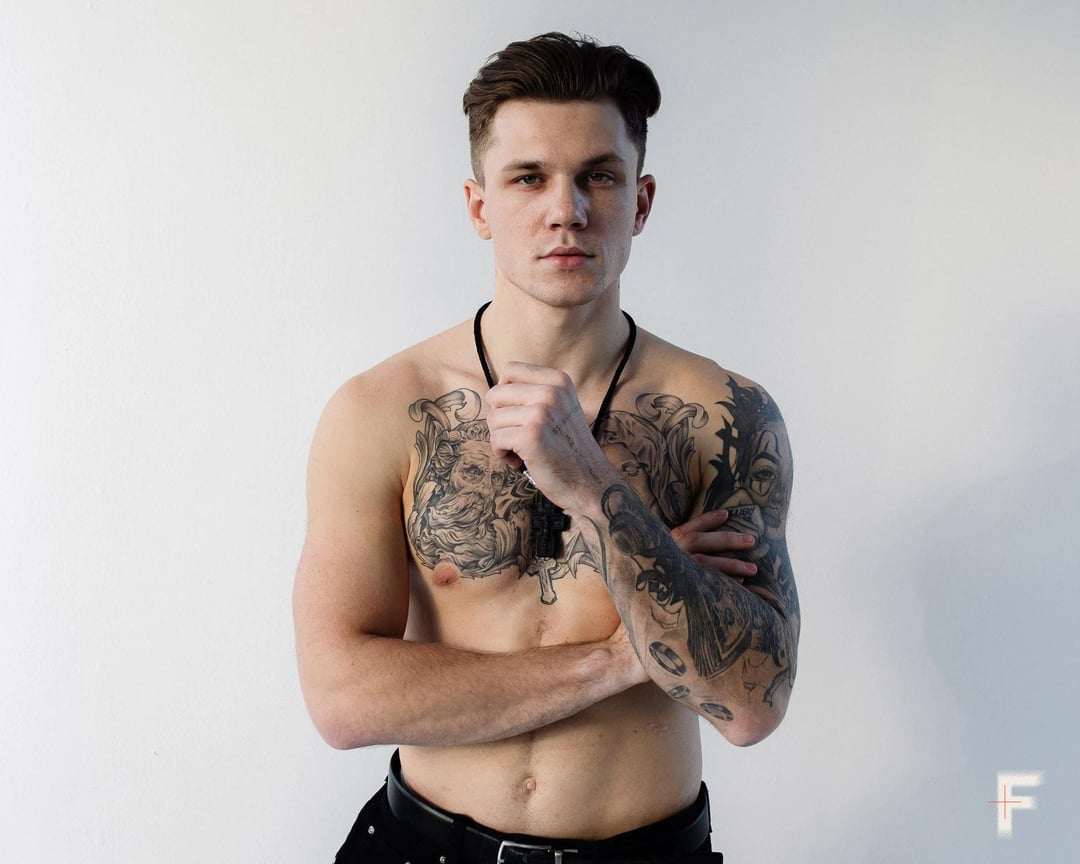
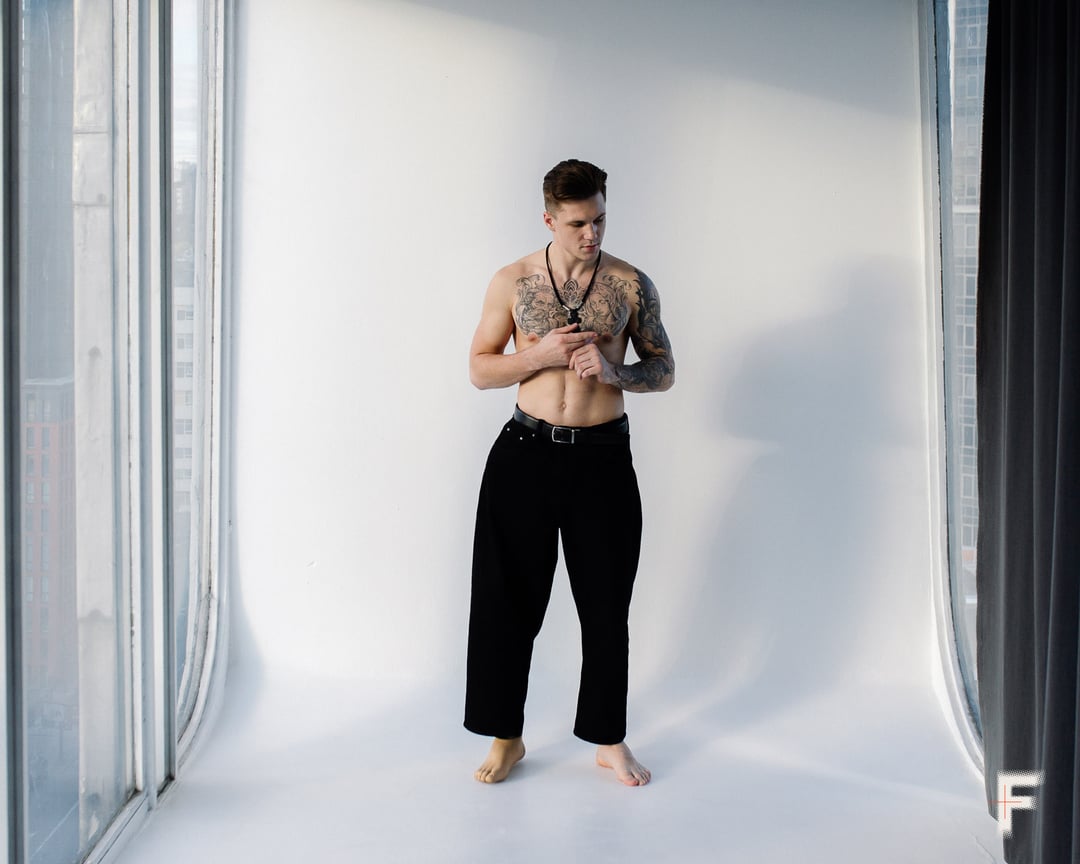
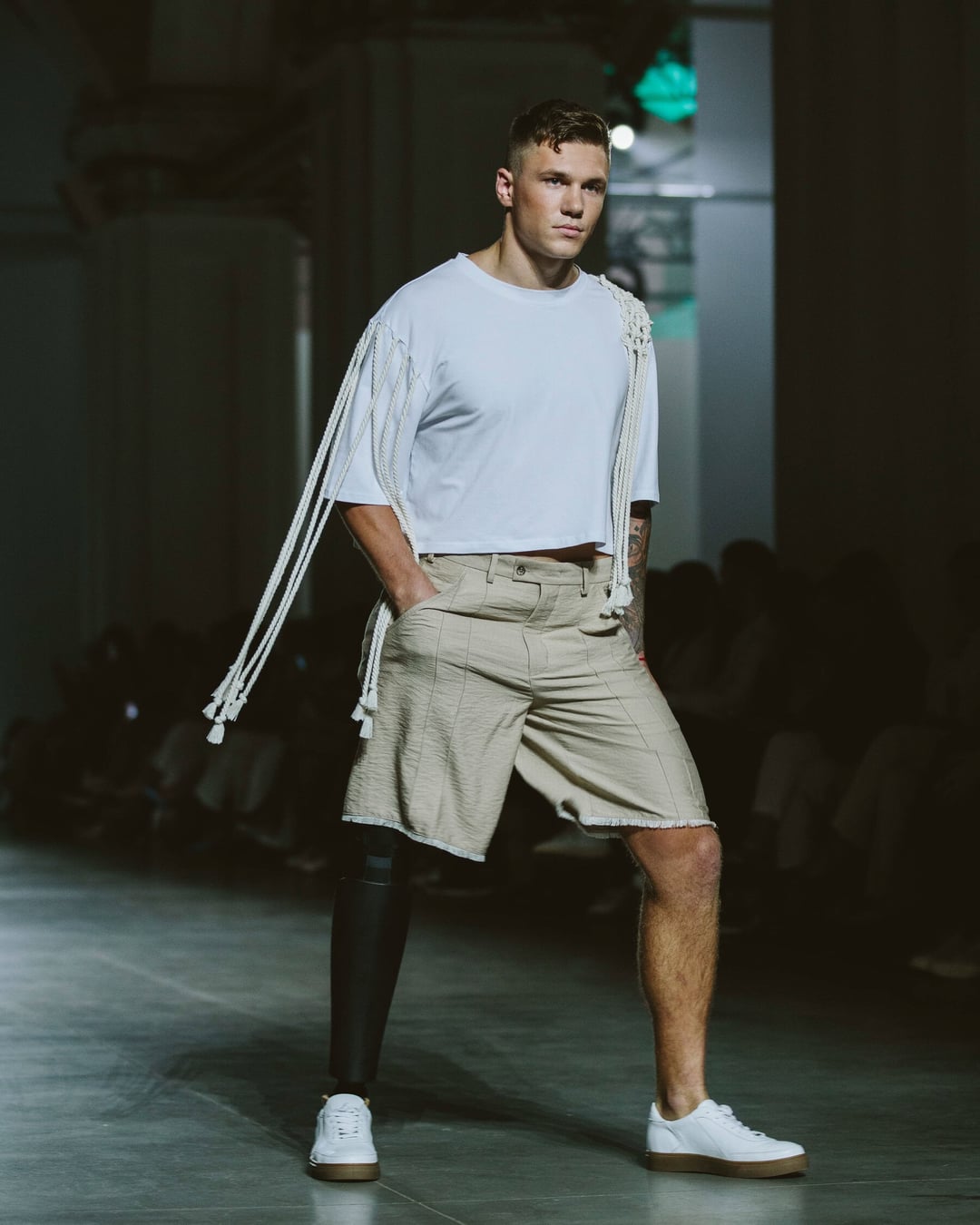
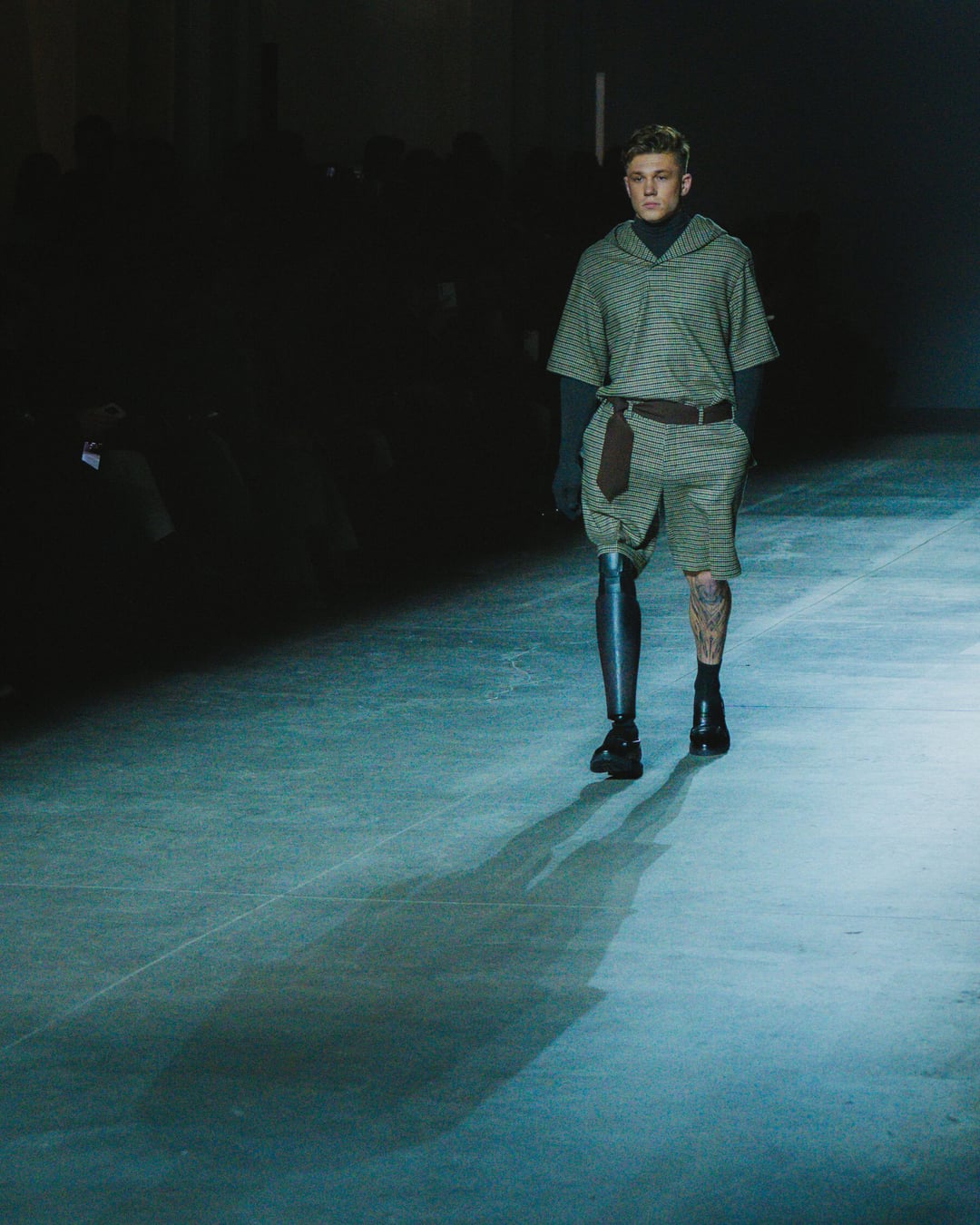
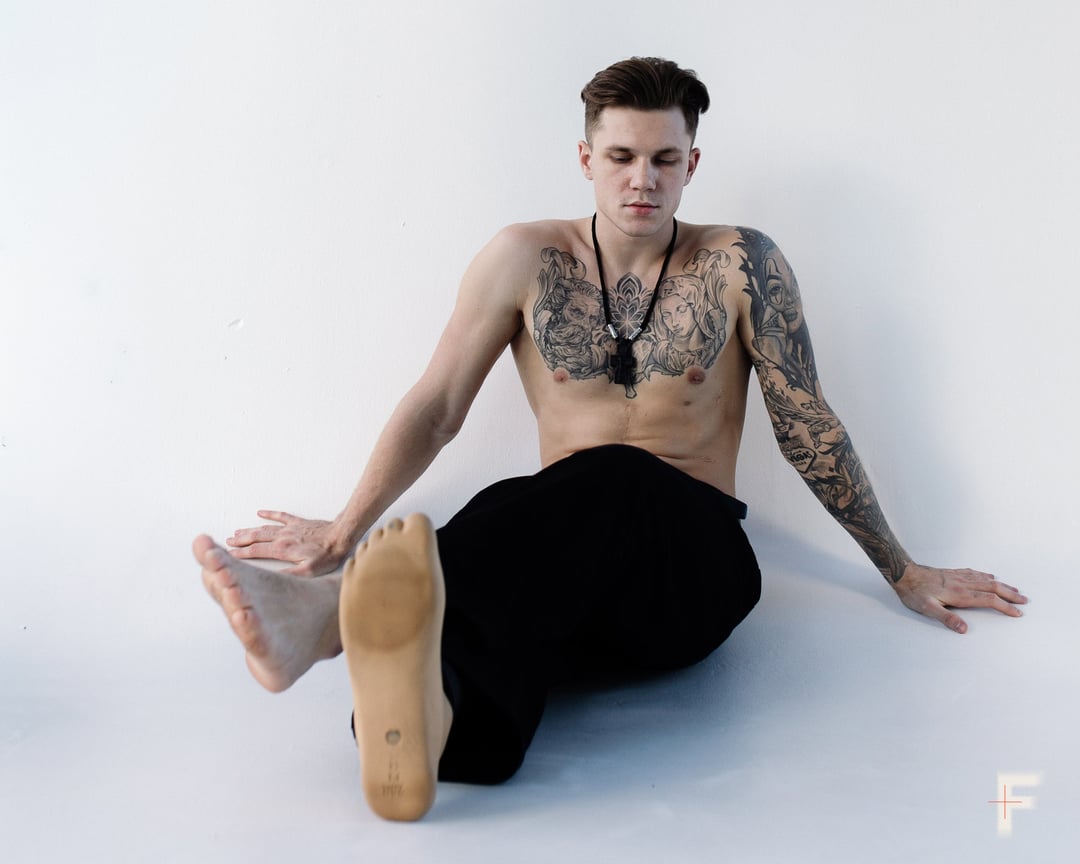
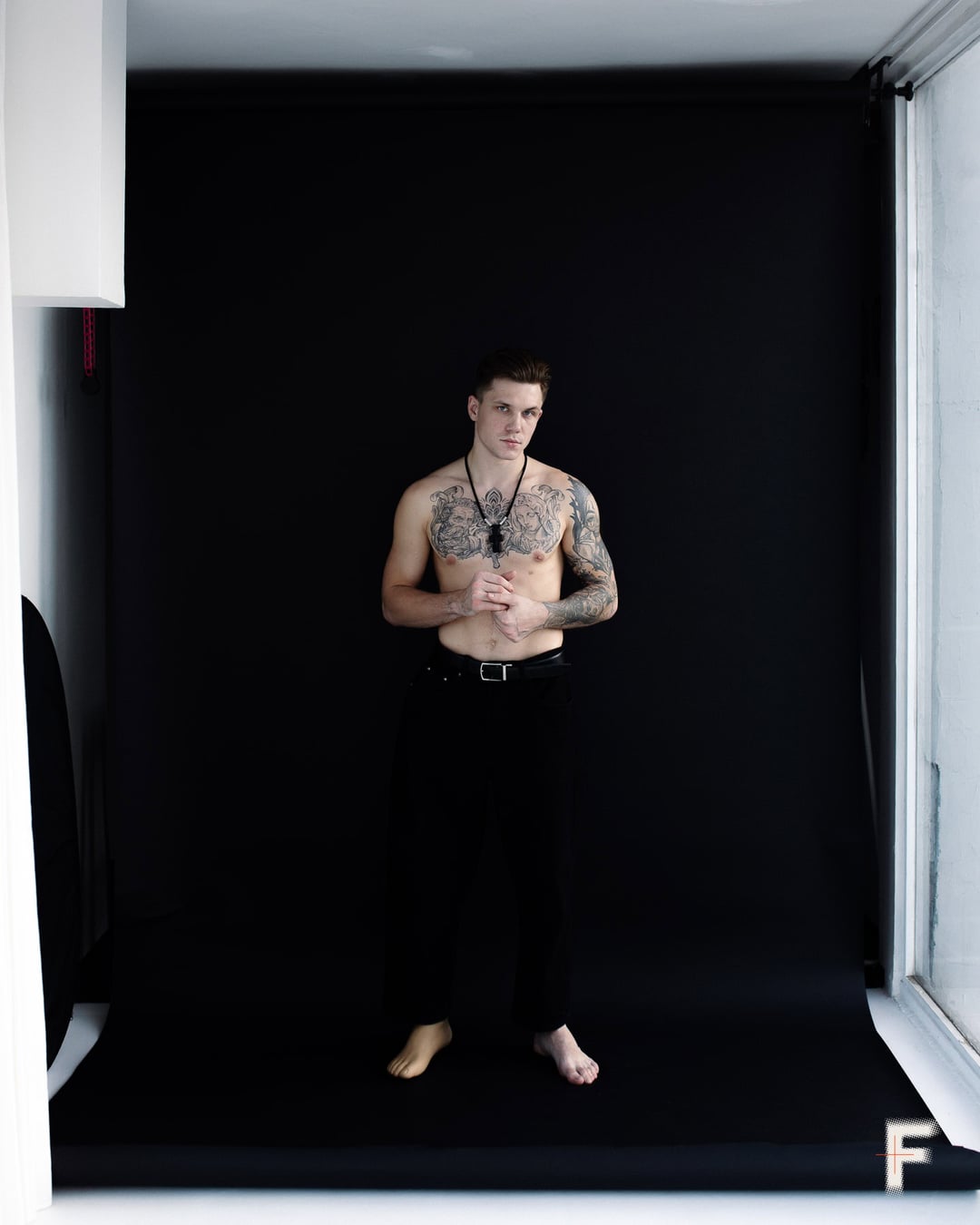
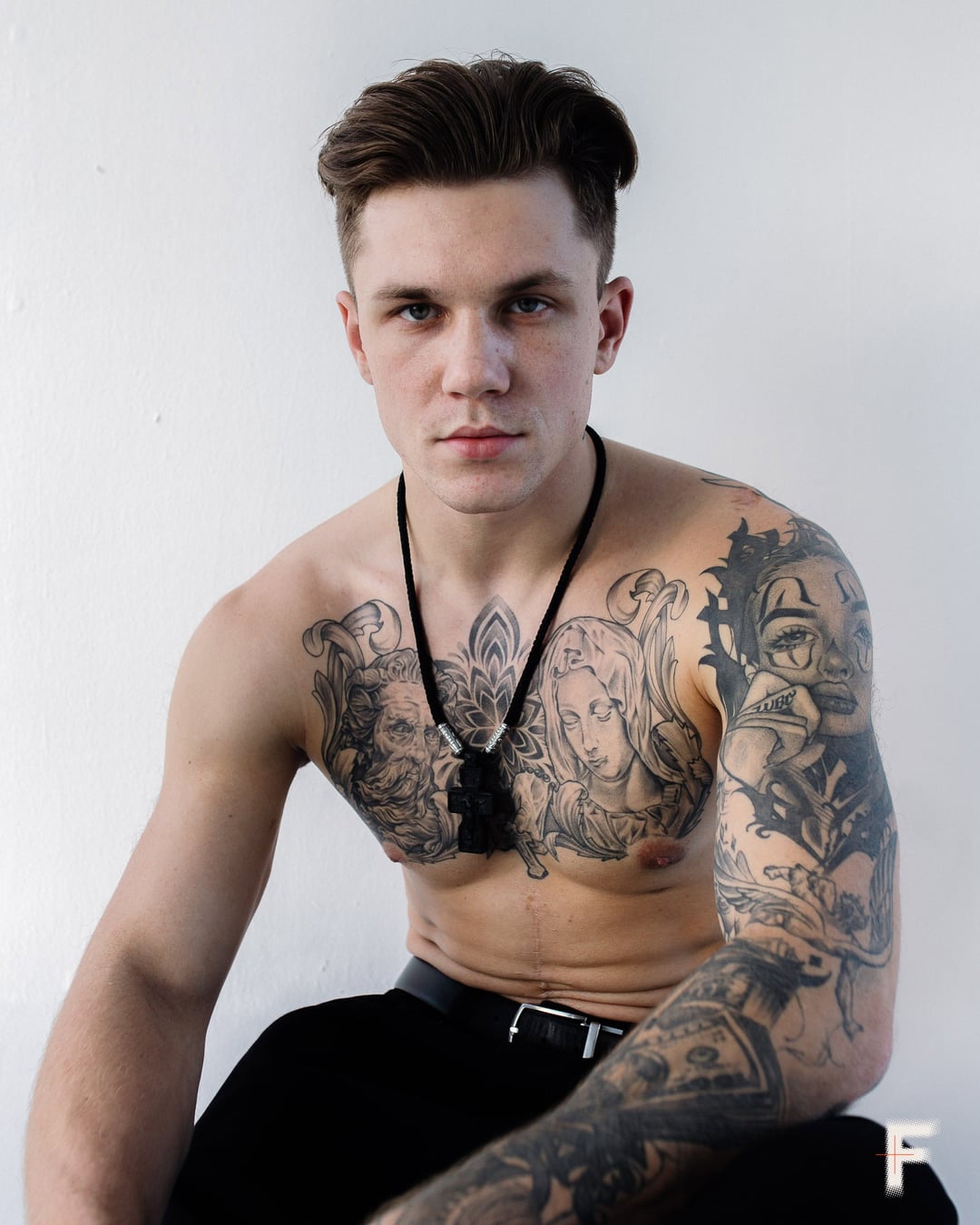
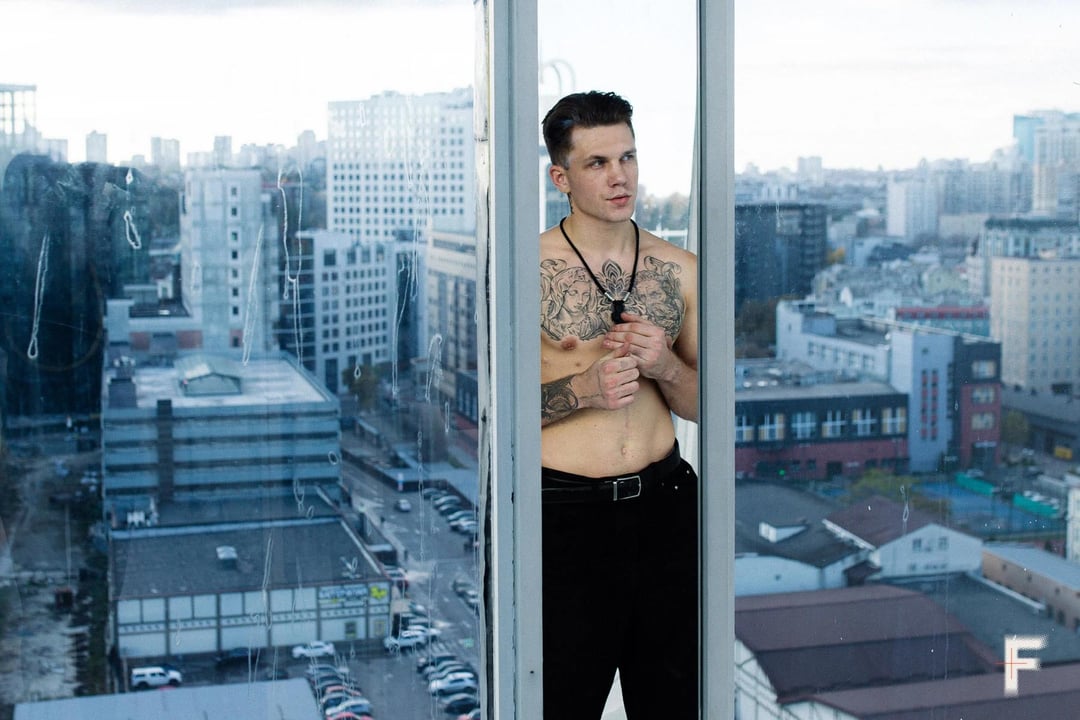
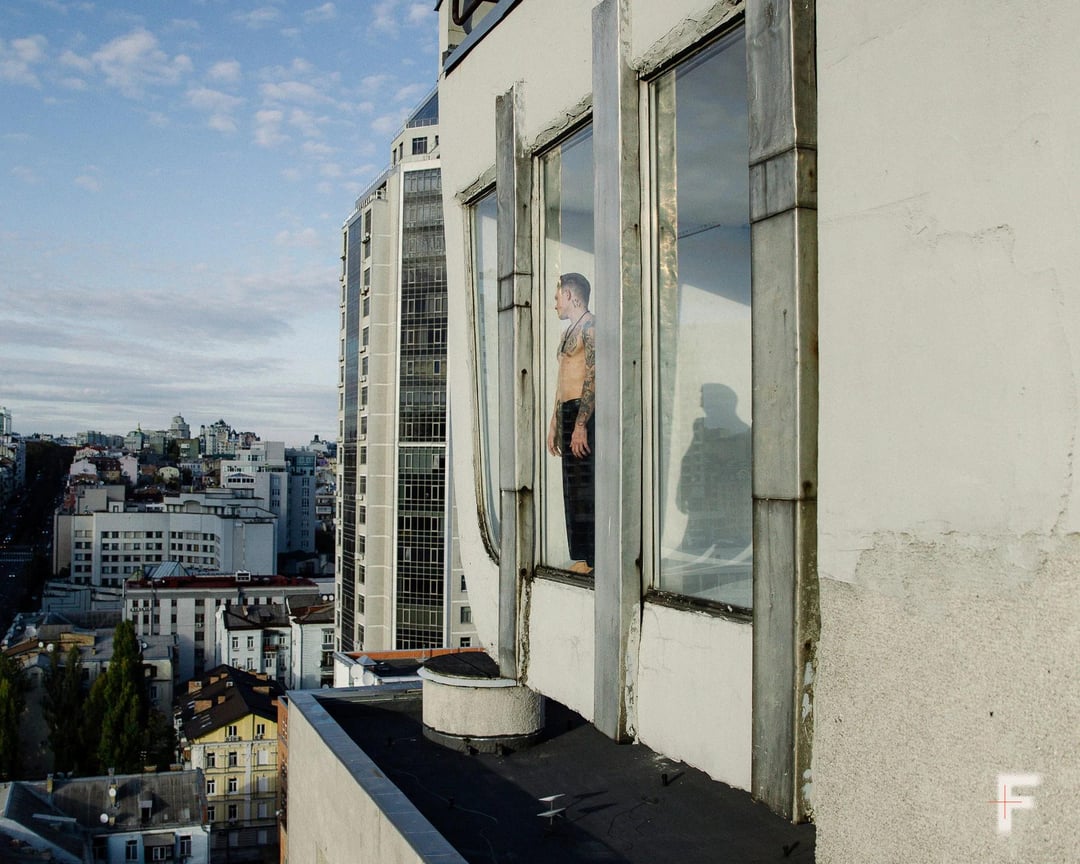
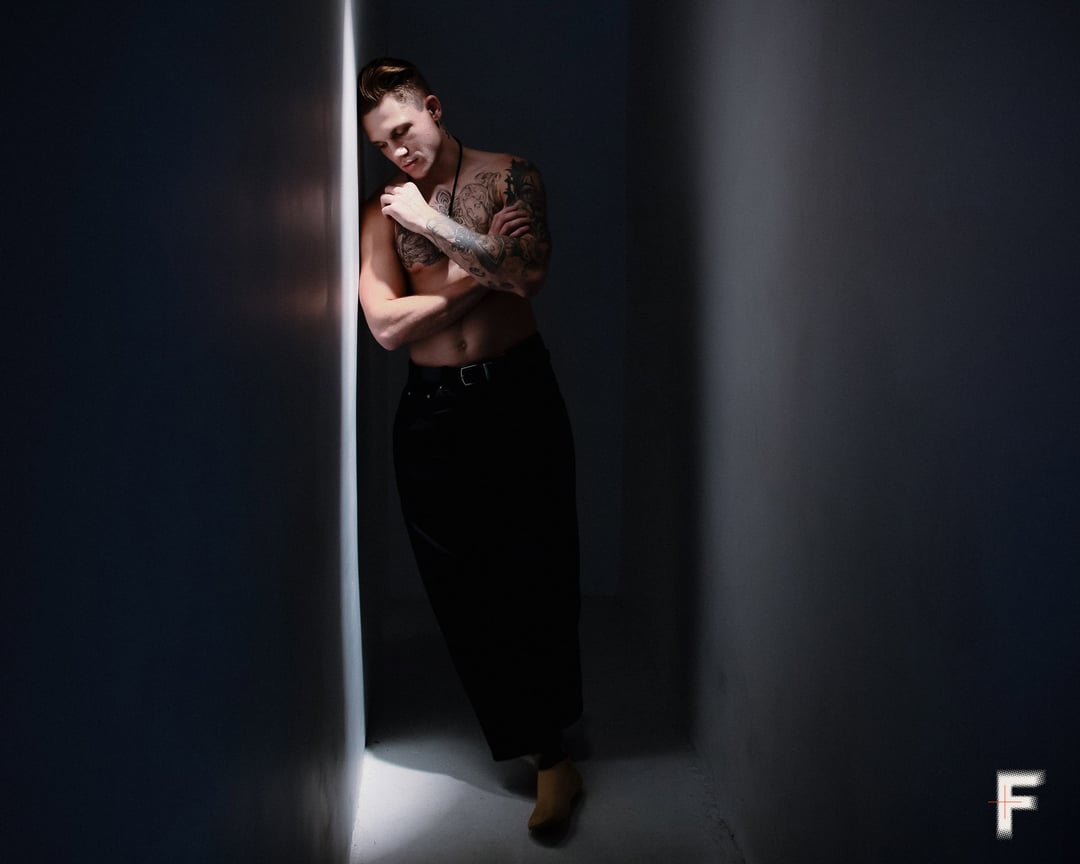
Veteran Dmytro Tereshchenko, once a promising young boxer, is now a model at Ukrainian Fashion Week. After being injured in Luhansk and losing a leg, the former soldier first devoted himself to swimming, and later, due to insufficient funding for veteran sports, became interested in modeling. Today, he takes part in photoshoots and walks the runway showcasing clothing from Ukrainian designers. His ultimate goal is to become part of the global fashion industry. In an interview with Frontliner, the veteran spoke about life after service, embracing his new body, and finding his new path.
**Frontliner: How did you get into modeling?**
Dmytro: It all started in the United States while I was getting fitted for my prosthetic. There was a photoshoot for a foundation, and the photographer said,
“You look very strong on camera.
You should keep going.”
**Frontliner: As a veteran with an amputation who has been in the United States, how would you describe society’s attitude toward you in Ukraine and the USA?**
Dmytro: In the United States, it’s valued. For them, a veteran represents excellence. Your other achievements don’t matter – a veteran is, first and foremost, respected and appreciated. There’s always loyalty and support.
Here, it’s more about pity. Many people live in their own world. It’s normal to have your own problems and deal with them in your own way, especially considering the times we live in. But, for example, if you see someone with a prosthetic or a disability, don’t pity them. Show respect, and first and foremost, ask how you can help. Look around: maybe you can give up your seat on public transport, offer assistance, instead of just pushing past them.
If someone tells you “no,” take it simply as “no.” Not as a harsh or mean-spirited rejection, it is just a “no.” Nothing more.
For example, sometimes someone offers me a seat on public transport. I say “no” because it’s simply uncomfortable for me. They keep insisting that I should sit. Why the fake kindness if it doesn’t actually help me and just drags both of us into a discussion?
**Frontliner: You currently live in Kyiv. How easy is it for you to get around the city?**
Dmytro: It depends on the situation and the location. In winter, for example, if the streets aren’t cleared – and they usually aren’t – I hardly go anywhere, only with a crutch. And even then, many places don’t have ramps. You always need to have a reliable handhold.
**Frontliner: Do you experience PTSD after being in the war?**
Dmytro: Of course. PTSD is one of those things that is always there and it will be. And we need to talk about how hard it is. You have to learn to manage it. You have to get to know yourself. Time alone is meant for discovering your inner world: what you like, what you don’t. Learning to filter your environment as a whole. Understanding what can pull you out of that state, what helps, and what destroys.
**Frontliner: Do you keep in touch with your comrades?**
Dmytro: Yes, but rarely. Most of them are already gone. The hardest part is realizing that, at 22, funerals have become a regular part of life. It’s really tough.
**Frontliner: Is there something you’d like to do after victory? Any particular wish?**
Dmytro: No, there isn’t. I’ll definitely be with my fallen comrades, that’s it. I’ll talk to them. Hopefully, in a physical sense, not just in spirit. I’ll visit them at their graves and sit there with them. Smoke

3 commenti
Veteran Dmytro Tereshchenko, once a promising young boxer, is now a model at Ukrainian Fashion Week. After being injured in Luhansk and losing a leg, the former soldier first devoted himself to swimming, and later, due to insufficient funding for veteran sports, became interested in modeling. Today, he takes part in photoshoots and walks the runway showcasing clothing from Ukrainian designers. His ultimate goal is to become part of the global fashion industry. In an interview with Frontliner, the veteran spoke about life after service, embracing his new body, and finding his new path.
**Frontliner: How did you get into modeling?**
Dmytro: It all started in the United States while I was getting fitted for my prosthetic. There was a photoshoot for a foundation, and the photographer said,
“You look very strong on camera.
You should keep going.”
**Frontliner: As a veteran with an amputation who has been in the United States, how would you describe society’s attitude toward you in Ukraine and the USA?**
Dmytro: In the United States, it’s valued. For them, a veteran represents excellence. Your other achievements don’t matter – a veteran is, first and foremost, respected and appreciated. There’s always loyalty and support.
Here, it’s more about pity. Many people live in their own world. It’s normal to have your own problems and deal with them in your own way, especially considering the times we live in. But, for example, if you see someone with a prosthetic or a disability, don’t pity them. Show respect, and first and foremost, ask how you can help. Look around: maybe you can give up your seat on public transport, offer assistance, instead of just pushing past them.
If someone tells you “no,” take it simply as “no.” Not as a harsh or mean-spirited rejection, it is just a “no.” Nothing more.
For example, sometimes someone offers me a seat on public transport. I say “no” because it’s simply uncomfortable for me. They keep insisting that I should sit. Why the fake kindness if it doesn’t actually help me and just drags both of us into a discussion?
**Frontliner: You currently live in Kyiv. How easy is it for you to get around the city?**
Dmytro: It depends on the situation and the location. In winter, for example, if the streets aren’t cleared – and they usually aren’t – I hardly go anywhere, only with a crutch. And even then, many places don’t have ramps. You always need to have a reliable handhold.
**Frontliner: Do you experience PTSD after being in the war?**
Dmytro: Of course. PTSD is one of those things that is always there and it will be. And we need to talk about how hard it is. You have to learn to manage it. You have to get to know yourself. Time alone is meant for discovering your inner world: what you like, what you don’t. Learning to filter your environment as a whole. Understanding what can pull you out of that state, what helps, and what destroys.
**Frontliner: Do you keep in touch with your comrades?**
Dmytro: Yes, but rarely. Most of them are already gone. The hardest part is realizing that, at 22, funerals have become a regular part of life. It’s really tough.
**Frontliner: Is there something you’d like to do after victory? Any particular wish?**
Dmytro: No, there isn’t. I’ll definitely be with my fallen comrades, that’s it. I’ll talk to them. Hopefully, in a physical sense, not just in spirit. I’ll visit them at their graves and sit there with them. Smoke
Read the article here:
[https://frontliner.ua/en/where-lives-are-saved-a-stabilization-point-in-the-donetsk-region/](https://frontliner.ua/en/where-lives-are-saved-a-stabilization-point-in-the-donetsk-region/)
Text: Olena Maksymenko
Photos: Marharyta Fal
Awesome pics, he is very photogenic.
#4 looks very interesting