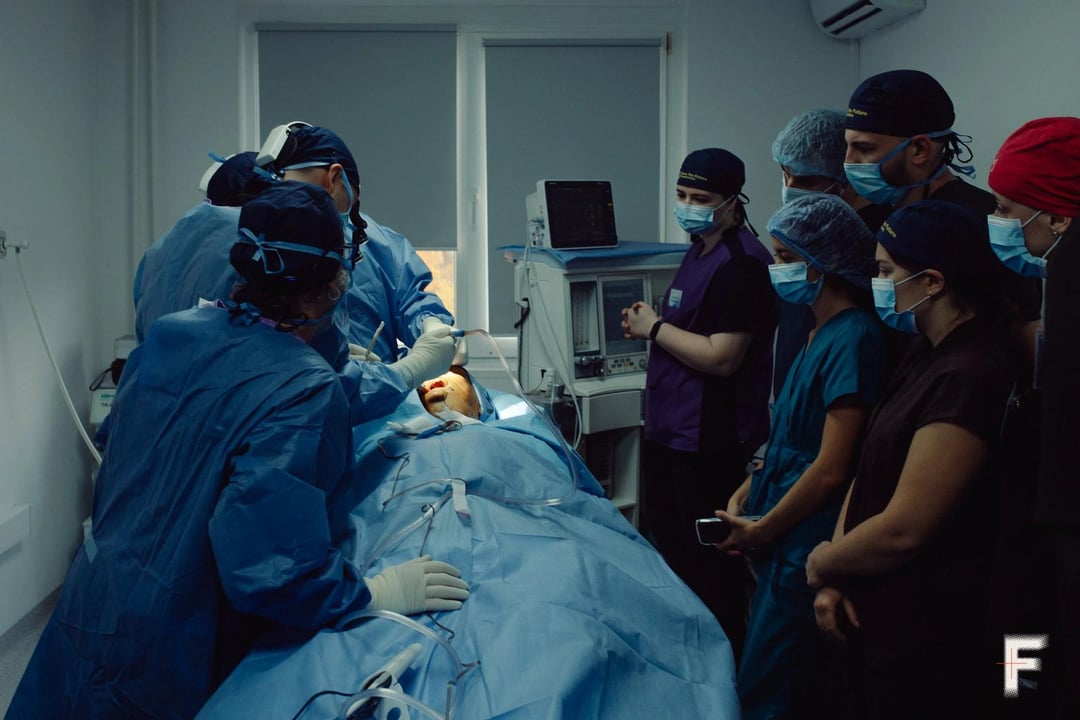
Il sole è tramontato su Kiev nel 1376° giorno dell’invasione su vasta scala. Di fronte al futuro: un team internazionale di chirurghi salva i volti dei soldati
https://www.reddit.com/gallery/1parrzb
di frontliner_ukraine

Il sole è tramontato su Kiev nel 1376° giorno dell’invasione su vasta scala. Di fronte al futuro: un team internazionale di chirurghi salva i volti dei soldati
https://www.reddit.com/gallery/1parrzb
di frontliner_ukraine
3 commenti
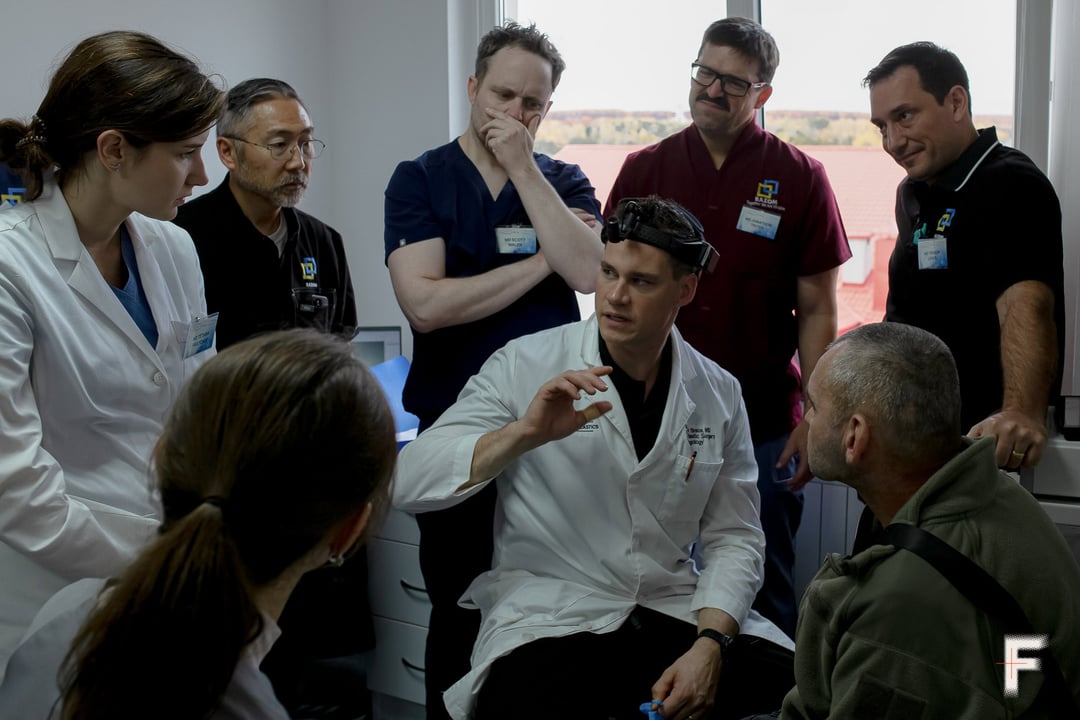
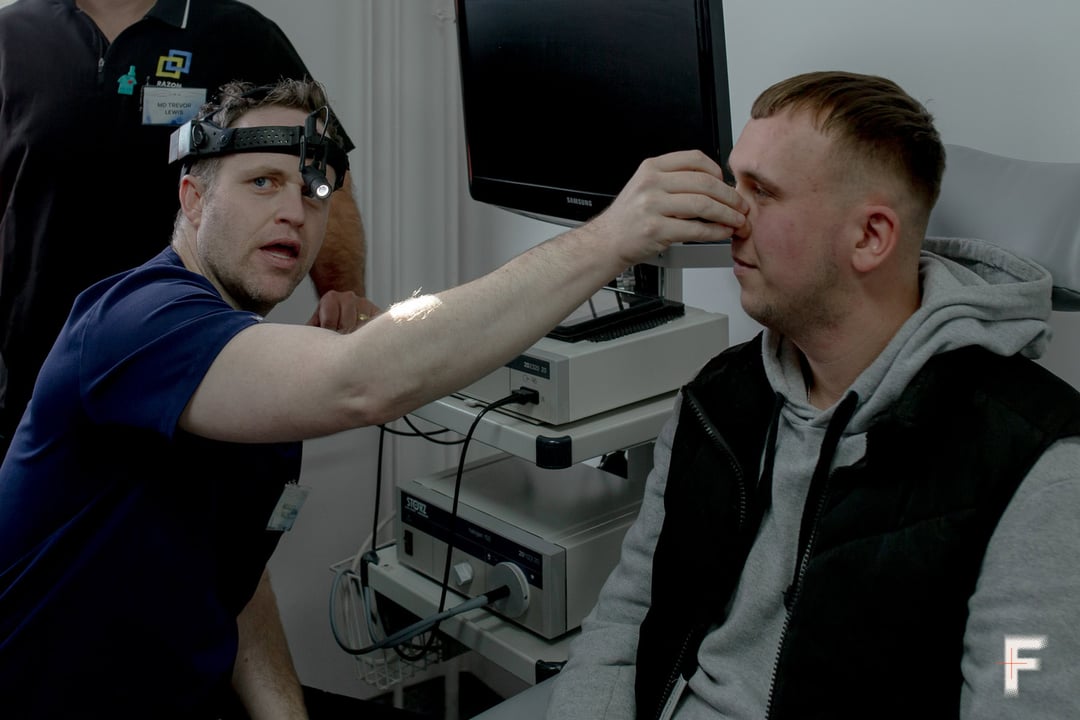
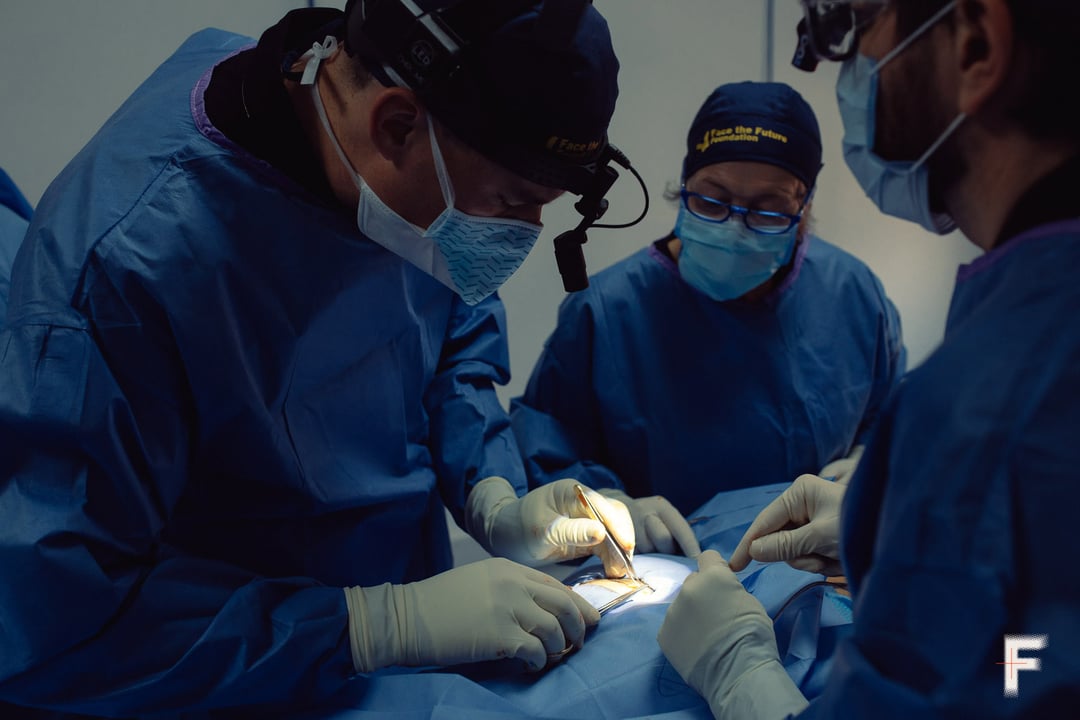
Surgeons from the US and Canada came to Ukraine to work alongside their Ukrainian colleagues, operating on soldiers with severe facial injuries. Over five days, surgeons perform thirty procedures on people injured in the war. This Frontliner article explores how surgeons are restoring the appearance and function of their faces.
**The story behind the face the future mission**
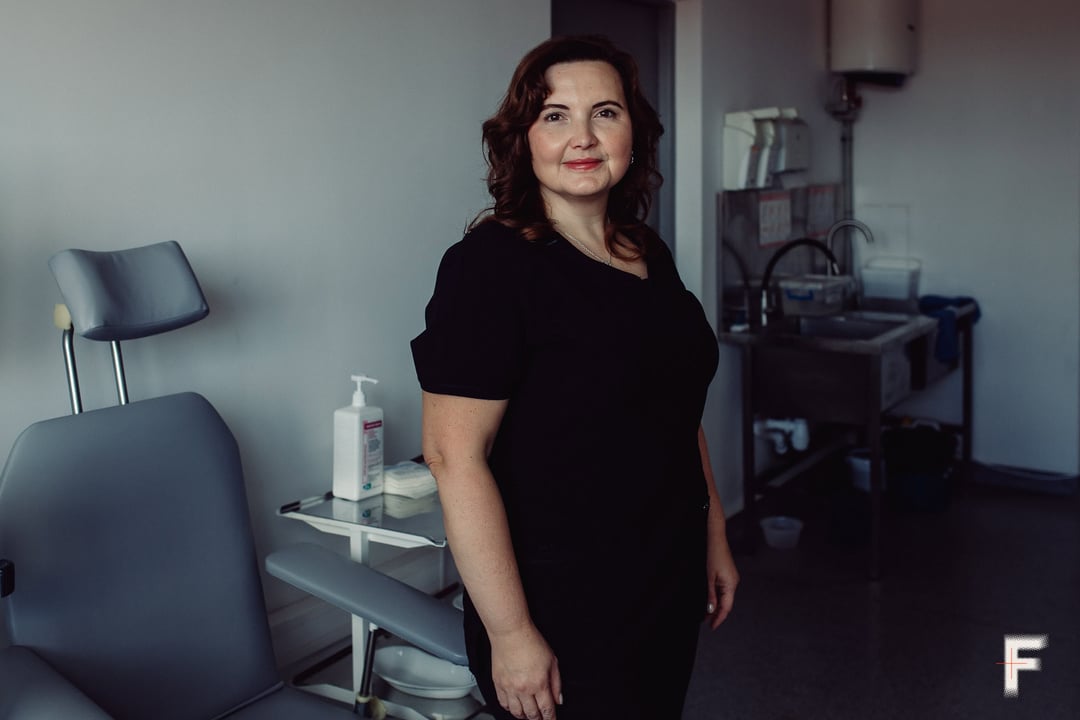
Foreign surgeons came to Ukraine for the first time in September 2022, in Lviv. At that time, the initiative was known as the Face to Face mission. Back then, Natalia Komashko, an otolaryngologist at the Ivano-Frankivsk Clinical Hospital and head of the mission, didn’t know if everything would fall into place. Early on, having no prior experience made it hard to get the process underway – the doctors didn’t know one another, were unclear about the types of injuries, and weren’t certain they could handle the workload.
>“My brother played a big role here. He volunteered from the very beginning. I had doubts whether to take it on [the mission] or not. He said, ‘Look, Natalia, it could be me.’ That was the deciding factor,” says Komashko.
During that mission, 35 people underwent surgery, and once the initiative ended, new patients began applying in large numbers. The team organized the data, consulted with colleagues, and developed treatment plans.
**Who takes part in the missions**
Even on their sixth mission to Ukraine, the surgeons have plenty of work to do. As patient numbers rise, it becomes essential to pass on skills and experience, enabling Ukrainian surgeons to carry out facial reconstructions themselves.
“It was important not to keep this knowledge confined to a single hospital. That’s why we invited colleagues from Odesa and Kyiv who expressed interest to join the mission,” says Natalia Komashko.
Working with additional hospitals has not only brought more doctors into the mission but also made treatment more accessible for patients, who no longer have to travel only to Ivano-Frankivsk. Collaboration between hospitals in different cities also allows for the exchange of experience and ensures that work can continue even when American specialists are not present.
**Exchange of experience and training**
The mission has become a hub for exchanging experience. Ukrainian doctors specialize in injuries from mines and explosions, whereas American and Canadian surgeons have experience with injuries from vehicle accidents and extensive knowledge of reconstructive surgery. Doctors work together, observing each other’s techniques. and performing complex, multi-stage operations. They can perform complex, multi-stage operations and work on cases that would be impossible to handle separately.
Text: Yuliia Huz
Photos: Anna Zubenko.
We invite you to share our work, provided it is not for commercial purposes. For further information and collaboration opportunities, please send us an email [info@frontliner.ua](mailto:info@frontliner.ua)
GOD BLESS THEM AND THEIR PATIENTS!
Bless ‘em