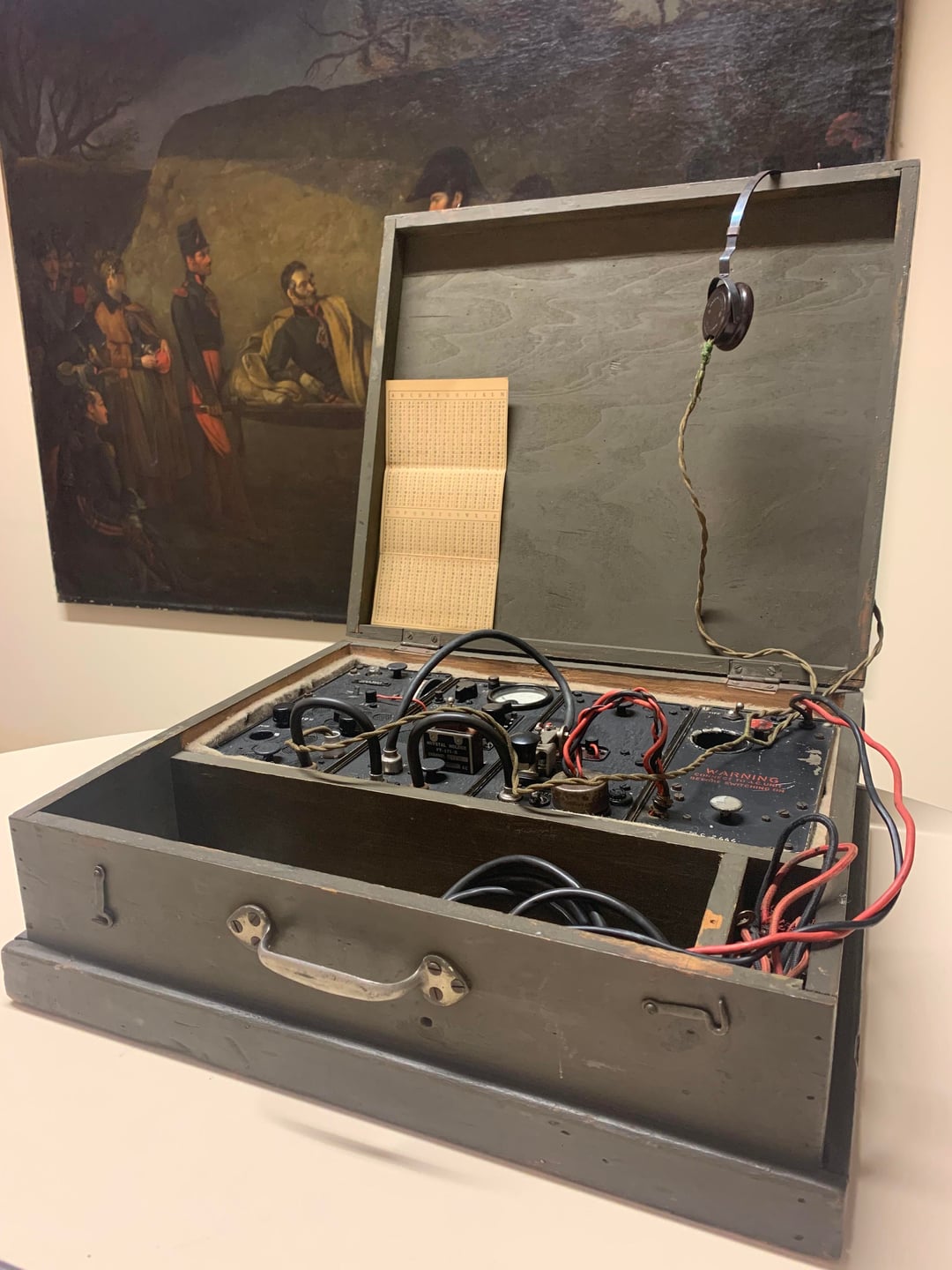
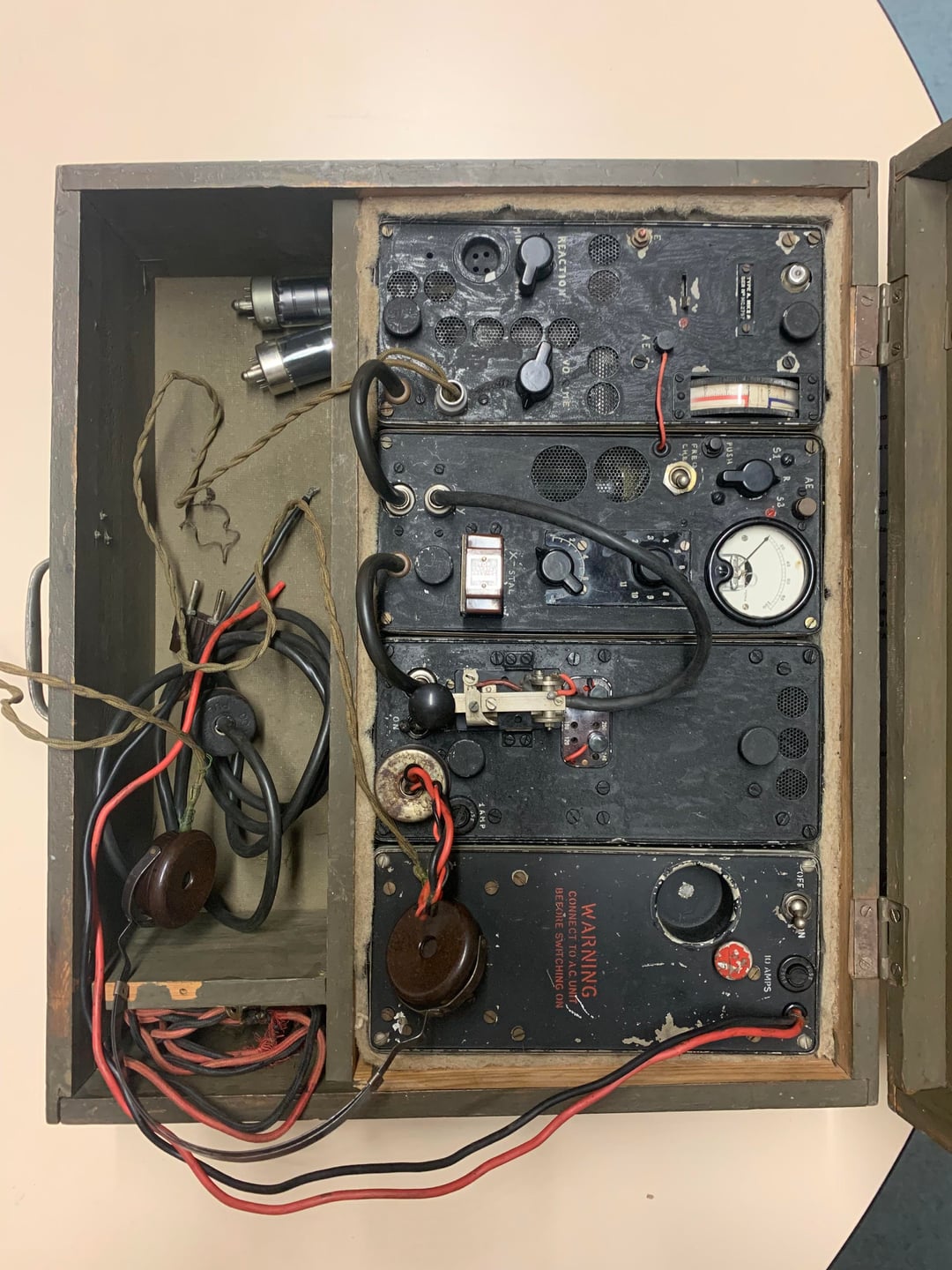
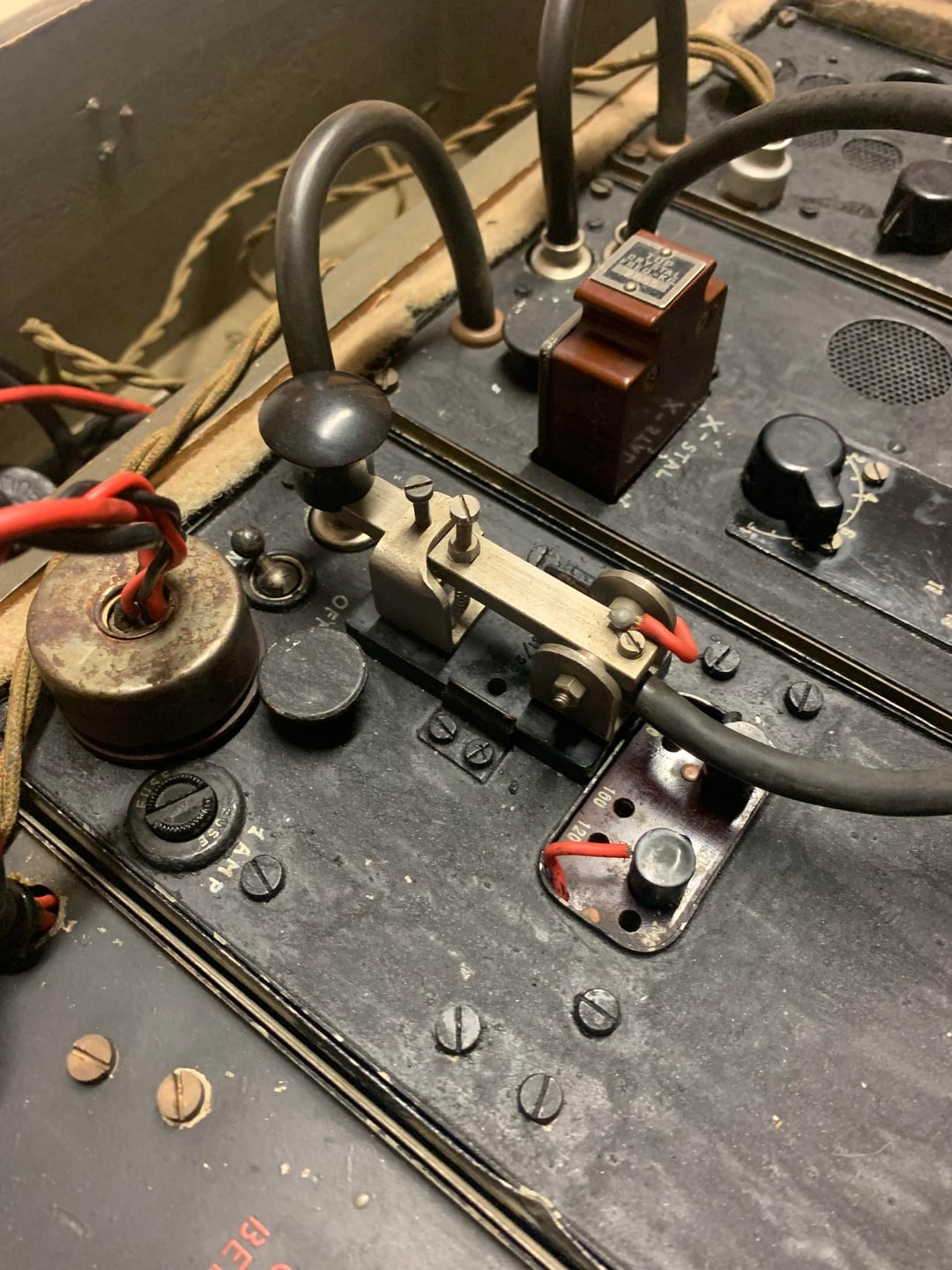
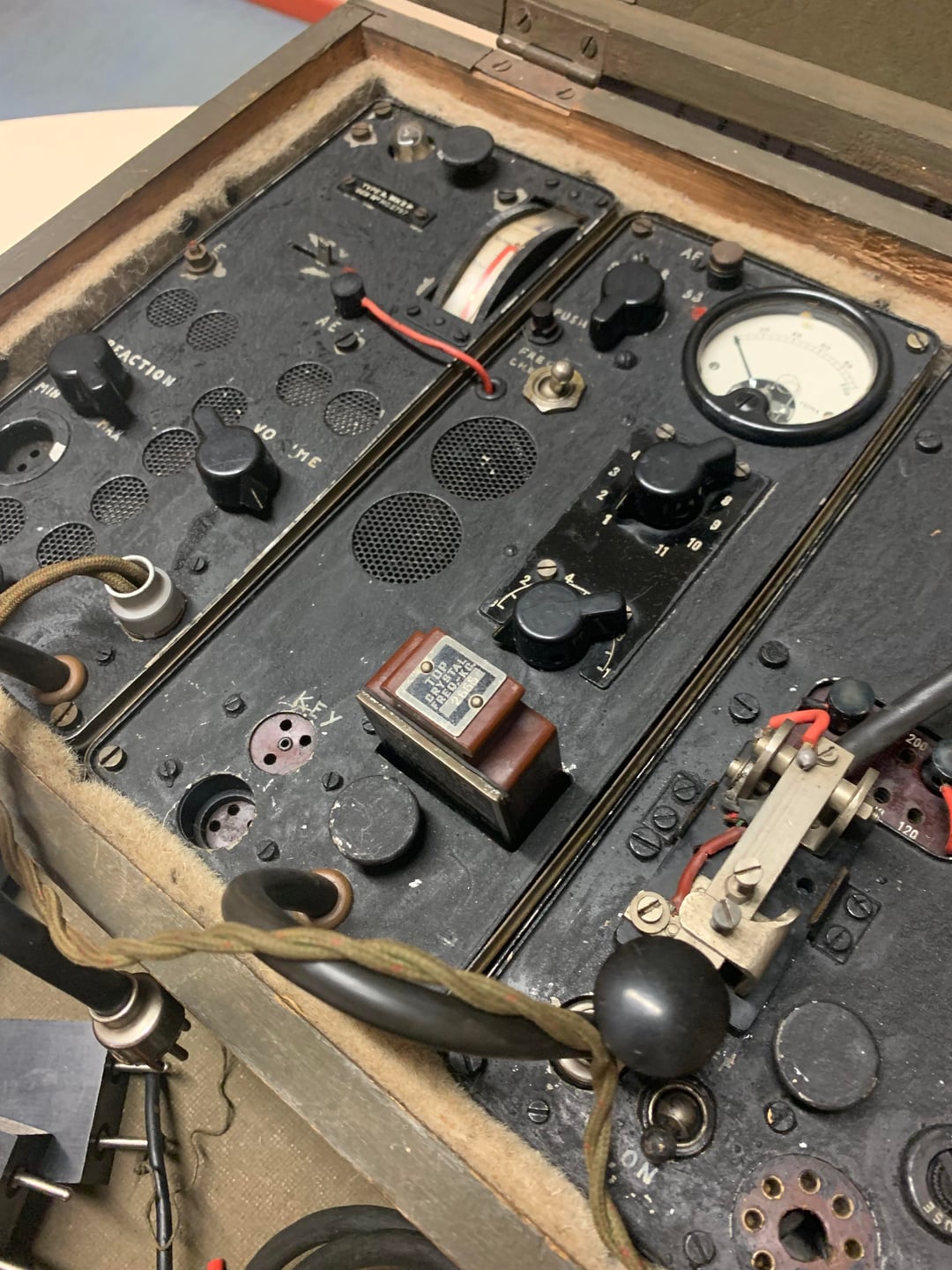
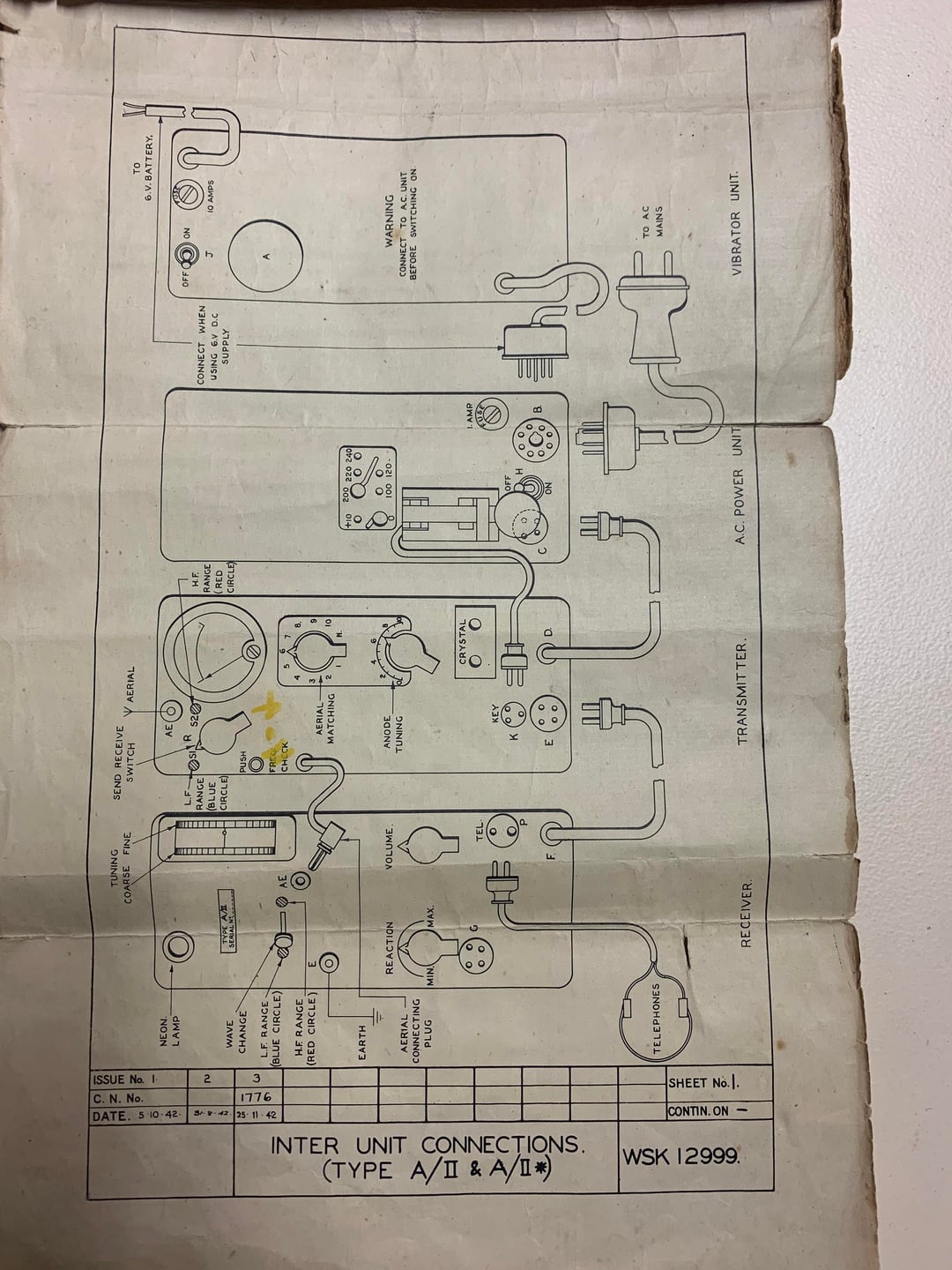
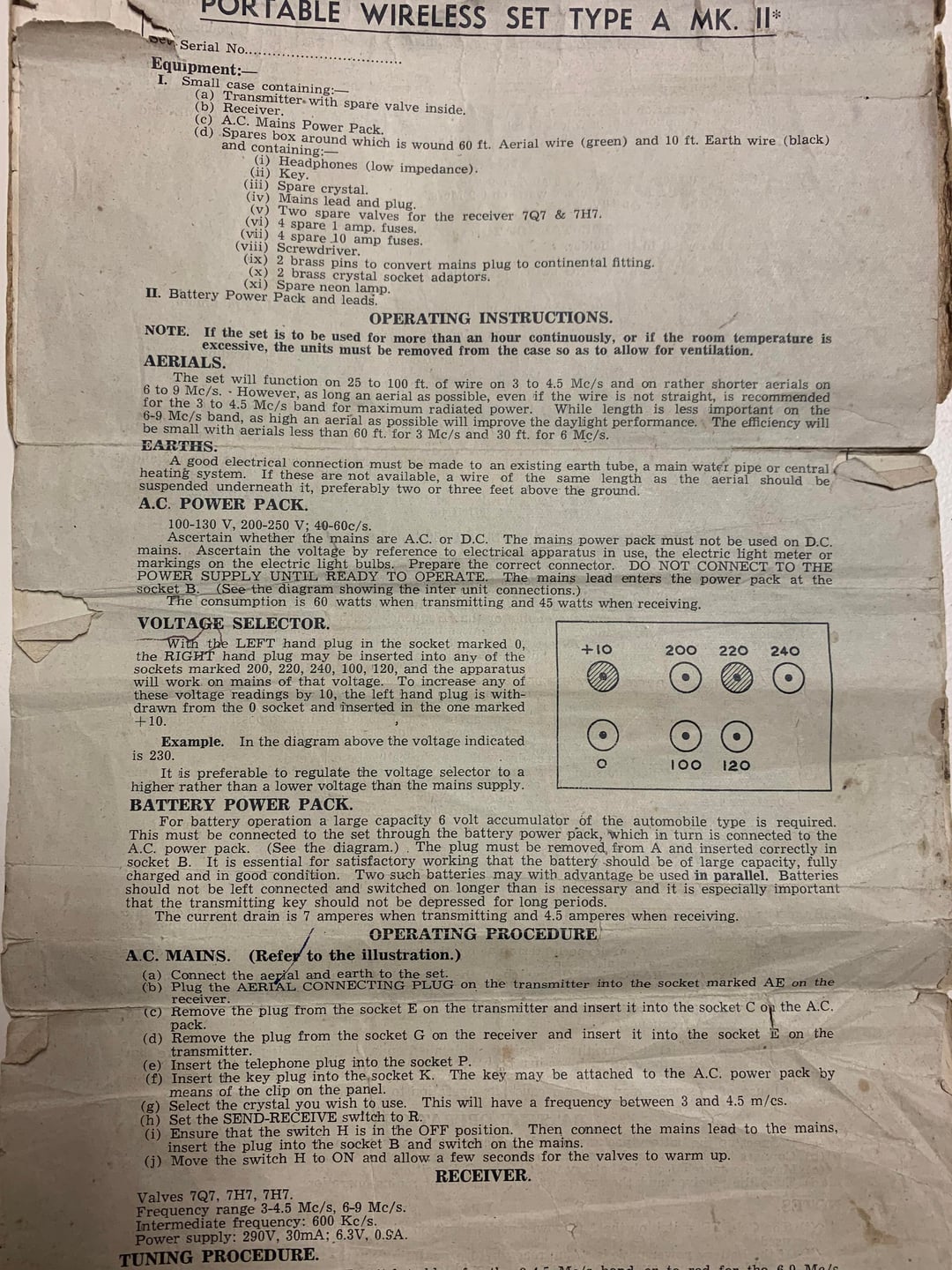
In onore della Giornata mondiale della radio, abbiamo approfondito la nostra collezione per scoprire un oggetto con una straordinaria storia di resistenza.
https://www.reddit.com/gallery/1r3n7rx
di WarHeritageInstitute

In onore della Giornata mondiale della radio, abbiamo approfondito la nostra collezione per scoprire un oggetto con una straordinaria storia di resistenza.
https://www.reddit.com/gallery/1r3n7rx
di WarHeritageInstitute
4 commenti
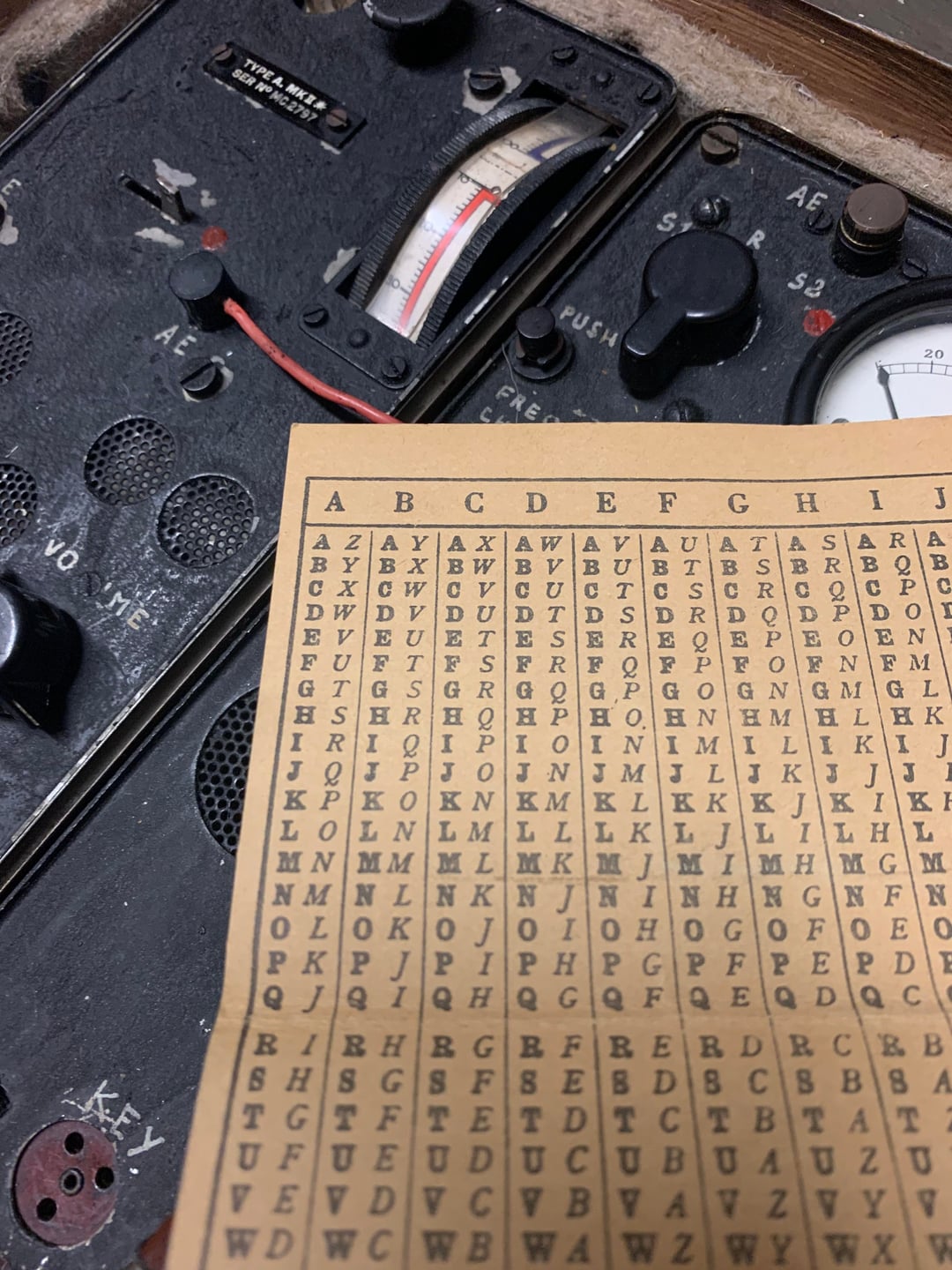
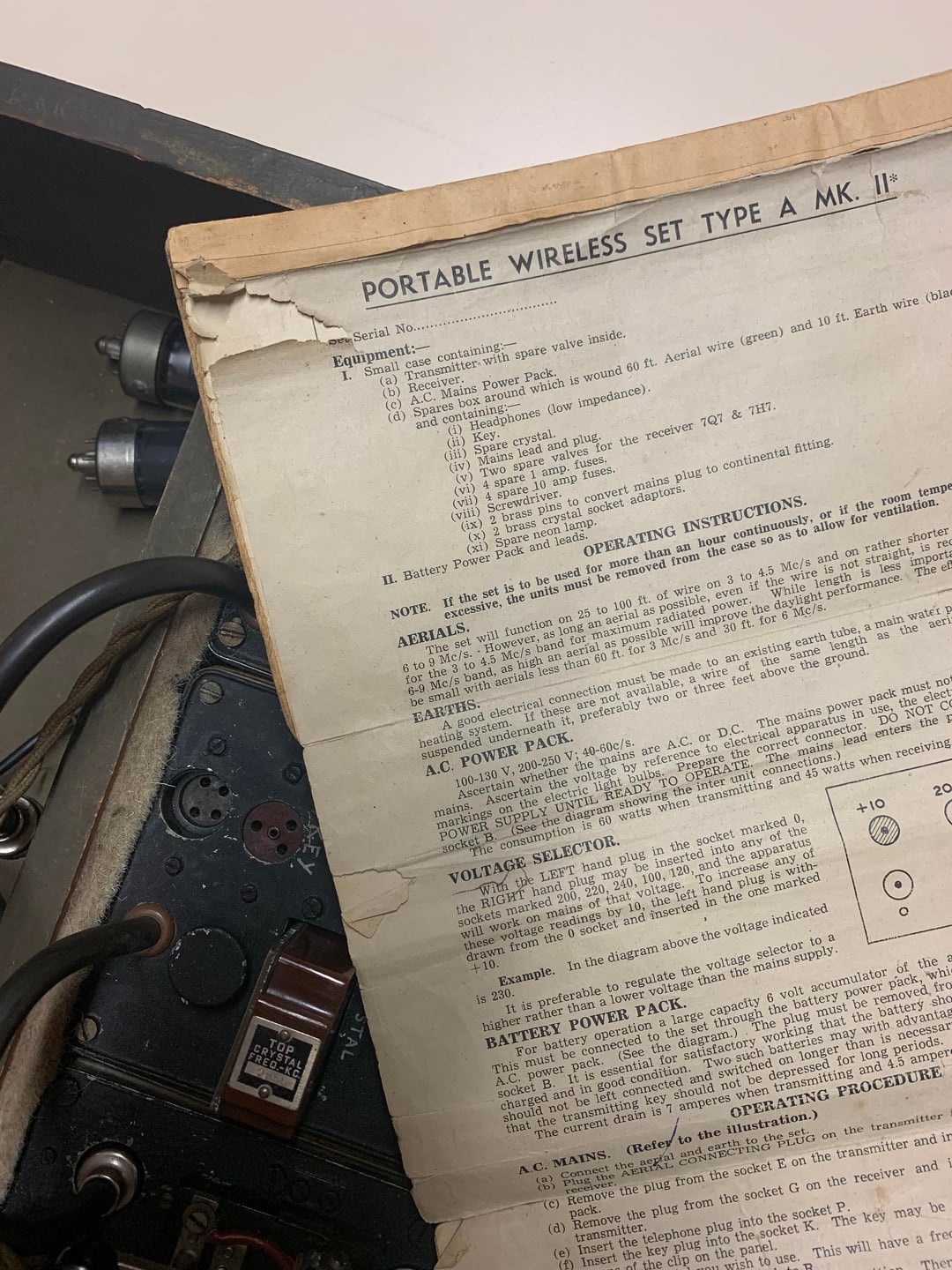
The A MK II* was designed during WWII for the British Special Operations Executive (SOE), a secret organisation carrying out sabotage missions behind enemy line . With a range of up to 800 km, it could send and receive coded messages, crucial intelligence for the Allied forces.
This particular set was deployed in Plaine Sapin, on the border of the provinces of Namur, Liège and Luxembourg. After Belgium’s capitulation on 28 May 1940, some of the first resistance groups emerged here. They not only passed on intelligence about German activities, but also received and distributed weapons, explosives and personnel across various resistance network.
On 1 September 1944, members of the Special Air Service (SAS) were parachuted into Plaine Sapin, using this radio to coordinate their mission. Their objective? To assess the local resistance in preparation of a large-scale airborne operation in southern Belgium.
Want to explore even more incredible stories? In our extensive collection of historic radio equipment, you’ll find many more impressive devices like this.
Bonsin
Isn’t that a sort of tabula recta for a [https://en.wikipedia.org/wiki/Vigen%C3%A8re_cipher](https://en.wikipedia.org/wiki/Vigen%C3%A8re_cipher)?
It’s crazy to think that these days we can send encrypted videos through our phone. Back in those days you needed a suitcase just so you could send a beep to the neighboring country