
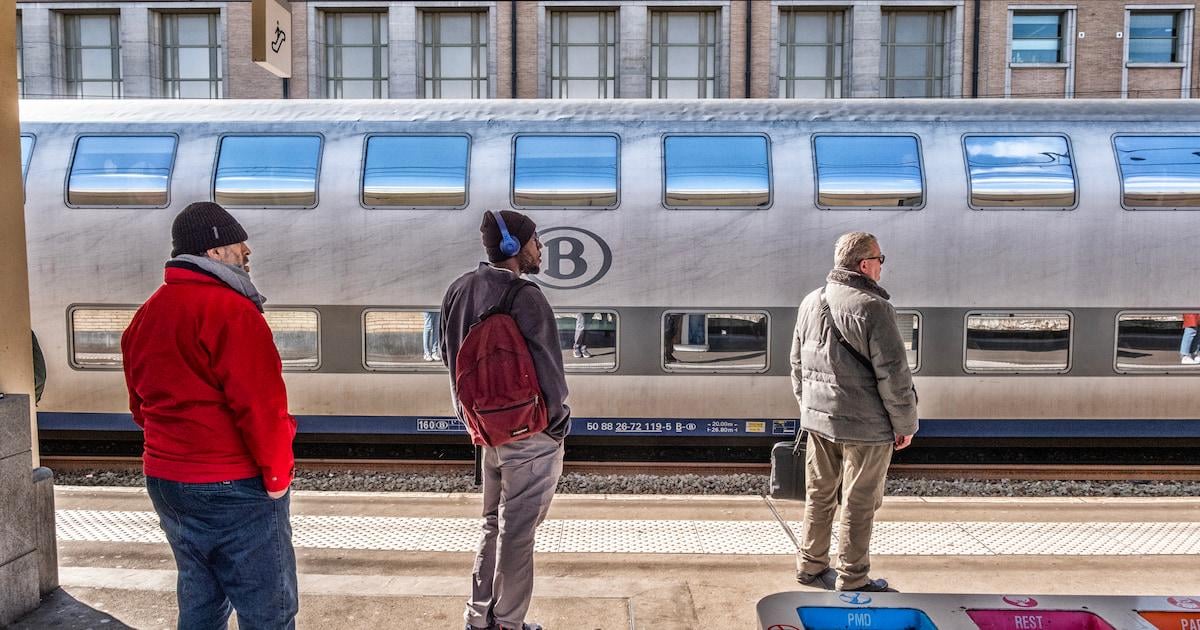
Ho appena letto Questo articolo In La mattina di Ann De Bloeck sull’apertura delle ferrovie belghe a una maggiore concorrenza nel 2033. Dipinge un quadro piuttosto ottimista, con biglietti più economici, Wi-Fi a bordo e un migliore servizio clienti, menzionando anche brevemente alcuni rischi. Leggerlo mi ha fatto pensare a come riforme simili siano state attuate in Norvegia, da dove provengo, e ho pensato che la prospettiva potesse essere interessante qui.
Avevamo una compagnia ferroviaria nazionale, la NSB, che gestiva tutto: treni passeggeri, merci, infrastrutture, segnalamento, l’intero sistema. Poi è arrivata la liberalizzazione e le cose si sono gradualmente divise. La Cargo divenne un’azienda separata, le infrastrutture e la segnalamento furono separate e le diverse parti finirono con proprietari diversi. Alla fine della struttura originaria non è rimasto molto, ad eccezione dei servizi passeggeri.
Tanto per cominciare, la Norvegia non dispone di un’enorme rete ferroviaria. Ci sono circa otto linee principali e alcune locali intorno alle città più grandi. La maggior parte delle linee non sono mai state veramente redditizie perché è un paese grande e scarsamente popolato. Prima questo non era considerato un problema perché lo Stato copriva le perdite per mantenere il servizio. L’obiettivo era la connettività, non il profitto.
Dopo la liberalizzazione le restanti linee passeggeri sono state messe a gara. Diverse società potrebbero fare un’offerta per gestirli. Ma i treni non sono come gli autobus o i taxi; dipendono da un complesso sistema di infrastrutture, materiale rotabile e pianificazione a lungo termine. Gli orari vengono stabiliti con largo anticipo e tutto deve combaciare. Quando dividi il sistema tra più attori, le cose diventano caotiche.
In realtà mi sono trasferito in Belgio proprio mentre questi cambiamenti stavano avvenendo a casa, quindi sono passato più o meno direttamente da NSB a NMBS. NMBS non è perfetto, ma funziona ed è generalmente affidabile. Nel frattempo, in Norvegia si sono verificati alcuni problemi evidenti. Lo scorso inverno i notiziari norvegesi hanno annunciato che SJ (Ferrovie svedesi), l’operatore della Nordland Line tra Trondheim e Bodø, aveva una grave carenza di locomotive. Stavano noleggiando il vecchio materiale rotabile della NSB (anni ’80) dalla Norske Tog AS, ma nessuno acquistava nuovi treni. È brutto quando sei senza treni, è peggio quando devi spedire un treno del museo, solo per farlo funzionare.
Nel Sud, dove ci sono le tratte più redditizie, i problemi riguardano meno i treni e più le infrastrutture. Poiché il sistema è frazionato, le società che possiedono i binari non sono le stesse che gestiscono i treni o gestiscono la segnaletica. La segnaletica spesso non funziona o è difettosa, il che porta ancora una volta a ritardi e disagi, soprattutto intorno a Oslo, dove ai passeggeri viene spesso detto di aspettarsi tempi di viaggio più lunghi.
Molte persone in patria iniziano ad avere nostalgia dei vecchi tempi. Non perché tutto fosse perfetto, ma perché era affidabile. C’è sempre un treno, dicevamo. Le partenze erano più frequenti, i biglietti a lunga percorrenza erano più economici e c’erano meno compagnie di cui tenere conto.
Non dico che la concorrenza non possa portare miglioramenti, ma le ferrovie non sono mercati aperti. Fanno così tanto affidamento sul coordinamento e sulle infrastrutture, che dividere tutto e vendere a scopo di lucro può creare nuovi problemi invece di risolvere quelli vecchi.
Sono curioso di sapere cosa pensano le persone qui a riguardo. Sareste favorevoli ad una maggiore concorrenza sulle ferrovie belghe o pensate che il sistema attuale abbia i suoi vantaggi?
Belgian rail liberalisation — a Norwegian perspective
byu/Aggressive-Tomato-27 inbelgium
di Aggressive-Tomato-27
20 commenti
I think it’s a way to find money for the current government, on the back of future generations. As were most liberalizations of state owned infrastructure in the past.
Then they can say ‘we did so well with the budget’ and start complaining about the others who are ruining trains and housing.
I mean I’m pretty confident public transport in general – as most public services – has been deliberately sabotaged from above for decades now. All so it can eventually be privatized and join the ever growing katamari ball of enshittification that’s consuming our lives. Which not entirely coincidentally coincides with the katamari ball of wealth being concentrated in fewer hands. Okay, okay sure. Not all of it is for that purpose. I mean I’m pretty sure when the completely overstressed tram lines in Borgerhout were downgraded even more it was at least 30% just good old N-VA racism. Anyways I can’t wait for privatizing to “improve” my train traveling experience like it has in the UK for instance, where at some point people were taking charter flights to Berlin and back to the UK because it turned out to be cheaper than a train ticket.
yes lets make very expensive trains like in the UK fuck the poors /s
Just look at how well that worked for the UK.
It’s the classic accounting trick of belgian authorities: they sell something for cheaper than its value to one of their businessman friend so they have a good balance sheet at the end of the year, then they end up renting the shit they sold for the rest of our lives and the benefits are lost within a couple of years.
It’s called the Reynders tour de force
One of the worst decisions of the EU.
the main issue is breaking the power of public sector unions and putting public sector pension conditions on the same level as everyone else. whether the service is provided public or private is really an edge issue in this as you say monopolistic market, germany and britain provide counterexamples to both
I think it’s an absolute disgrace that N-VA has been trying to privatize public transportation. Imo trains and buses are a public service, not something that should de-facto make a profit like a regular company would. Privatization has only downsides for us plebs. I see that it’s a way for the government to cut spending, while at the same time making some investor / rich friends happy.
But it’s cutting spending, in a place which has a much larger impact on other societal factors than just a simple cost cut. I mean it’s literally a means of transportation to their workplace for so many. It’s a means of cutting down on traffic too, and a means of ecological transport.
This is just the Belgian way, we are always behind, so the neoliberal concept of liberating *public* transport (it’s in the name that it is public, why the dogma to make it private?) we didn’t try out ourselves.
You’d think we learn from the mistakes others make, but we think we can make the mistakes better ourselves…
there are several ways to privatise a railroad.
A good way (switzerland) and a bad way (UK).
Knowing Belgian politics how do you think things will go?
relevant:
[https://fullfact.org/economy/how-much-does-government-subsidise-railways/](https://fullfact.org/economy/how-much-does-government-subsidise-railways/)
since privatisation government subsidies for the railroad **tripled** in England, and fares increased by 20%. this is taking into account inflation (so its on top of that). Anyone claiming it will be “cheaper” for either the government or the user is just blatantly lying. Selling of NMBS assets will just generate a short term profit, after which the tax-payer will have to fork over the money for all eternity. (and several NVA politicians are set for life, which is all that matters to them).
We also have one of the densest railways in the world, which makes it extremely hard to privatize (since private companies usually only want what is profitable, and we have alot of unprofitable smaller lines).
Its generally a very bad idea to compare Norwegian and Belgian railways.
In Norway there is aprox. 10 meter track/square km , in Belgium aprox. 120 meter track/square km.
The day SNCB/NMBS is no more, I’m no longer belgian. It’s already expensive as hell, for some overused routes like Liège-Bruxelles. Thanks to the blue basterds, running the country like engineers but with none of the brains or the background behind them. Yes, let’s buy some more useless F-35, it sure will benefit the people.
just look at the state of the dutch railways; they have been privatised, but because they effectively have the monopoly, they now have to make profit and do the maintenance on the infrastructure without the government fincanicial support, resulting in tickets that are way more expensive: €50 for a round trip from Weert to Utrecht is diabolical.
Safe to say privatization is not a good idea for the NMBS
I don’t think many people want privatization or think privatization of public transport is a good idea. But for most people it’s not a top 5 issue.
As long as left leaning political parties keep digging their heads in the sand on core issues (immigration, balancing the budget WITHOUT raising more taxes on the middle class, etc…) they will not convince the general public to vote for them on less important topics like these.
Like I would love for public transport to stay in the hands of the government, but if I have to vote in a PVDA/PTB/groen/ecolo/vooruit/PS government for that to happen I’d rather just buy an electric car.
I agree with you. Public transport in my opinion should be a service by the government to its people, and not managed by privatized companies. Worse examples are visible in the UK and in the Netherlands at this moment, where prices are higher or even unaffordable. In Belgium, prices are still comparably low for public transport and even in that case, they are already high compared to alternative transport methods (car being the main one)
I believe this should be a combined story. Private players should be allowed to add services within the framework, but decent minimum of service and a basic level of route infrastructure should be guaranteed by the government at affordable rates. Rates should be capped at certain levels and there should be quota on executing a sufficient number of legs so this remains a service to the people. It should not go at the expense of routes and connectivity given away to private companies who can later cancel them at a whim or continuously elevate rates for corporate gains.
The cancellation of routes is something we are already seeing happening lately with our bus companies, who are being held more accountable by the government as if they were to be self sustainable companies. Of course this is somewhat understandable if they consider demand and supply, but connectivity should be an equally relevant factor and operations at a loss are sometimes unavoidable in those circumstances.
Privatization of a public good is a guaranteed path to enshittification.
There isn’t a single example of privatization of public transport that has lead to better outcomes for consumers
If you want public transport that covers as much as possible, it needs to be state operated. And yes, it will keep being a moneysink and have troubles inherent to state owned businesses. And while it will not be as efficiënt as of it were privately owned, it doesn’t need to be. It’s a public service, not a moneymaking company.
The same goes for elderly homes btw.
And I am a vehement liberal who thinks the state should do as little as possible, these however, are exceptions.
It’s difficult to tell anything about how liberalization of the railway companies will play out in Belgium if our government doesn’t really have a plan for how our railways should work in a liberalized context, except for that the nmbs/sncb should die. Our current government seem to think public transport is a necessary evil that only poor people without a company car have to use and which costs the tax payer way too much money, and free market can fix everything, but they don’t have any idea about how it should do that and they’re not having any discussions about it either. If it’s not well regulated things will become pretty bad (pricing and service), but I think that’s what N-VA really wants.
> onboard Wi-Fi
Why would they assume competitors would add it?
Trains are inherently monopolistic. You cant really have 2 trains on the same tracks. You also do not want a multitude of tracks just for competing companies to run side by side.
The benefit of competition is absent so the potential benefits of privatisation is unclear to me, besides some money in some pockets
The good thing about the privatisation here in Belgium is that the rail operator will stay nationalised, so infrastructure problems shouldn’t be an issue. The bad news is indeed reliability for the travellers. We’ll probably move to a system where companies will bid the government for certain time slots (for example: 7:27 direct route Ghent to Brussels) and the highest bidder gets to run a train on that slot. Obviously for a very profitable train like the example given, lots of people will bid and the price goes up, and so will your ticket price. Then there’s the non profitable lines. Some of them will be profitable during rush hour and have plenty of service then, but during the day or late night trains will be less frequent or won’t even run at all since there is no point for companies to run a train that carries 30 travellers.Bought a ticket for a train that got cancelled? Tough luck, new ticket it is. Missed your daily train because of traffic to the station? Tough luck, new ticket. The only upside is that the government has to spend less on the NMBS and everyone’s taxes will go down a couple euro’s, but take a train a couple times a year and you’ll be paying more