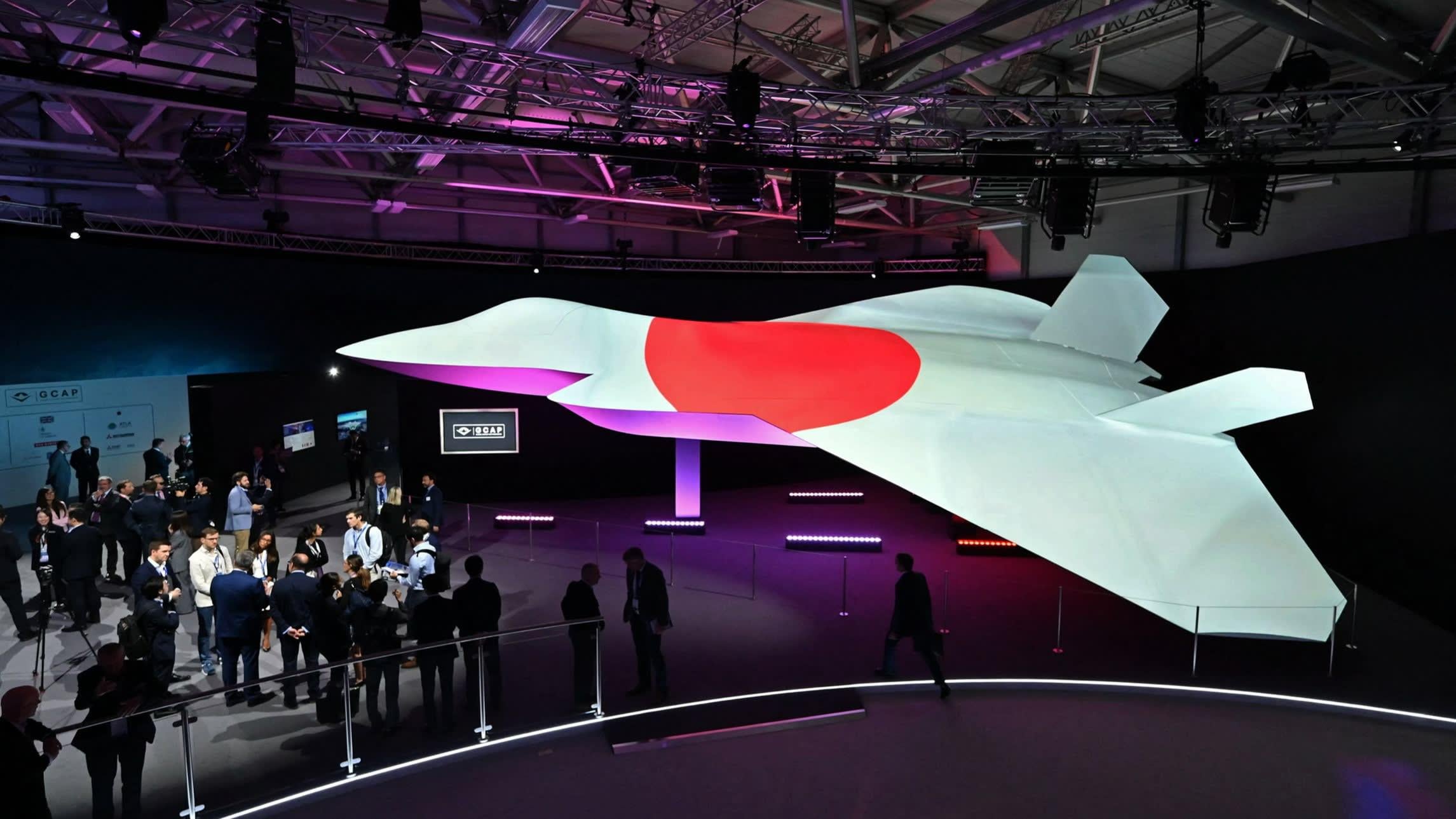
Il Giappone lancia l’allarme per i ritardi del Regno Unito nella lotta al progetto aereo
https://www.ft.com/content/c3de1d53-4aa8-4e11-87b1-409172bdc3ef?syn-25a6b1a6=1
di SraminiElMejorBeaver

Il Giappone lancia l’allarme per i ritardi del Regno Unito nella lotta al progetto aereo
https://www.ft.com/content/c3de1d53-4aa8-4e11-87b1-409172bdc3ef?syn-25a6b1a6=1
di SraminiElMejorBeaver
3 commenti
>Tokyo frustrated by funding hold-ups that are preventing the signing of a development contract
>Japan is growing increasingly doubtful about the UK’s commitment to their joint fighter development programme with Italy, with crucial development work stalled by British budgetary foot-dragging.
>The Global Combat Air Programme (GCAP), which aims to put next-generation fighters in the skies by 2035, is a landmark effort by Japan, the UK and Italy to challenge US dominance in military technology.
>But a series of delays to the UK’s defence investment plan is preventing the signing of a vital contract for design and development work with Edgewing, the commercial joint venture between the three nations’ leading defence contractors.
>“Frankly speaking, it’s a terrible situation,” said one person involved in GCAP, referring to the hold-up of project work caused by the UK.
>A second person involved acknowledged there was a sense of “growing frustration” on the part of Japan.
>In addition to funding questions, two people familiar with the matter also suggested the two capitals had different priorities for the programme.
>Tokyo’s main aim is to produce a new fighter by the mid-2030s, whereas London and Rome are more interested in GCAP producing a cutting-edge “system of systems” — a jet that operates in concert with a swarm of drones — over a less rigid timetable, one of the people said.
>One of them added that this could leave the UK “tempted” to try to slow the timetable to make it more affordable in the short term.
>The friction between the governments comes at a time when anxieties are rising about global security because of the war in the Middle East and an unpredictable US under the Trump administration that has urged its Nato allies to do more to defend themselves.
>GCAP was intended to create a successor to the current generation of jets flown by the three nations, helping to reduce reliance on more advanced F-35 fighters supplied by the US, which are a mainstay for Nato air forces.
>The UK had initially planned to publish the 10-year defence investment plan in autumn 2025, but this has been repeatedly postponed because of fiscal constraints with a funding gap identified of up to £28bn over a decade, according to officials.
>At the start of this year, Italy estimated that its share of the design and development phase would cost €18.6bn, triple its previous forecast. Last month, Rome approved a budget that included an €8.8bn tranche of funding for the programme.
>Japan’s deepening worries over the delays to the UK’s defence spending plans and whether GCAP’s funding requirements will be ringfenced have been expressed at ministerial levels, the people said.
>UK Prime Minister Sir Keir Starmer tried to reassure Japanese counterpart Sanae Takaichi of Britain’s commitment during his visit this year, but in the absence of any funding his reassurances did not hold much sway, said two people familiar with the visit.
Everything was expected but most people preferred not to put an ounce of thought despite the DIP being pushed again and again with a big mess alongside it, talk about some ship program being cancelled (outside of it a lot were already cancelled with some ship sold to navies or to companies), companies complaining about having no actual orders backed with money.
Otherwise there is no hope of GCAP ever doing much with how big the need for a plane as fast as possible is for Japan.
>Tokyo’s main aim is to produce a new fighter by the mid-2030s, whereas London and Rome are more interested in GCAP producing a cutting-edge “system of systems” — a jet that operates in concert with a swarm of drones — over a less rigid timetable, one of the people said.
And no, adding more people will just make a complete mess and make an eurofighter 2 that UK and Italy are firmly against, adding countries that cannot work at all on 99% of the planes will not do any good to it.
>Tokyo has shifted its stance to become more open to signing deals with potential customers for the fighter jet to reduce the funding requirements on the UK, with Canada a leading potential customer, according to two of the people.
And right now, there is no common design, there is no nothing, it’s national at best.
>The main companies involved — BAE Systems, Italy’s Leonardo and Japan’s Mitsubishi Heavy Industries — have continued engineering and design work under existing national funding streams, but fear the UK money will run out in the coming weeks, according to two people familiar with the programme.
You keep hearing about the other project stalling- the Franco- German one. But it turns out things aren’t all smooth with Tempest either.