Picchiato, impiccato e annegato: Oleksandr descrive le torture subite nella prigionia russa dove trascorse più di 3 anni
https://www.reddit.com/gallery/1s3uixs
di Lysychka-

Picchiato, impiccato e annegato: Oleksandr descrive le torture subite nella prigionia russa dove trascorse più di 3 anni
https://www.reddit.com/gallery/1s3uixs
di Lysychka-
4 commenti
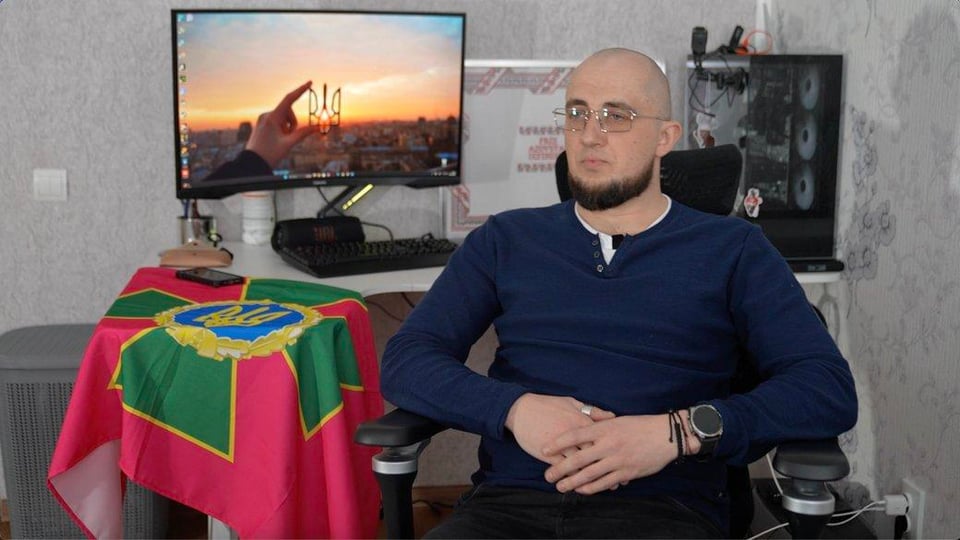
31-year-old Oleksandr Semenenko from Cherkasy spent nearly three and a half years in Russian captivity.
>“My brother lived in Mariupol. He worked in the patrol police, invited me to join him, and I agreed. That was in February 2021.”
Ten months later, the full-scale invasion began.
>“At first no one understood what was happening or what we were supposed to do. We took positions, moved weapons and ammo, stood at observation posts,” the defender recalled.
>“Everyone knew something could start. Everyone expected some moment, but no one imagined it would be a full-scale invasion.”
According to him, when the invasion began, all security forces worked together, and everyone had the same task: to hold the city.
>“The problem was that by then we didn’t have heavy weapons. Russian vehicles drove around with impunity, shelling our positions, and we had nothing to strike back with. We tried not to allow them into the city itself to avoid street fighting.”
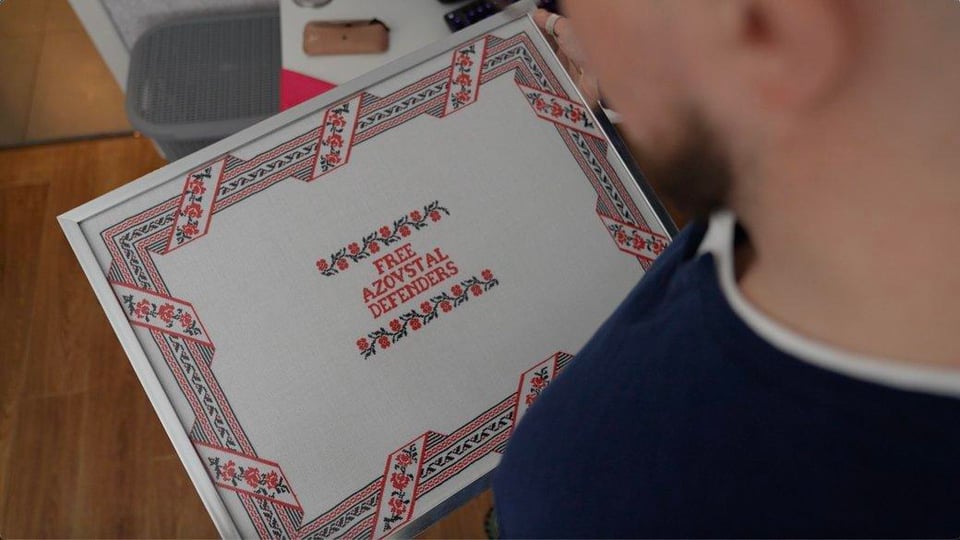
On April 14, after making a successful breakthrough out of encirclement, he and his comrades took up defense at Azovstal:
>“We lived in a bunker, well, more like ventilation shafts. It was very hard in terms of food. There were many wounded, and antibiotics were running out, painkillers too. They said amputations were sometimes done without anesthesia. The planes flew nonstop, bombing. It was hell. There were cases of suicide because the conditions were so harsh, and some people couldn’t take it.”
Then they surrendered into captivity.
They were first taken to Olenivka, then to Pre-trial Detention Center No. 2 in Taganrog:
>“They loaded us into KamAZ trucks, taped our hands, taped our eyes. When we arrived, we heard the gates clanging, the dogs barking, and someone shouting: ‘F*gs, out of the truck one by one!’ I heard the guys jumping down, then wild screams. I heard blows. They beat you with anything they could grab. And you just had to run somewhere, but you didn’t know where.”
The first three months were the hardest:
>“Interrogations, investigative actions, all accompanied by beatings and torture. They hung us, drowned us. The food…it wasn’t food. Spoiled products, sour cabbage. I never knew a person could endure so much.”
Sometimes the reasons for beatings were absurd:
>“They constantly beat you for tattoos, very brutally. I was lucky I didn’t have any. But once they came at me asking: why don’t you have tattoos? And beat me anyway.”
Russian guards focused heavily on breaking prisoners psychologically:
>“You had to walk bent over. There was no other way. The lower you bent, the better, because that was their favorite excuse to pick on you and beat you for not bending low enough. In those moments you lose the sense of being human.”
He was released on October 2nd, 2025.
[**https://suspilne.media/cherkasy/1270554-bili-pidvisuvali-ta-topili-cerkasec-rozpoviv-pro-katuvanna-u-rosijskomu-poloni/**](https://suspilne.media/cherkasy/1270554-bili-pidvisuvali-ta-topili-cerkasec-rozpoviv-pro-katuvanna-u-rosijskomu-poloni/)
So glad he survived!
I wish I could buy this poor guy a beer or 10.
I am glad that he made it out of captivity. Horrible monsters the ruZZians are
🇺🇦💙💛