Marianna della 102a Brigata: “A casa mi aspettano mio marito e mio figlio, ma ho fatto un giuramento e resterò qui finché non vinceremo”
https://www.reddit.com/gallery/1epzjpi
di Lysychka-

Marianna della 102a Brigata: “A casa mi aspettano mio marito e mio figlio, ma ho fatto un giuramento e resterò qui finché non vinceremo”
https://www.reddit.com/gallery/1epzjpi
di Lysychka-
5 commenti
Marianna is originally from Kalush. Before the large-scale war, she worked as a customs broker. At the beginning of the russian invasion of Ukraine, her brother took up arms to defend the country.
“I was initially asked by the city council to help with documents—organize the process for receiving volunteer aid from abroad, as shipments started arriving in bulk.
In April 2022, she decided to join the territorial defense.
“Some said ‘You’re a woman, stay in Kalush and deal with documents.’ But I knew that taking the oath was much more and much deeper. I didn’t sleep for two nights. I didn’t know how to tell my family. In the morning, I took my passport and went to the recruitment office. I took the oath and realized there was no turning back. This will continue until we free our land, and my life no longer belongs to me,” Marianna explains.
Marianna’s husband did not support her decision.
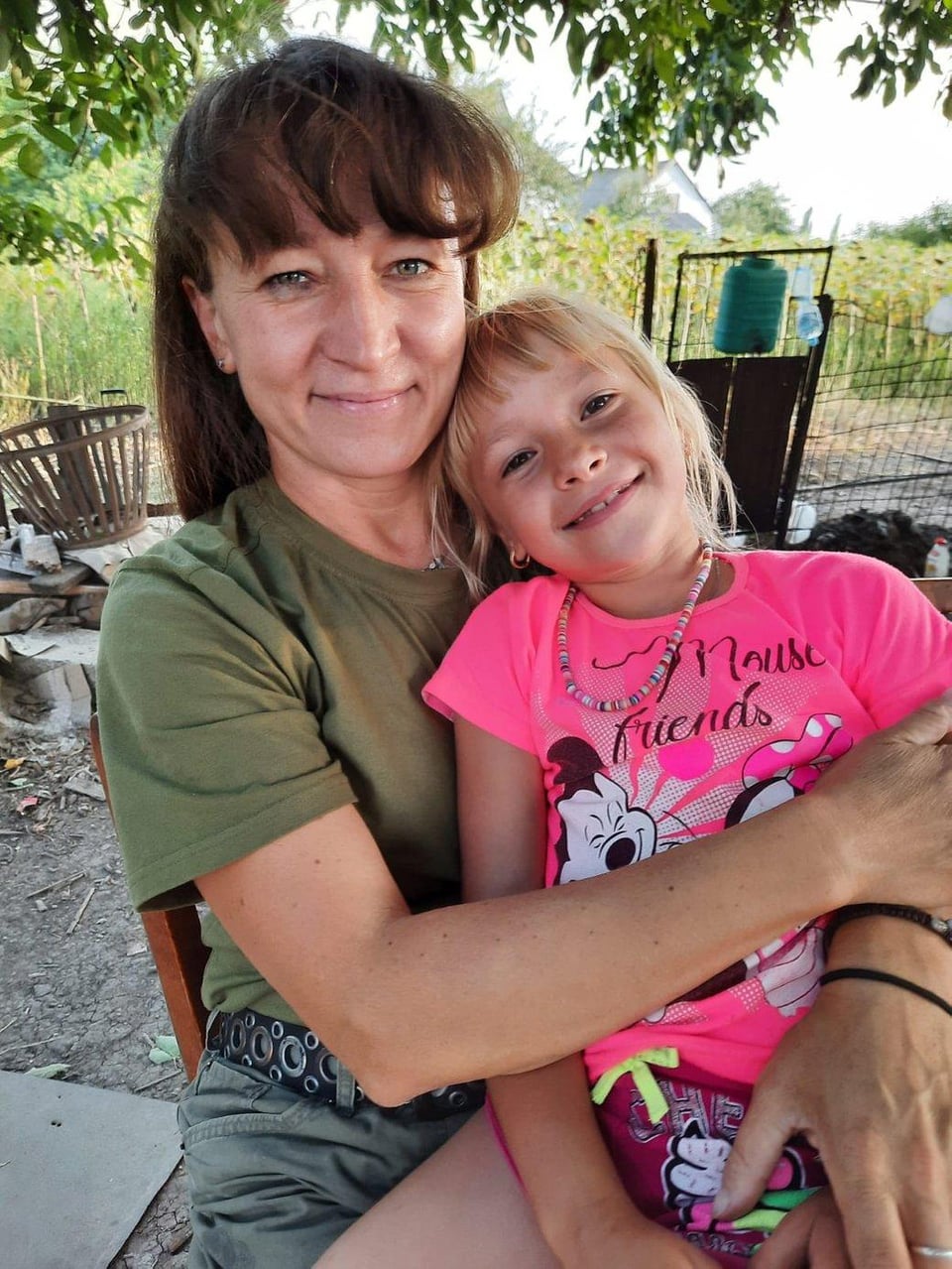
“He didn’t speak to me for two months. But when I told my son, and he responded: ‘Mom, I’d be surprised if you weren’t there.’
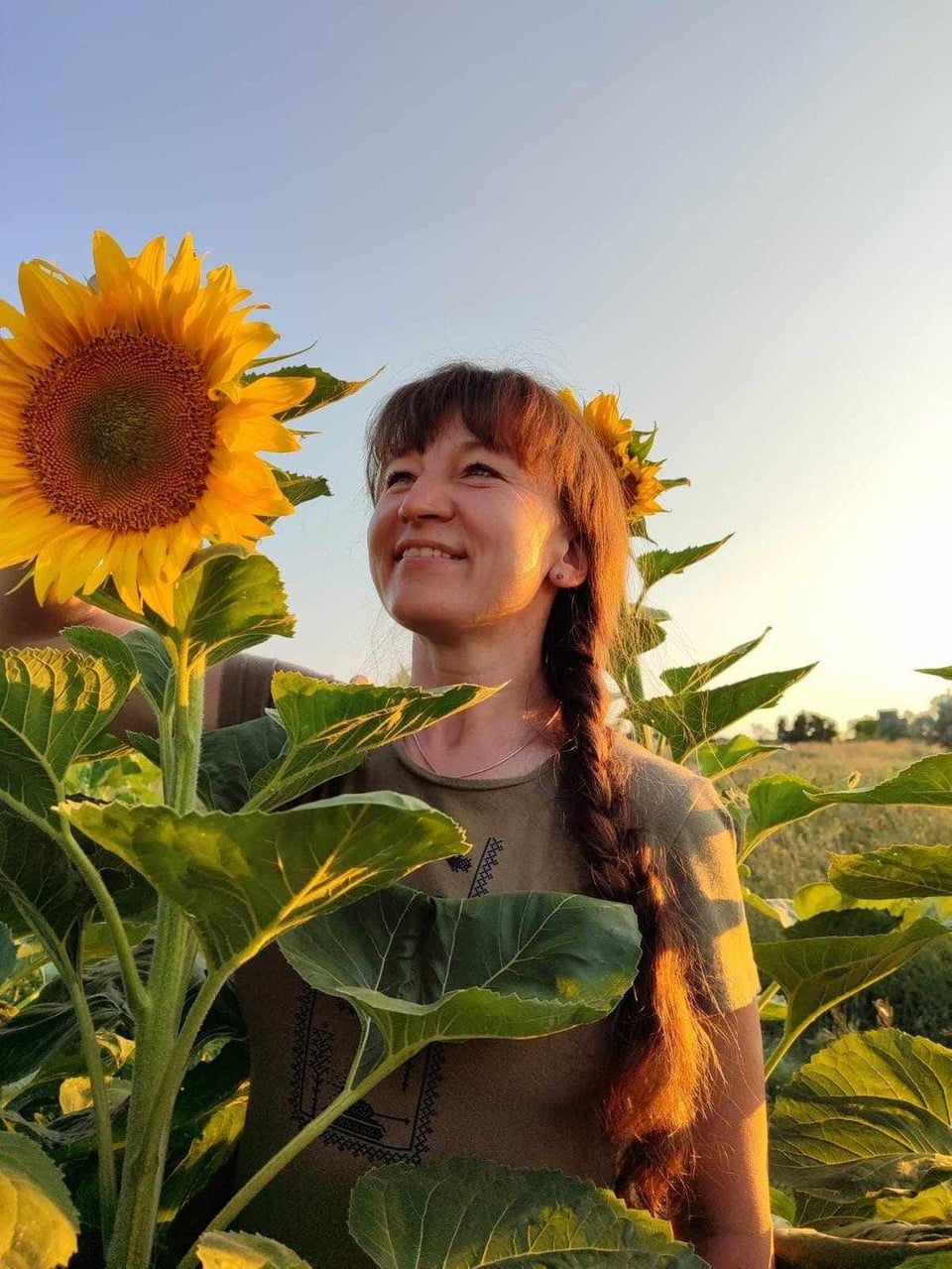
“I had never been to the east of Ukraine before. I really love traveling. I traveled a lot across Europe. First of all, I was surprised by the beautiful landscape—these endless fields. It was like a flag blue—blue sky and yellow sunflowers. They had just started blooming when I arrived. The sunsets and sunrises here are very beautiful. I didn’t think the east was so beautiful,” recalls Marianna.
However, she adds that when she first arrived in Zaporizhzhia, it was loud.
“When I saw smoke on the horizon, it made me uneasy. I felt a sense of realization of where I was,” says Marianna.
At the front, Marianna began keeping a diary, which she plans to publish as a book after the victory.
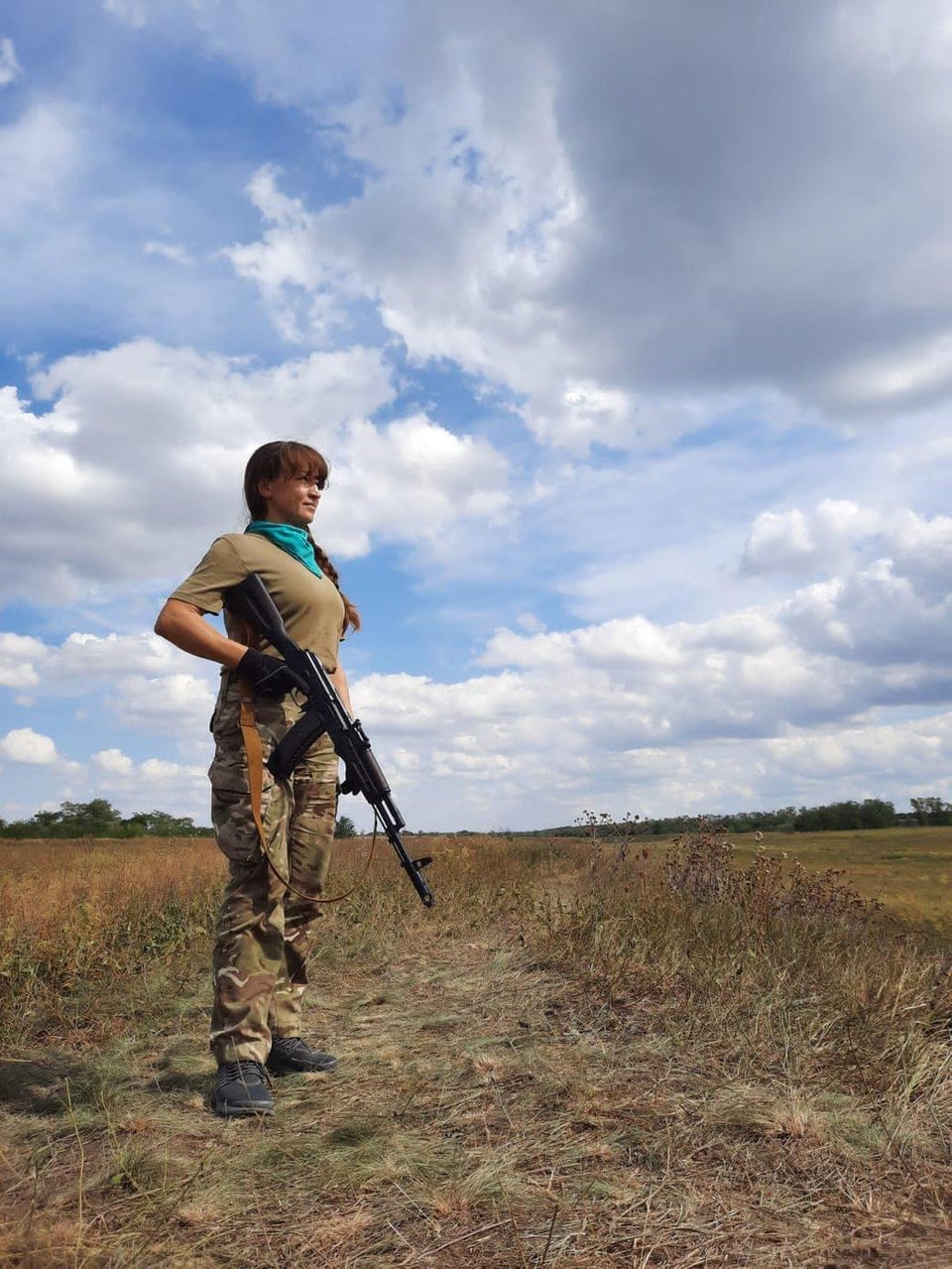
Once in the combat zone, Marianna was transferred to the logistics department. She says, “You can’t win a war without logistics.” Her call sign is “Volunteer.”
According to Marianna, at the front, there is a desire to be on equal footing with everyone. “In War, There Are No Men or Women—Everyone Is a Soldier”
Marianna says that war brings a certain re-evaluation of values. People start to appreciate the simple joys of peaceful life—drinking a cup of espresso or sleeping in silence and feeling that nothing threatens you or your loved ones.
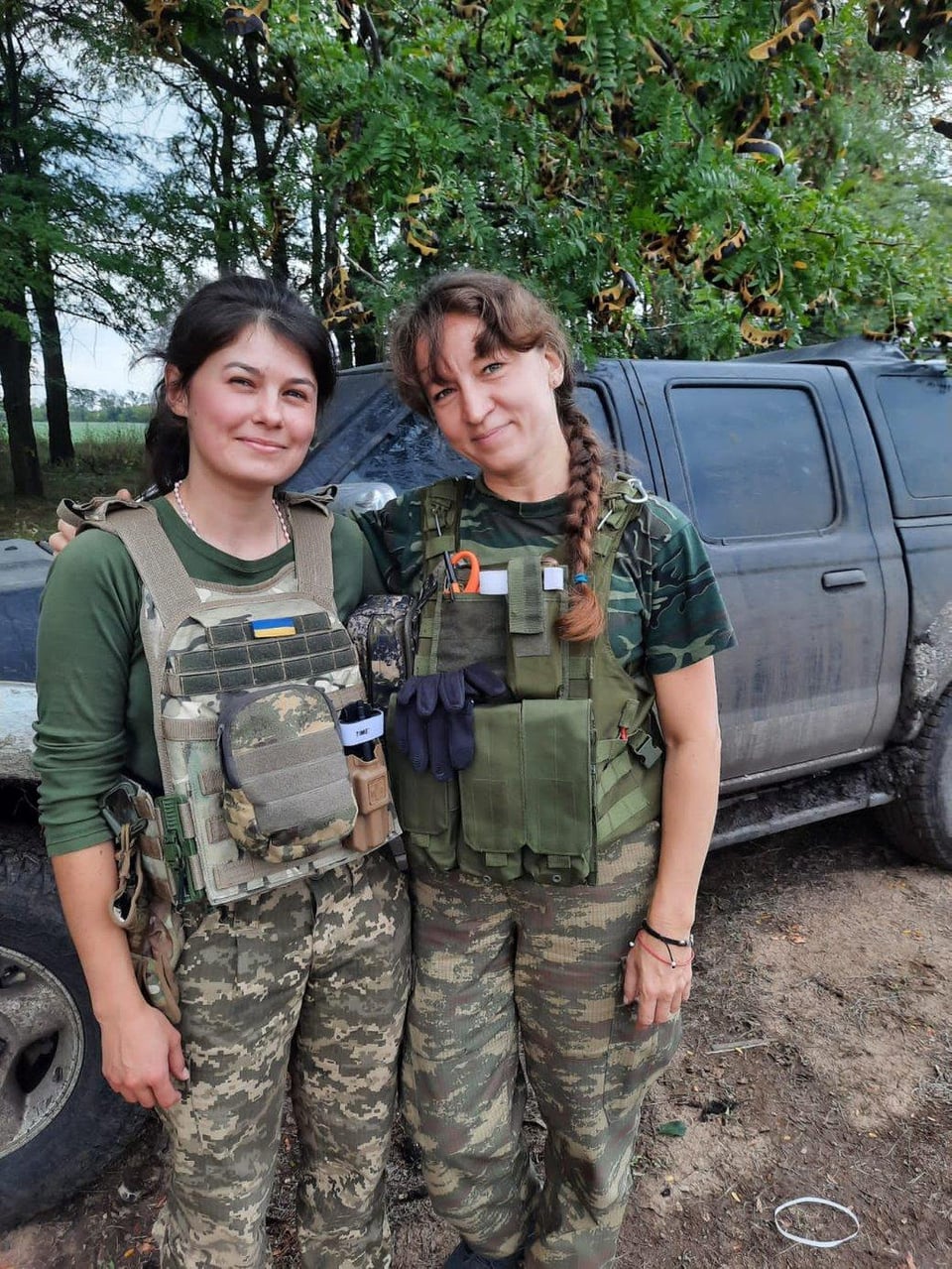
Marianna recalls that during targeted Russian shelling, she had to assist the battalion’s medics. That evening, 13 wounded were brought to the makeshift medical point.
“There was a massive shelling, many medics went out on missions, and the wounded kept arriving. We left our work and went to help. There were about 12-13 wounded and only two medics. A soldier with a concussion was brought in. He was shaking, pale, almost losing consciousness, saying, ‘I’m the second, I’m the second time.’ He was stumbling, anxious, hands shaking, vomiting. It turned out later that this young man had been concussed, and had just returned to the position—only to be concussed again. I asked his name and age. He said, ‘Vasyl, 21 years old.’ It gave me shivers because my son is also 21 years old,” Marianna recounts.
According to her, a civilian woman was killed that evening. She left behind a son who was helped by the military medics.
About the Hardest Things in War:
“Always the hardest part of war is losing people. And deleting numbers from your phone. There are many such numbers. While the guys are here, while they are fighting and giving their lives for Ukraine, don’t forget to go out and greet them. I understand that everyone is tired of the war, that everyone has their own affairs, and that there might be two or three funerals a day. But it is important to pay respects, to stop for those few minutes, to pray, and to kneel before the fallen hero—because these people gave their lives for us,” says Marianna Udod-Zomchak.
In difficult moments, the soldier is supported by the thought that this is our land, and we will reclaim it.
“The first thing I will do after the war is to visit my dream destination. I will go to Peru, to Machu Picchu. It is the land of the ancient Incas, and it has long fascinated me. I will also go backpacking and camping in the mountains. Probably for about three days.”
Source: [~https://suspilne.media/ivano-frankivsk/584143-vdoma-mene-cekaut-colovik-ta-sin-istoria-vijskovoi-102-brigadi-marianni-udod-zomcak-z-ivano-frankivsini/~](https://suspilne.media/ivano-frankivsk/584143-vdoma-mene-cekaut-colovik-ta-sin-istoria-vijskovoi-102-brigadi-marianni-udod-zomcak-z-ivano-frankivsini/)
Respect! I wish you,your family, and country a long and prosperous life.
God speed, hero.
UKRAINE strong! May God bless you!
So many heroes in Ukraine, men and women. I dont see how they can possibly lose this war with such fighting spirit, nor do I see how we in the west can allow that to happen. We need to reward their heroism with more and better weapons and every other kind of support we can give them.