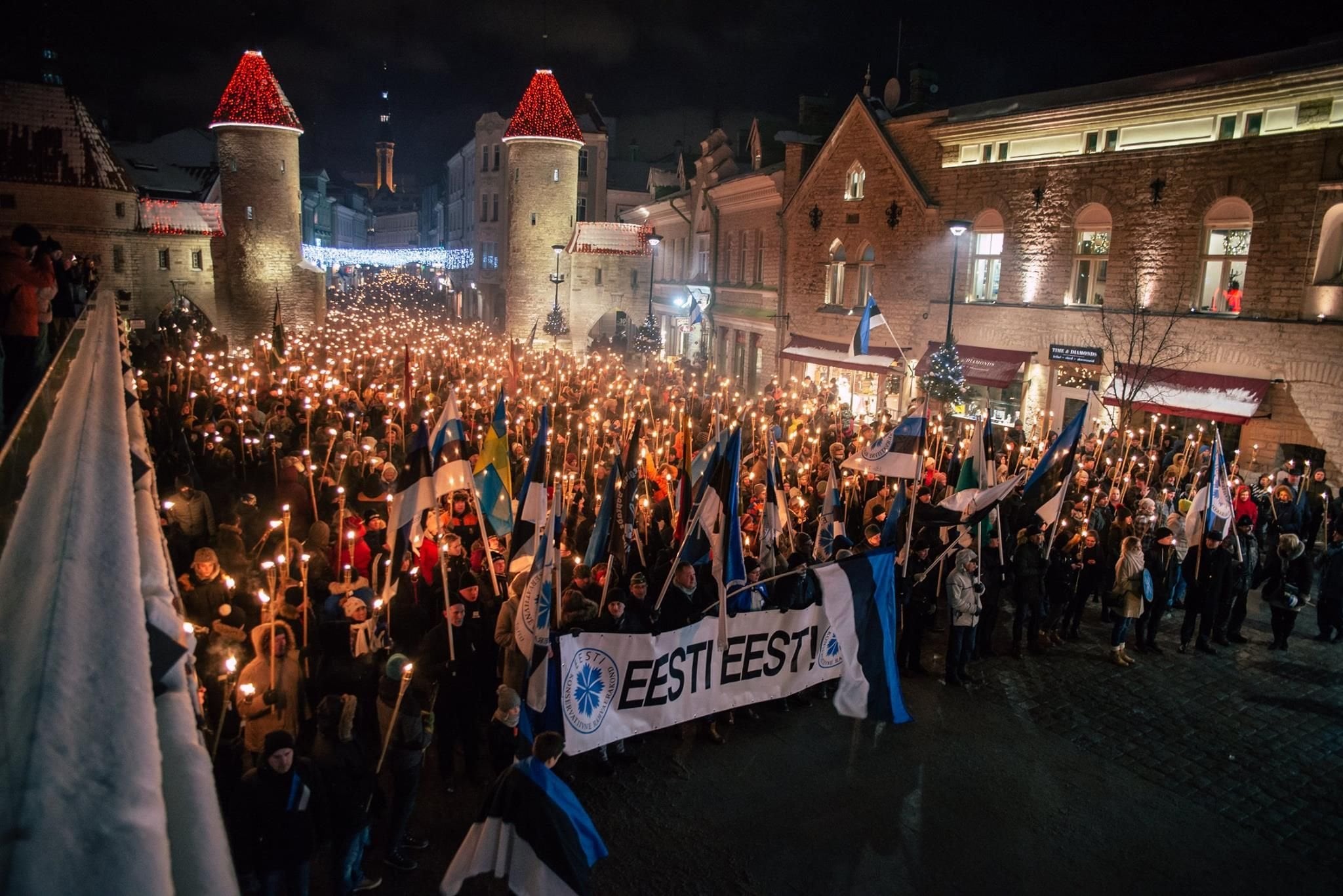
Il partito di estrema destra dell’Estonia vacilla, in controtendenza rispetto alla tendenza europea
di dat_9600gt_user

Il partito di estrema destra dell’Estonia vacilla, in controtendenza rispetto alla tendenza europea
di dat_9600gt_user
3 commenti
>*Once in government, EKRE now looks like a fading force as intra-party rifts over Russia have potential voters scratching their heads.*
>Fueled by discontent with national and European governments over cultural issues and the war in Ukraine, many of Europe’s voters chose to send members of far-right parties to Brussels at the European Parliament elections in June.
>On the surface, Central and Eastern Europe appeared to weather this upsurge. On closer look, however, the picture is less clear. In Poland, while the center-right Civic Platform came in first in the EU elections, it only was able to beat out its fierce conservative rival Law and Justice (PiS) by the [skin of its teeth](https://notesfrompoland.com/2024/07/03/what-do-the-european-parliament-election-results-tell-us-about-polish-politics/). In fact, PiS and the far-right Konfederacja party came close to winning a majority of the votes. Meanwhile, in [Romania](https://neweasterneurope.eu/2024/06/11/a-central-and-eastern-eu-elections-summary/), the center-left and center-right parties were forced to run a joint candidate list to stave off a challenge from two parties on the far right.
>Not so in Estonia. After a meteoric rise in the 2010s, the Conservative People’s Party of Estonia, EKRE, faced a disappointing EU Parliament result as well as sliding poll numbers at home. As other far-right parties in Europe reap electoral rewards, why has EKRE faltered?
The situation with EKRE is 100% a self-own and can’t be attributed to any sort of outstanding strategic vision on the part of rival parties or moral stance on part of the population. However, it’s certainly fitting that a party with authoritarian leanings shot itself in the foot with authoritarian leanings *within* the party.
Were they pro Russian?