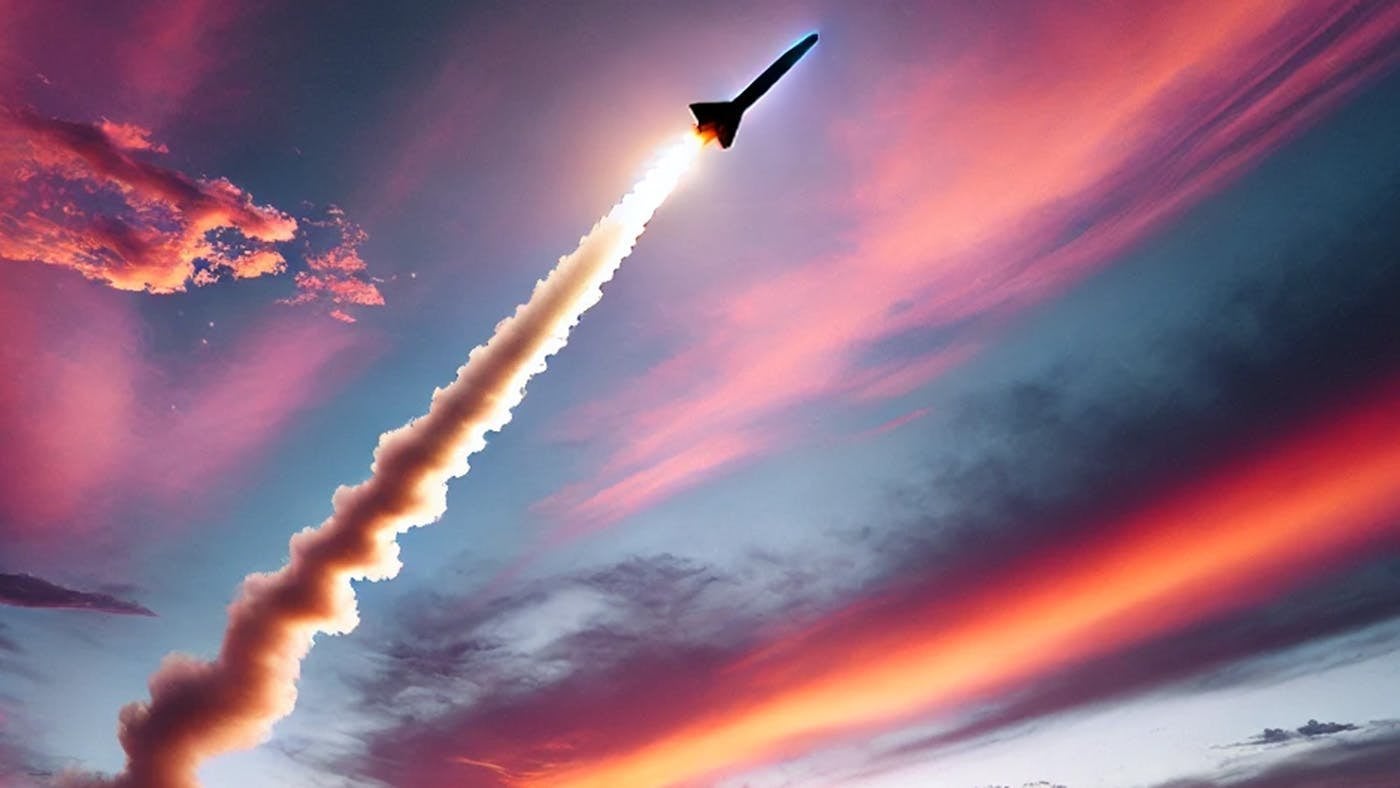
Regno Unito e Francia per aumentare lo sviluppo missilistico per scoraggiare Putin -By Lisa West
https://ukdefencejournal.org.uk/uk-and-france-to-boost-missile-development-to-deter-putin/
di _oSamuraiv_

Regno Unito e Francia per aumentare lo sviluppo missilistico per scoraggiare Putin -By Lisa West
https://ukdefencejournal.org.uk/uk-and-france-to-boost-missile-development-to-deter-putin/
di _oSamuraiv_
5 commenti
The UK and France must expand their defence industrial collaboration, particularly in missile development, space, AI, and hybrid warfare, to strengthen European security and deter further Russian aggression, according to Maria Eagle, Minister of State for Defence Procurement and Industry.
Speaking at RUSI and IFRI in London on 5th March, Eagle emphasised the importance of a strong industrial base to underpin military power, calling for a renewed UK-France defence partnership that would deepen defence cooperation beyond existing missile programmes.
Eagle underscored the success of “One MBDA”, a long-standing partnership between the UK and France that has delivered advanced defensive and offensive missile systems such as Meteor and SCALP/Storm Shadow. She also highlighted the Future Cruise and Anti-Ship Weapons (FC/ASW) programme, which will provide Europe with its most advanced deep-strike capability.
They’re already starting to leave Germany out. Well done Scholz. Turned our country into a lame duck that nobody expects to get its ass up anytime soon.
Just like in school group projects lol. You just know that one kid won’t do anything so you meet without even asking/considering them.
Can Canada get in on this action? Who do we need to phone?
The UK surprisingly (or shockingly) doesn’t have long-range ground-based air defense systems. If/when they acquire such a capability (and they must), there’s a clear opportunity to go for the Franco-Italian SAMP/T instead of the US Patriot.
Well, the UK and France are much closer in terms of defence and needs that any other countries in Europe. Neither is going to aim for half a million soldiers like Poland. Both are and will still be on a more expeditionary format, blue water navy, nuclear deterrence, etc.
Historically, and despite the Lancaster treaty, the biggest impediment has been the US. Since that is gone, I expect much closer cooperation. There’s plenty of components for which until now we could rely on the US that have to be considered gone. Space, cyber, intel, EW, comms, etc.
Worse, it is easy to imagine to imagine that in those respects the US will not just be neutral, but adversarial.