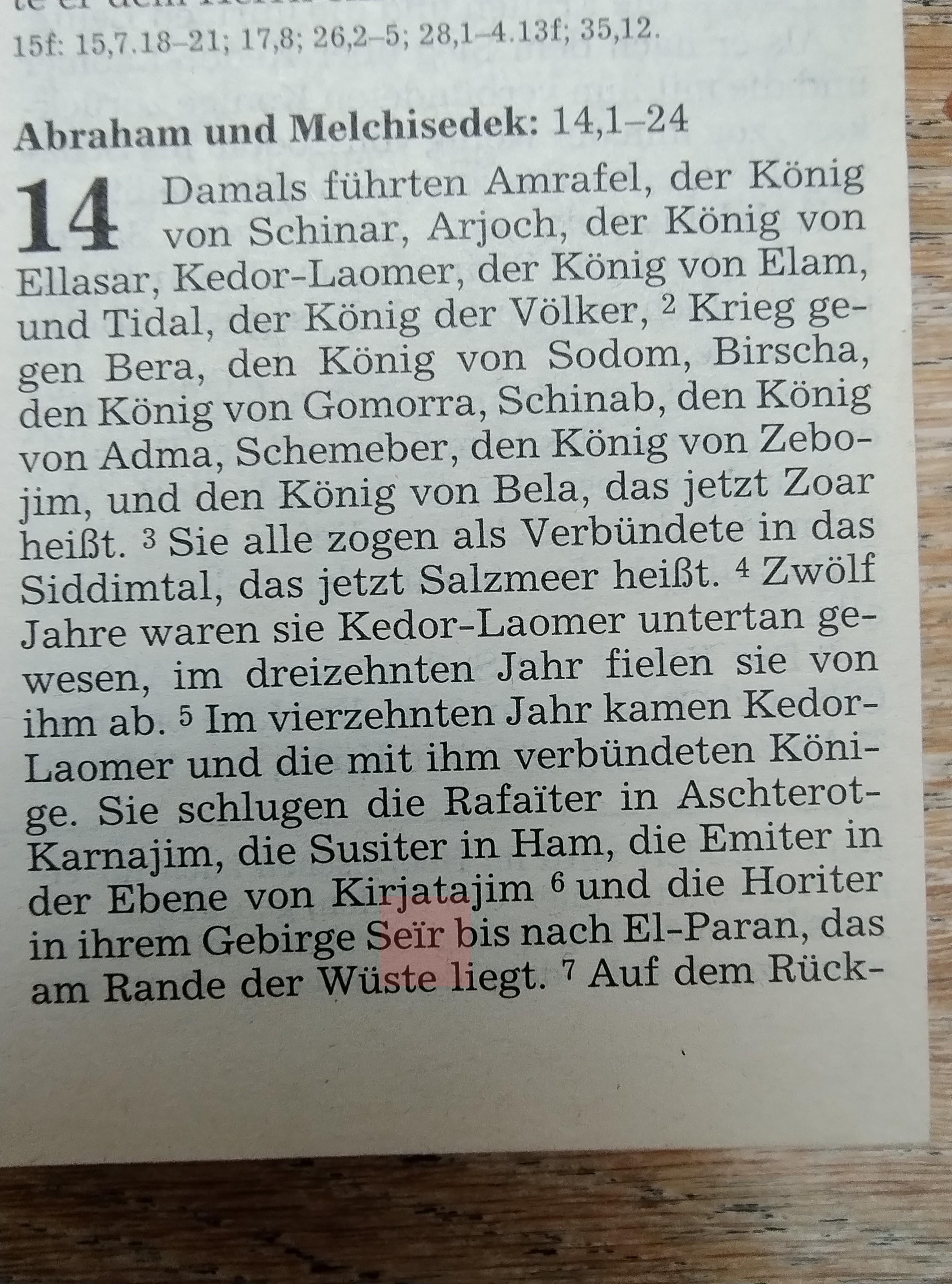
Non posso pubblicare r/tedesco perché non lasciarmi pubblicare foto
https://i.redd.it/ryd19h9r3o3f1.jpeg
di TheEmperorOfDoom

Non posso pubblicare r/tedesco perché non lasciarmi pubblicare foto
https://i.redd.it/ryd19h9r3o3f1.jpeg
di TheEmperorOfDoom
14 commenti
[https://de.wikipedia.org/wiki/%C3%8F](https://de.wikipedia.org/wiki/%C3%8F)
Not a German letter
It signifies that the I is spoken separately from the vowel before it so it’s “e-i” not “ei”.
It’s called a Trema and indicates pronunciation: it’s not ‘Seir’ but ‘Se-ir’.
It’s used to make sure the word is pronounced Se-ir instead of the usual way “ei” is pronounced in German (like English “I”).
It is not an official letter in German but it is used in several languages to indicate that e an i are not to be pronounced as diphthong ei but as two distinct sounds
English has it too, don’t be so naïve 😉
That is a Latin letter I with dieresis.
In Germany it’s called “Trema” (the dots)
The “two dots diacritic”, also called a “trema”, has at least two functions. In German it usually represents an umlaut, a type of sound change; but in some other languages, and sometimes also in German, it can represent a diaeresis — this is when two vowels that are written together are actually pronounced separately.
For example, the French word “Noël” isn’t pronounced like “nole”, but like “no-el”. In German, the two dots diacritic represents an umlaut when written over “a”, “o” or “u”; but over any other letter, it represents a diaeresis. This is very rare, but the text you’re showing us is a translation from Ancient Hebrew, and names of people and places follow different phonetic rules than German does and are often difficult to transliterate.
So, for “Seïr”, you’re being told not to pronounce “ei” together, like in the word “Eis”, but separately: it’s two syllables, “Se-ir”. Similarly, you also have the word “Rafaïter”, pronounced “Rafa-iter”.
why u crying thoo
used widely in Scandinavian languages Swedish / Norwegian, as far as i know.
I dont know but i will ask my Citroën dealer
What a naïve question! /s