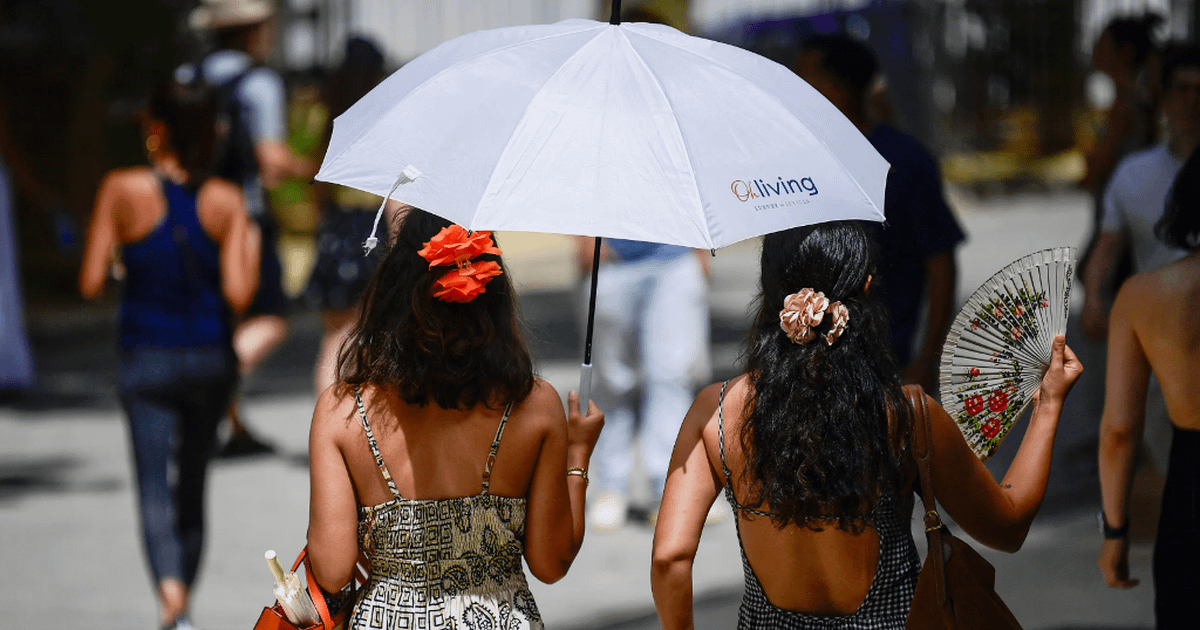
Studio: le temperature nelle principali città dell’Albania variano di 6 gradi dal quartiere al quartiere, dal cemento
https://www.voxnews.al/english/aktualitet/studimi-temperaturat-ne-qytetet-kryesore-ne-shqiperi-ndryshojne-me-6–i95349
di Arstel

Studio: le temperature nelle principali città dell’Albania variano di 6 gradi dal quartiere al quartiere, dal cemento
https://www.voxnews.al/english/aktualitet/studimi-temperaturat-ne-qytetet-kryesore-ne-shqiperi-ndryshojne-me-6–i95349
di Arstel
2 commenti
>A World Bank report states that in Vlora, Tirana, and Shkodra, temperatures vary not only from city to city, but also from neighborhood to neighborhood.
>More than 50,000 measurements of near-ground air temperature and humidity were taken in three separate areas.
>“Thermal differences between neighborhoods were striking. In Albania, the difference between the hottest and coldest neighborhoods reached 6.5°C in Shkodër, 6.4°C in Vlorë, and 4.3°C in Tirana. In all three cities, temperatures were highest in areas with a greater density of asphalt, concrete, and other impermeable surfaces and lowest in areas with more green cover,” the report says.
> **”Areas with a higher percentage of solid, impervious surfaces, such as roads, parking lots, and buildings, showed higher temperatures, while areas with more trees and grass were consistently cooler.**
The hottest areas coincided, at least in part, with lower-income communities: neighborhoods composed of single-story houses were significantly cooler, while areas with medium-sized buildings and few trees were hotter,” the WB report said, referring to this study.
>Heat adaptation policies envisage 4 plans:
>-Heat health plan
>-Early warning system
>-Capital plan
>-National adaptation plan
>Of these, Albania is the only one in Europe that only has a national adaptation plan.
>According to the World Bank, economic losses from extreme heat could reach 2.5 percent of GDP by mid-century in some parts of the region.
>Heat damages both current productivity and long-term human capital.
>“When it’s hot, workers slow down or stop working altogether. **Heat reduces physical and cognitive performance**. Productivity losses alone can reduce GDP by up to 1.3 percent in countries like Albania, North Macedonia, and Tajikistan.”