Tagliare strade e percorsi nella demarcazione di Tavush – Tagliare la propaganda
https://www.reddit.com/gallery/1clqla2
di GuthlacDoomer

Tagliare strade e percorsi nella demarcazione di Tavush – Tagliare la propaganda
https://www.reddit.com/gallery/1clqla2
di GuthlacDoomer
1 commento
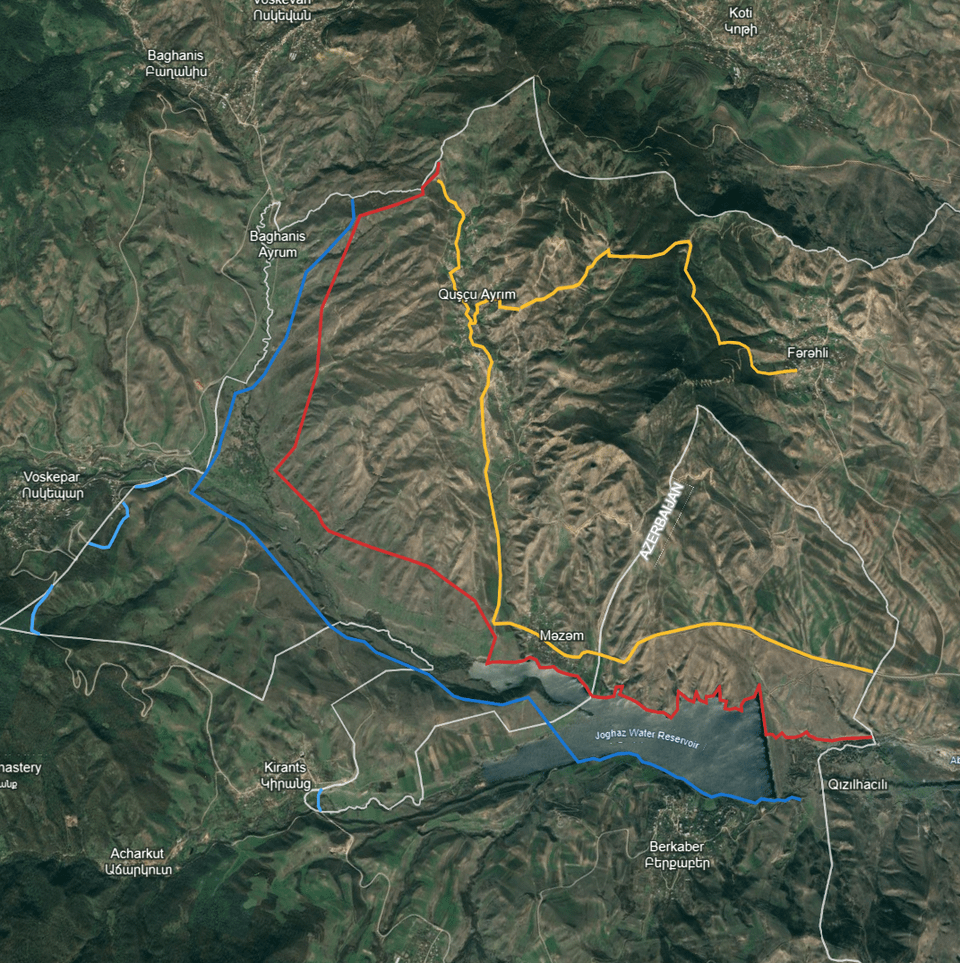
In the case of full demarcation of the area according to the Alma-Alta agreement, this would be the logistics situation.
As you can see, if Armenia regains the Berkaber triangle north of the Joghaz reservoir, it brings the Armenian border directly to a advantageous hilltop position occupied by the Azeri Army, from which you can see the entire sector. Moreover, and more importantly, it cuts the main road used to supply the villages of **Məzəm** and **Quşçu Ayrım**, forcing Azerbaijani villagers and ***soldiers stationed in forward positions*** to be supplied by a dirt road leading through more mountainous terrain, which is in direct fire control of Armenian positions. (Its a matter of a few hundred meters away from the closest Armenian post).
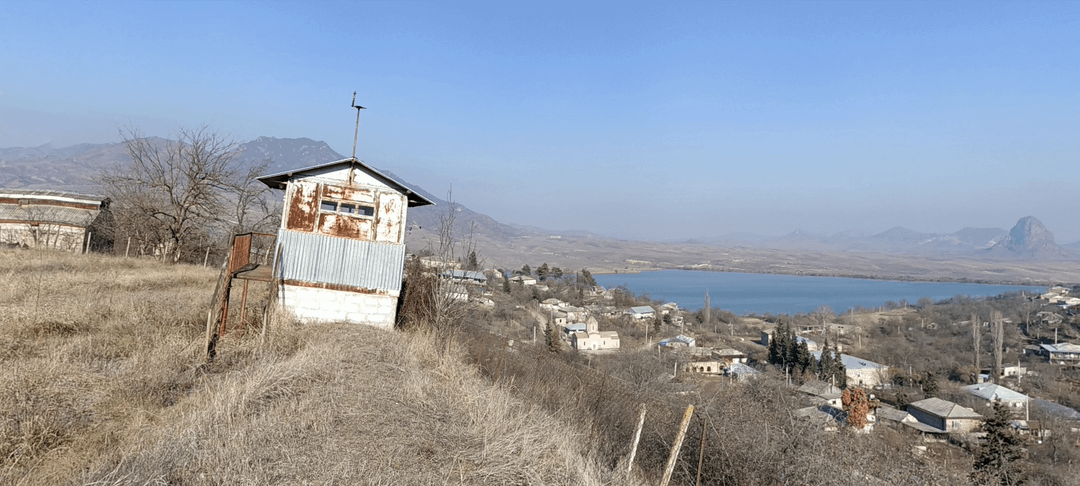
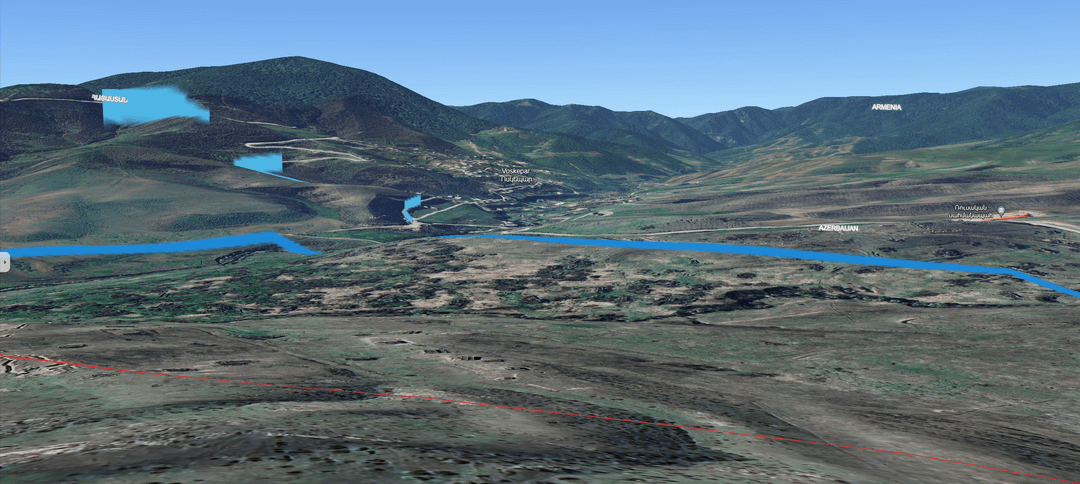
All that said and done, Voskepar village and Kirants can already be physically cut off from the rest of the country through the same concept of fire control, as current Azeri positions allow them to have direct line of sight on the road from their trenches. Voskepar village is only 3 km from their trenches, putting them in range of small arms and mortars. In the event of any fighting, these villages cannot be supplied.
If Armenia receives the Berkaber triangle back, Azeri positions 3km away from Voskepar and Kirants will lose a reliable supply route and in doing so, it would be untenable to have a continued military presence sustained by a winding dirt road through the mountains, watched by Armenian soldiers.
Concluding thought: Make whatever conclusions you want from this info, but its very clear that the situation and its consequences is different than what some in the country are asserting.