Il sole è tramontato su Kiev nel 1346° giorno dell’invasione su vasta scala. Come l’Ucraina identifica i caduti quando il DNA diventa l’unico testimone. Parte 2
https://www.reddit.com/gallery/1olxsmr
di frontliner_ukraine

Il sole è tramontato su Kiev nel 1346° giorno dell’invasione su vasta scala. Come l’Ucraina identifica i caduti quando il DNA diventa l’unico testimone. Parte 2
https://www.reddit.com/gallery/1olxsmr
di frontliner_ukraine
2 commenti
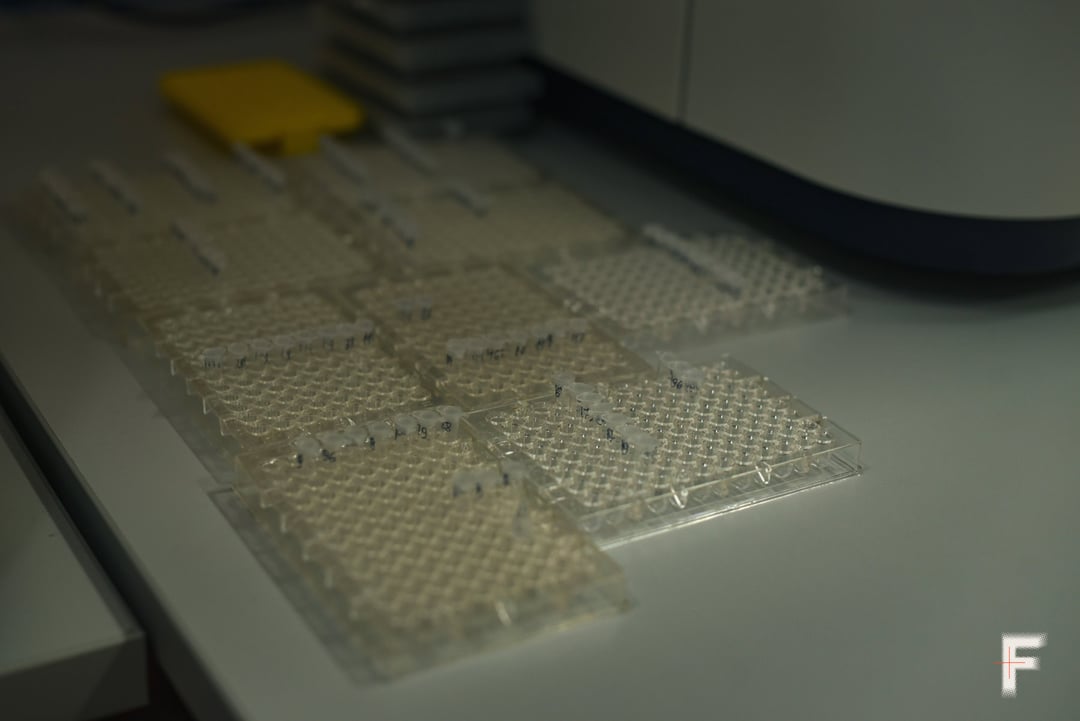
Obtaining a DNA profile takes 14 to 21 days depending on the material, be it muscle tissue, bone, or cartilage. The results are sent to a central registry, where they are matched with the DNA profiles of missing persons’ relatives.
The system is constantly improving. Mistakes do happen, specialists admit, but each repatriation is more organized than the last. Ukraine is developing a practice it has never had before: the mass identification of those killed in war.
**When DNA becomes the only witness**
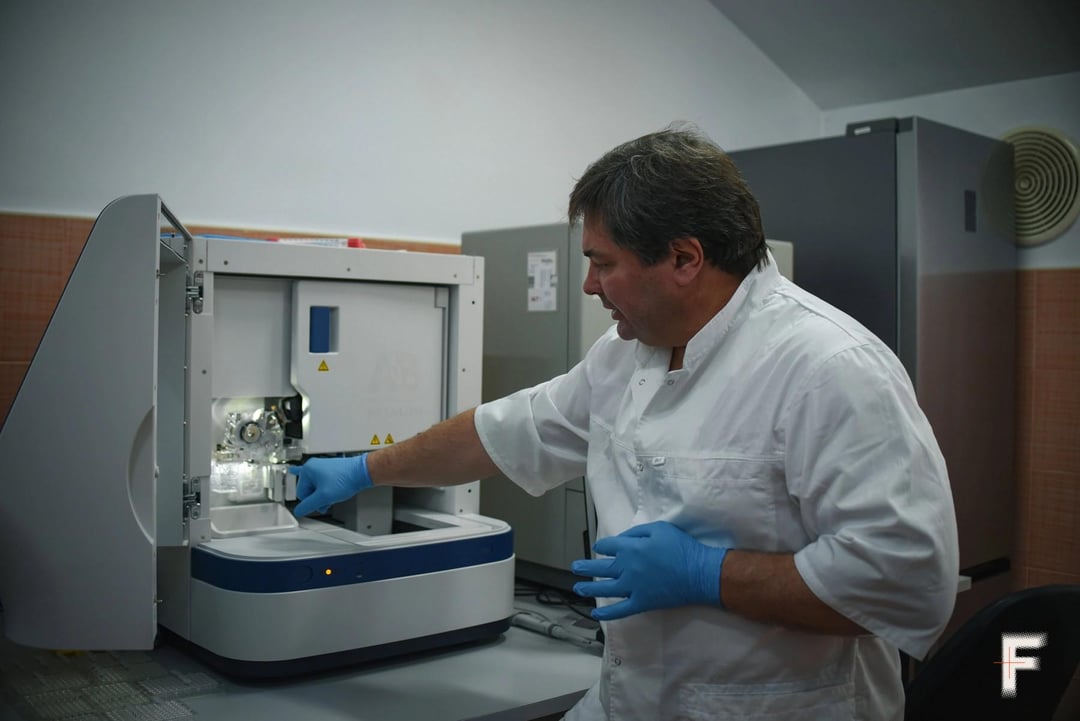
Work moves from the field morgue to the laboratory. This is the second stage of identification, unseen by most, yet crucial. In specially equipped facilities, genetic experts work with coded packages. There are no names, no stories – only the biomaterial and official information such as body number, date, region.
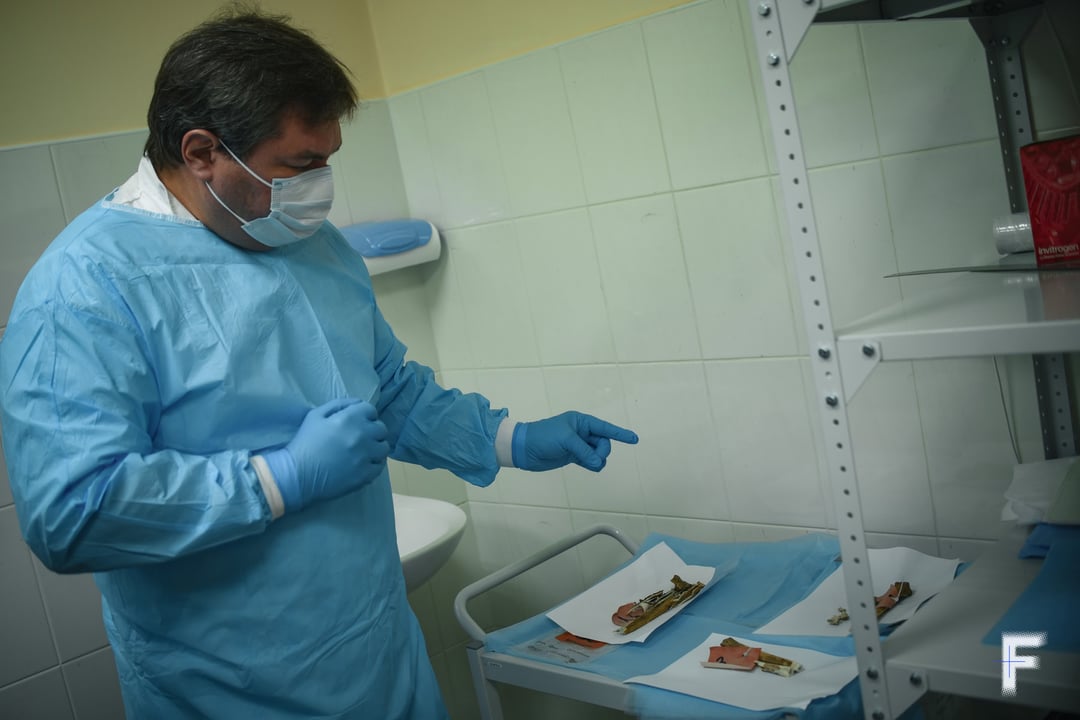
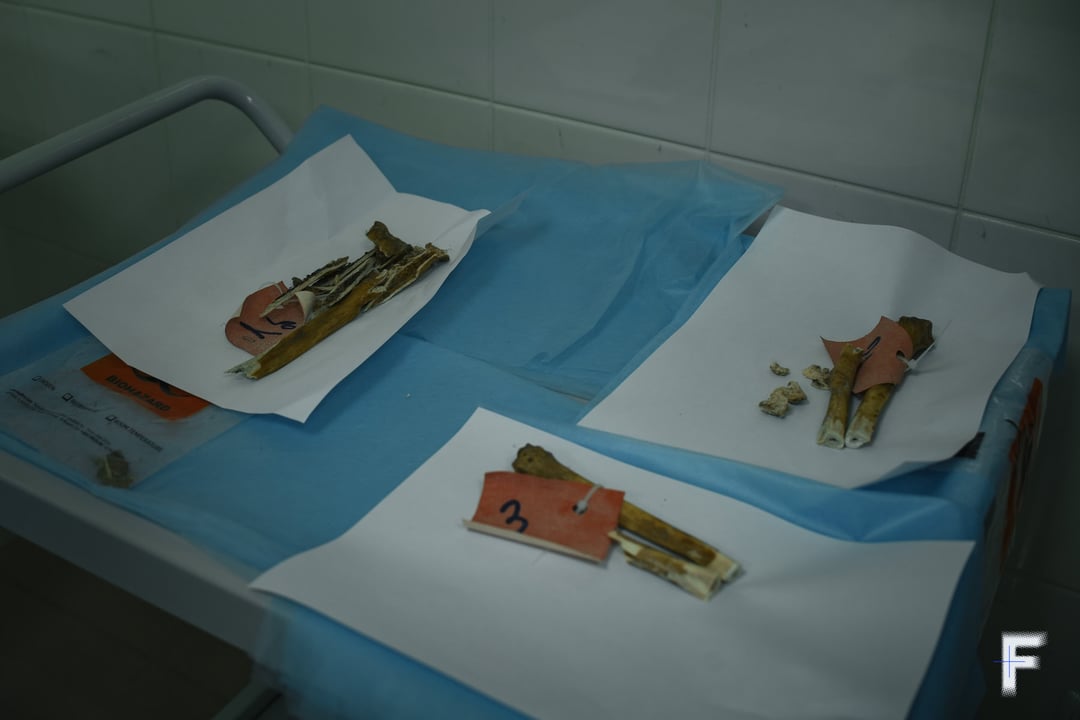
In the evidence processing room, everything is impeccably clean and orderly. This is where evidence is examined and made ready for analysis. On the tables lie bone fragments, test tubes, and containers. Ruslan Kryvda, Head of the Molecular Genetic Examination Department, carefully opens the package and shows the prepared material.
>“The package arrives from the site with the corresponding documents. This is how it comes to us. We follow the methodological guidelines of the European Committee of Forensic Experts, which specify exactly what needs to be collected. Depending on the condition of the body, we take biological samples.
>On a table nearby lies a pelvic bone. “There was no cartilage or muscle tissue – this is a skeletonized body, with a time of death over 12 months. We took the first vertebra, mechanically cleaned it, and collected a fragment of the arch. For this, we use a level 3 or 4 biohazard container, which safeguards the researcher from pathogens, such as tuberculosis.”
**From bone to digital profile**
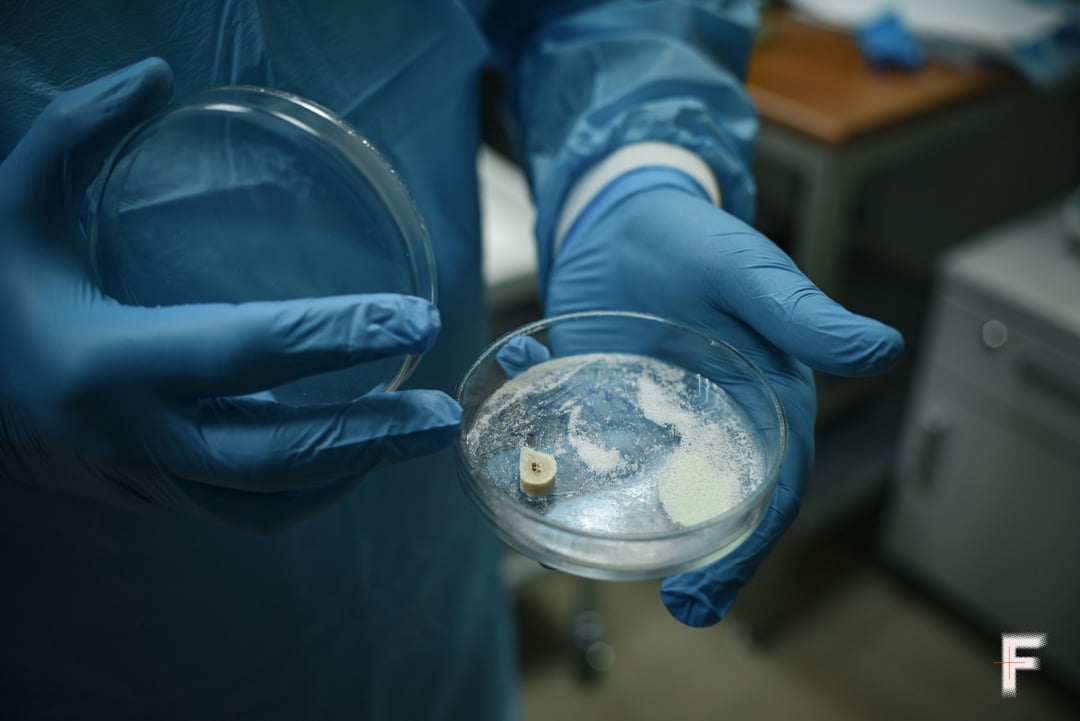
Analysis usually relies on the jaw, clavicle, rib, or patella, which provide quicker results.The samples are cleaned before any DNA is extracted.Teeth or bone fragments are ground into powder, and this material is transferred into a test tube for further DNA extraction.
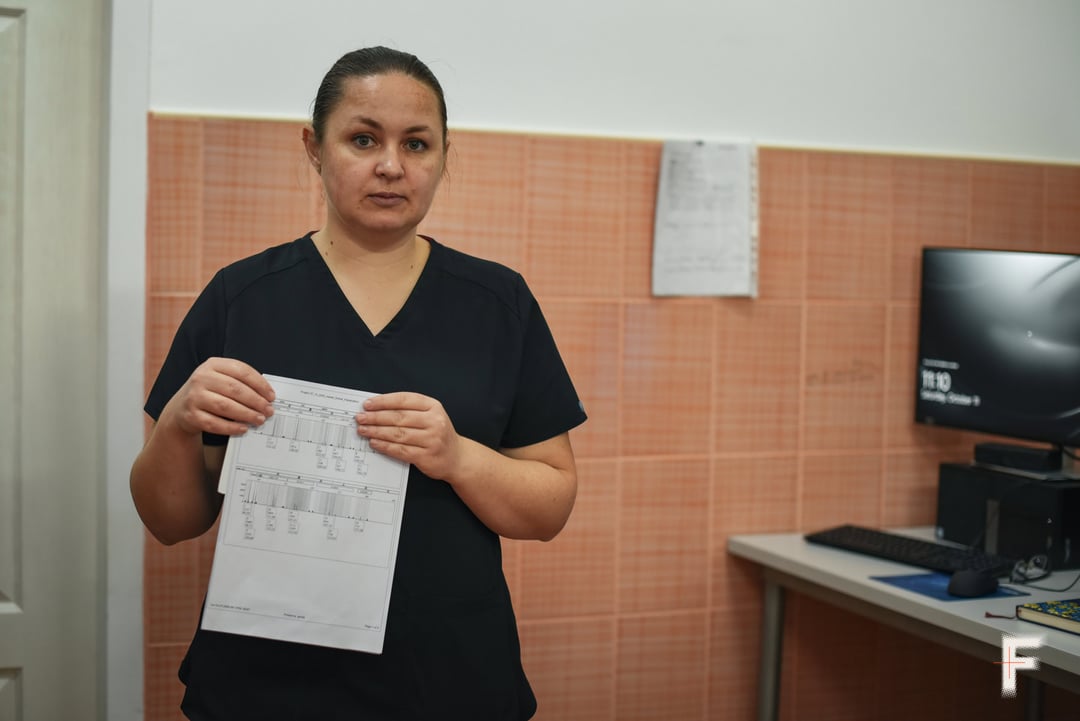
All DNA profiles are analyzed across 24 loci (a specific region of a chromosome where a particular gene or another unique DNA segment is located – essentially an “address” within the genetic code). Specialists use these “addresses” to compare DNA from different individuals, determining whether they are related or whether the samples belong to the same person, adhering to international standards to ensure precise matches. The data is entered into the Unified Human Genomic Information Registry created by the Ministry of Internal Affairs, which holds thousands of DNA profiles of relatives of missing persons.
>“Regarding comparative examinations, when a profile is entered into the registry the profiles of relatives are already in the system. Relatives typically provide samples after being informed that a service member is missing. When there is a match, the investigator schedules a comparative examination. We compare the DNA profile obtained from bone material with the DNA profile of the relatives. Two relatives are needed to identify the individual,” explains genetic expert Iryna Lantsman. “Most often, this is the mother and father or two relatives on the father’s side. Only then can we confirm a match.”
Once a match is found, an official conclusion is issued and the body can be released to the family. If an identity cannot be established within a year, the body is buried in a designated area under the previously issued individual number. This happens when there is no genetic material to compare – for example, if the fallen has no relatives or they are in temporarily occupied territories. A genetic profile is preserved so that, even years later, the grave marker can be updated from a number to a name. If the deceased is identified, the “On Their Shield” mission delivers the body to their family for burial.
Two years ago, the system was unprepared for such scale; today, it is setting new standards. Ukrainian experts are pushing the boundaries of possibility, devising methods the world has never seen. This experience may even form the basis of future international standard procedure.
***Author: Tetiana Kreker***
[https://frontliner.ua/en/identify-the-bodies-of-the-fallen/](https://frontliner.ua/en/identify-the-bodies-of-the-fallen/)
Part 1: [https://www.reddit.com/r/ukraine/comments/1ok9mxd/the_sun_has_set_over_kyiv_on_the_1343rd_day_of/Obtaining](https://www.reddit.com/r/ukraine/comments/1ok9mxd/the_sun_has_set_over_kyiv_on_the_1343rd_day_of/Obtaining)