
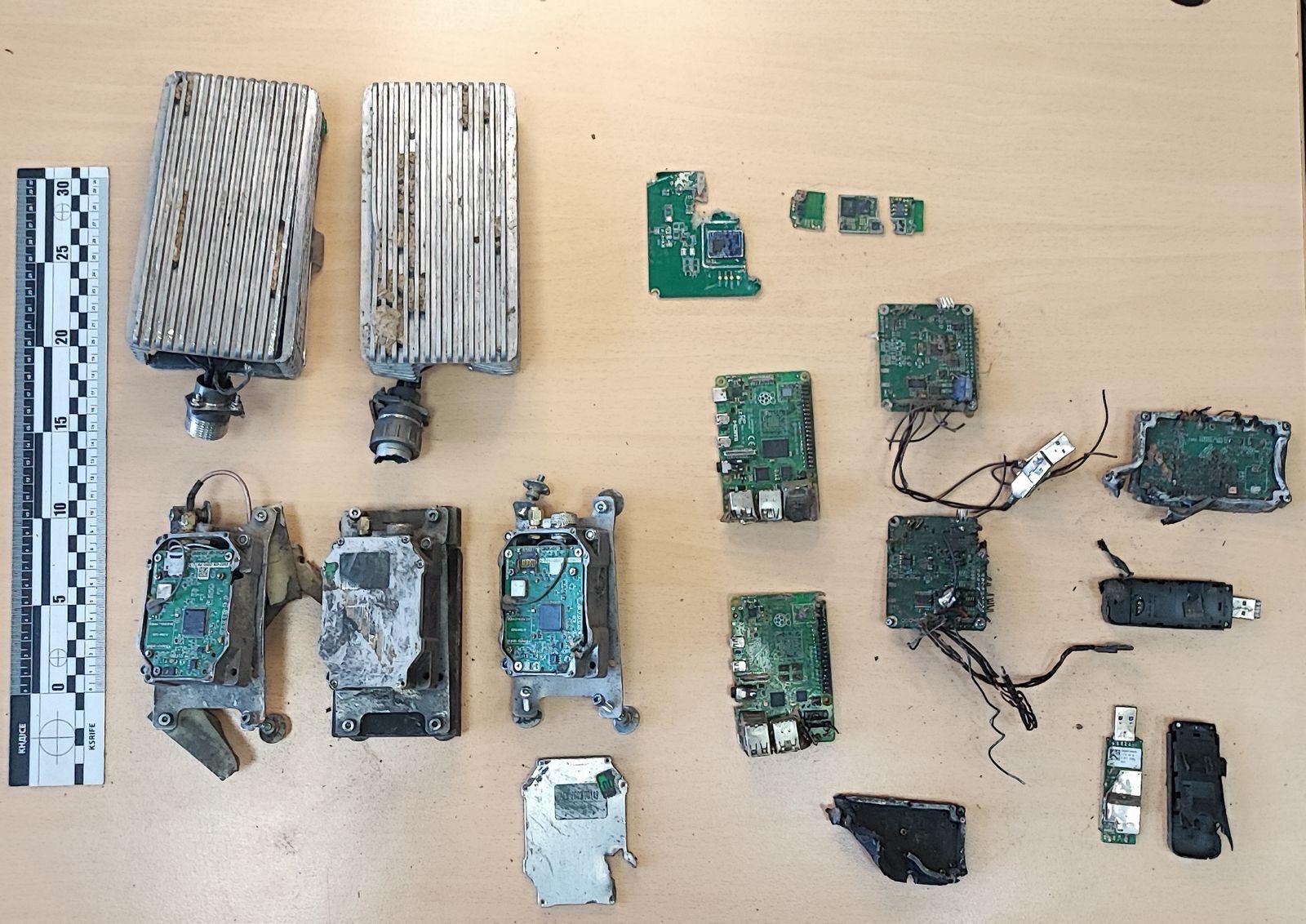
I nuovi risultati di un’analisi dei droni utilizzati dalla Russia per attaccare l’Ucraina nella primavera del 2026 sono stati condivisi dal commissario del presidente dell’Ucraina per la politica delle sanzioni Vladyslav Vlasiuk.
Secondo lui, i droni russi contenevano componenti di fabbricazione statunitense fabbricati alla fine del 2025, nonché microchip della società svizzera STMicroelectronics. È aumentata anche la quota di componenti cinesi: nei droni, ad esempio, sono stati identificati circuiti stampati nel marzo 2026. Tra le scoperte figurano anche nuovi componenti giapponesi.
Allo stesso tempo, per la prima volta da molto tempo, negli Shahed non è stato trovato alcun componente dell’azienda olandese NXP. “Ci sono motivi per un cauto ottimismo. Non sto dicendo che questi componenti fossero sempre presenti a Shaheds, ma è possibile che la Russia abbia smesso di ricevere componenti dai Paesi Bassi”, ha osservato Vlasiuk.
Fonte: Vladyslav Vlasiuk in un’intervista a Radio Liberty
https://i.redd.it/9o8vw7se7kvg1.jpeg
di nako_org_ua
14 commenti
Raspberrypis are actually British and made in the UK. However the point is the same.
Well yeah we are a global economy and things via grey channels do end up in Russia. Is it great? No absolutely not but these articles about each time some component is found in a Russian drone is just silly. There is no way to ensure 100% that none are reaching Orcistan.
Edit: those are RASPI… That isn’t some high-tech stuff nor very hard to lets say smuggle from Vietnam to Russia.
Huh. Wait until the Raspberry Pi foundation gets wind of this.
Looks like rpis, or their clones.. they can order that from AliExpress…
Russia established a huge black market decades ago. The can get their dirty hands on nearly everything if they want to.
Availability and Price will vary of course.
Dates indicate they’re using what they’re making immediately with little room to stockpile.
These are commercial parts. Anyone in any country can order a Pi, and the whole world isn’t boycotting russia.
This is saying water is wet.
> it is possible that Russia may have stopped receiving components from the Netherlands
[In 2014, 193 dutch citizens were killed by Ruzzia-backed forces.](https://en.wikipedia.org/wiki/Malaysia_Airlines_Flight_17)
No hardware more powerful than an abakus should enter Ruzzia.
**Edit:** Except as part of an invasion or a refinery “decommissioning”.
Globalization.
So, is it possible to reverse engineer it by downloading the software?
I wonder how much of this is via 3rd party intermediaries who take a hefty fee from russia to play middleman? Say for example some organized crime dbag in Austria buys 5000 units of whatever from the UK then sells them at markup to the russians, its not good news but russia is still paying much more than they would be with direct sales. These types of transactions seem like they’d be really hard to eliminate completely because the players use shell corps, fiction, and subterfuge at every level.
Oh that’s where all the RPis went at the point where there was a massive shortage. Figures.
Good to know that I could most likely build one, lol.
These are such ubiquitously common components, is it even possible to restrict them?
I’ve said it before every time this comes up – most of these parts are standard mass-produced consumer electronics and modules that are all over ebay, amazon, etc. and near impossible to sanction.
Making out there’s some scandal because a drone used an STMicro chip is like complaining they used American screws to screw it together with or German paint to paint it – and just as cheap & easy to buy & move across borders.
Right now Farnell have 230,000 of *one* specific STM32 processor in stock, out of a range of probably 1000+ cheap general purpose microprocessors STM make – the next most stocked models they have between 50,000 and 100,000 of each in stock on the shelf. These things cost less than a dollar each in volume, and that’s not counting all the fakes from China. That’s one supplier/stockist out of at least 5-10.
The ever-popular STM32F103, used in everything and anything including drones for more than a decade, costs $5 and they’ve got 67,957 in stock, you could smuggle 1000 of them in your coat pocket.
Same deal with the Raspberry Pi – they are as common as an iPhone, it’s not some military-grade thing that’s restricted and tracked.
Yes this is disappointing and frustrating, but equally it shows they do not have the ability to actually make a better design – doing it like this is fast to develop but costs you more money, more weight, shorter battery life, and is generally less capable than a properly designed system. This setup is heavy, power-hungry and less reliable than it could be by a long way.