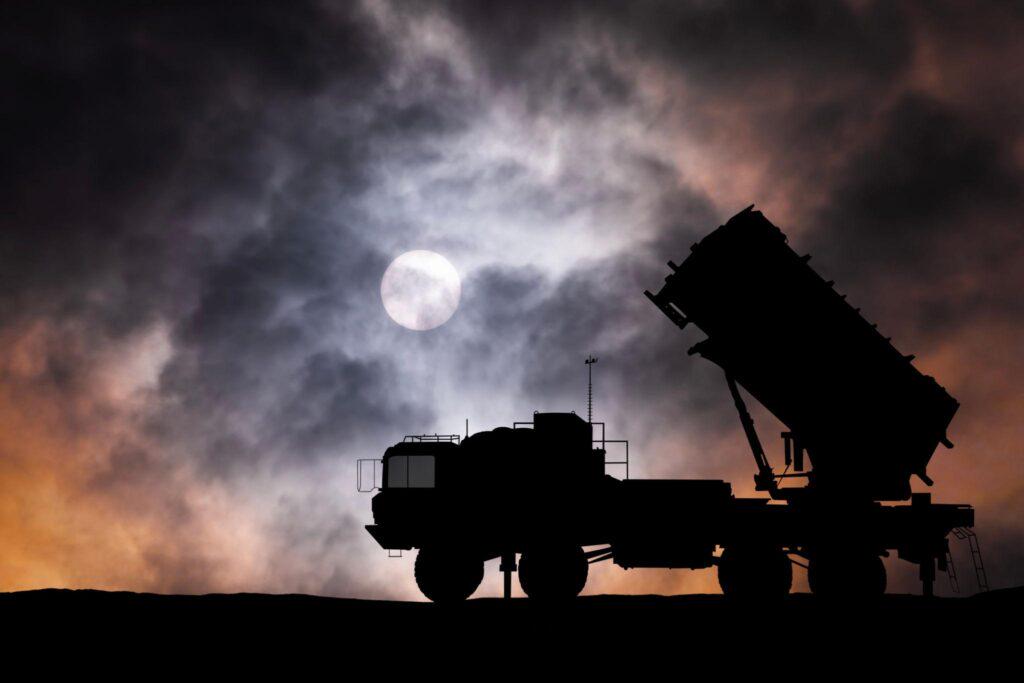
Ucraina e Germania accelerano lo sviluppo della difesa antimissile balistica: focus sul progetto Freya
https://militarnyi.com/en/news/ukraine-germany-ballistic-freya-project/
di Mil_in_ua

Ucraina e Germania accelerano lo sviluppo della difesa antimissile balistica: focus sul progetto Freya
https://militarnyi.com/en/news/ukraine-germany-ballistic-freya-project/
di Mil_in_ua
1 commento
The methodology for drone walls and complete defense is going to require numerous, highly mobile radars and thick nets of passive sensors working together.
In clear conditions cameras can do everything with AI.
In less clear conditions you will always need back up methods.
So radars currently have to be mobile to avoid enemy neutralising them, but they dont need expensive platforms.
Larger drones such as piston engined aircraft or business jets can provide adequate mobility and speed.
Obviously long range anti aircraft missiles pose a threat but are themselves visible.
A drone wall would have a lot of passive sensors, defenses using cameras and acoustic detection against the most common, near distance threats.
Radars need to be on highly mobile platforms.
Anything high speed will have thermal signature, so for near distance defence and termimal guidance, low cost IR sensor system is needed, tge components for ehich may be modulsr, used on larger sensor arrays, and smaller for tge effector, that can be programmed on the fly for each target, which can be used in a multitude of effectors, rocket-ram jet 2 stage missiles, shorter distance rocket missiles, jet drones, pulse jet drones, piston dromes, electric drones etc. and for longer range detection and guidance from carrier vehicle. All with general and mid course guidance from external sensors and radars.
A drone a bit bigger than the Flamingo could carry both any of the above airdefenses but also the radar and optical/IR cameras, as well as call up defenses from the ground.