
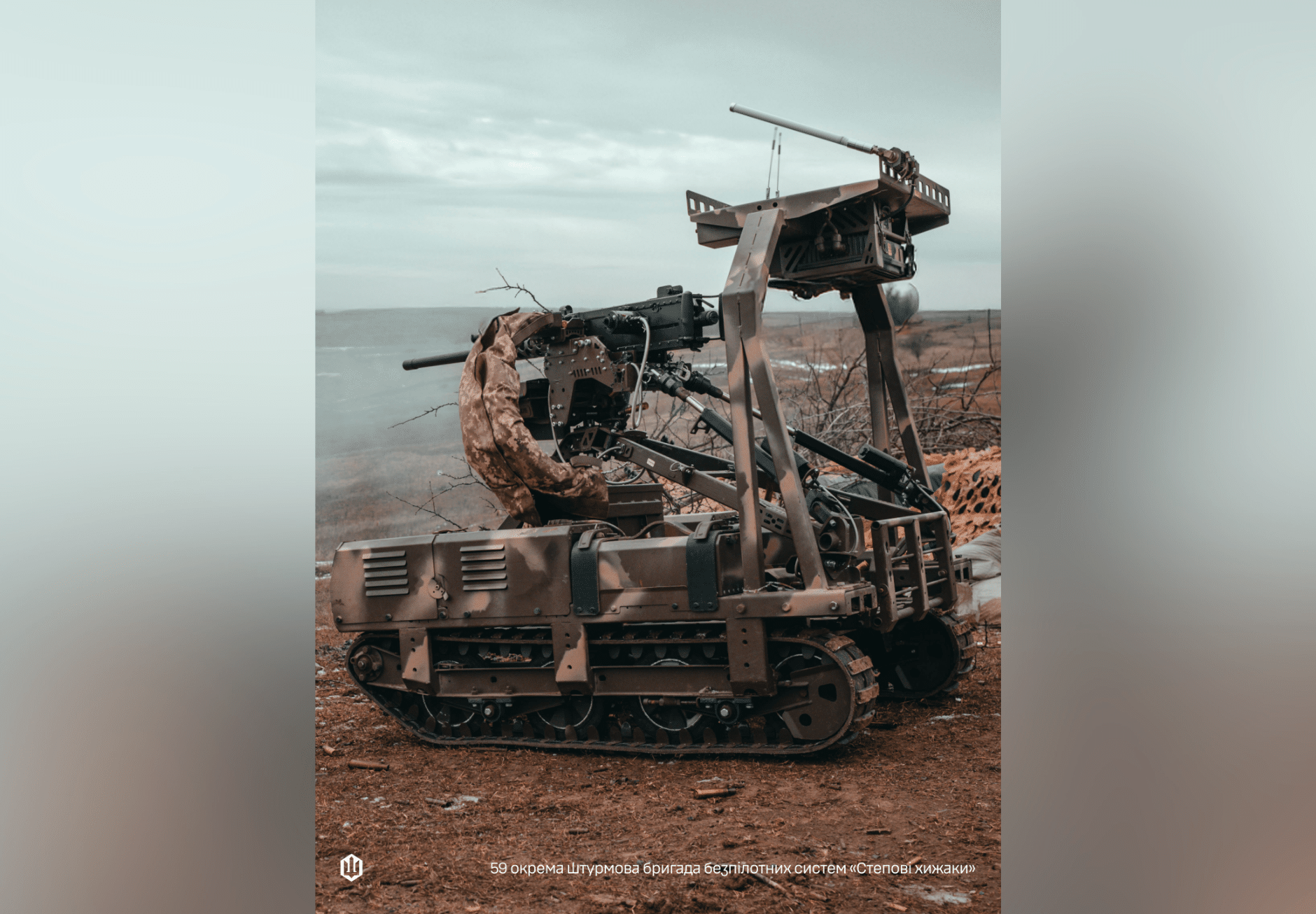
Il Ministero della Difesa ucraino contrarrà 25.000 veicoli terrestri senza pilota (UGV) nella prima metà del 2026, ha affermato il ministro della Difesa Mykhailo Fedorov annunciato il 18 aprileraddoppiando il totale procurato per tutto il 2025.
Fedorov ha pubblicato l’annuncio su Facebook dopo un incontro con i produttori nazionali di UGV. Ha detto che la Defense Procurement Agency ha già firmato 19 contratti per un valore di circa 250 milioni di dollari (11 miliardi di uah), con consegne alle unità di prima linea che seguiranno gradualmente.
Ukraine Orders 25,000 Ground Robots While a Legal Vacuum Slows Delivery
di Revolutionary-Cod276
3 commenti
Ukraine will be a leader on Robot Agriculture and farming after this war is won. This is obvious prediction. Most of these defence companies will have agriculture divisions focussed on land works.
Europeans, it is time to invest some hard cash to these companies.
These last four years have been a whirlwind of new technologies on the battlefield.
VAT is the legal obstacle mentioned –
“The procurement drive is running into a structural obstacle specific to this platform category. The VAT exemption for logistics UGVs expired January 1, 2026, reclassifying them under electric vehicle tax rules rather than the special vehicle category that exempts other military ground equipment from value-added tax.
Maksym Vasylchenko, CEO of Tencore, which manufactures the TerMIT UGV, [told *Militarnyi*](https://militarnyi.com/en/news/ministry-of-defense-of-ukraine-25-000-ugvs/) the gap is the primary bottleneck. “There is no single authority, department, or agency responsible for the UGV sector. UGVs are not covered by the law,” he said, adding the expired exemption forced 20% price revisions on existing contracts.
The Ministry of Defense has allowed contracting to proceed through price adjustments, is establishing a dedicated UGV competence center under the ministry, and said a resolution to the VAT issue is in progress. Manufacturers will also receive 2027 production contracts this year to stabilize supply chains”.