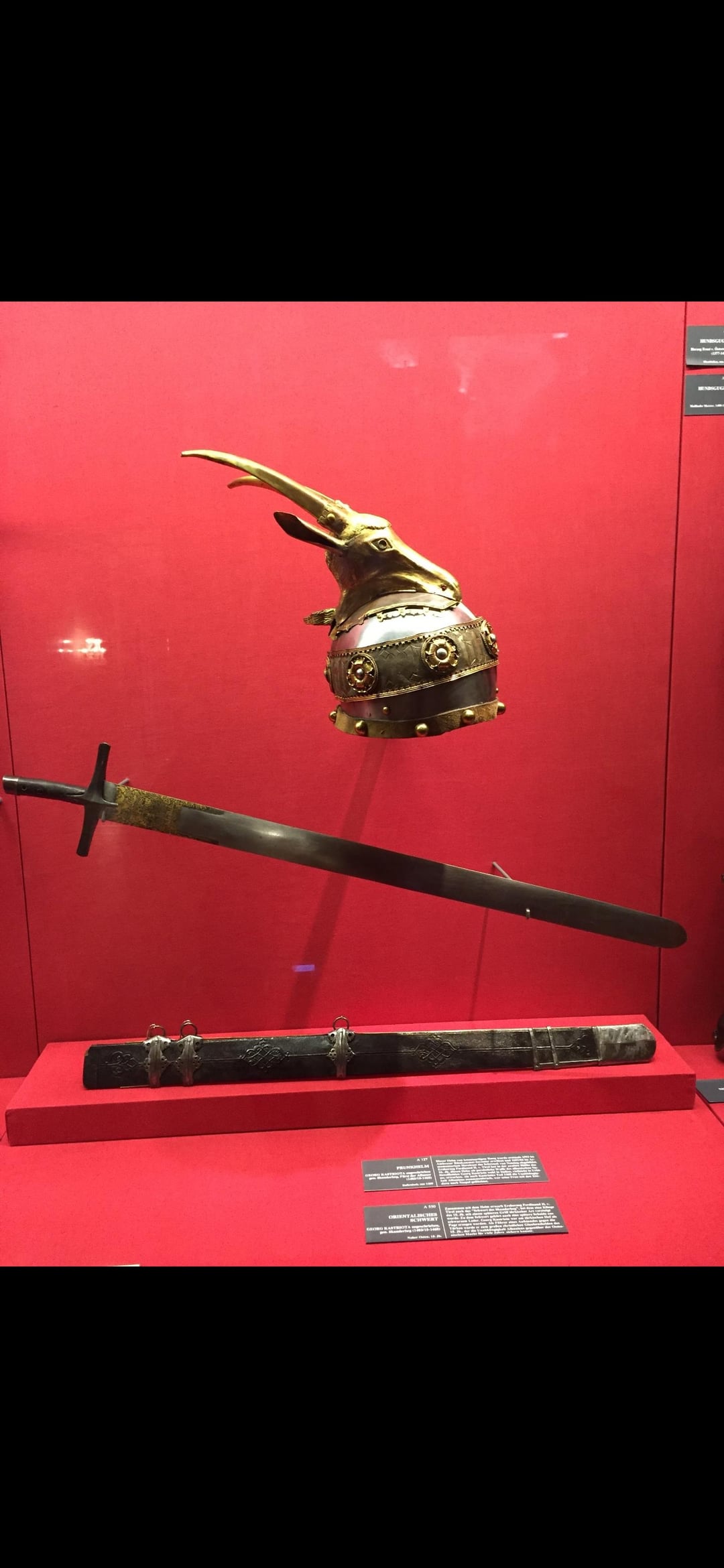
Non intendo innescare nessuno, sto solo mettendo in discussione la narrazione.
https://www.reddit.com/gallery/1sw9i0p
di jesushatedbacon

Non intendo innescare nessuno, sto solo mettendo in discussione la narrazione.
https://www.reddit.com/gallery/1sw9i0p
di jesushatedbacon
17 commenti
Because he has his biases like anyone else does, why else? Not really that interesting.
What?
Ca ka thene konica?
Well. If there were bloodstains on that sword, it would’ve been very rusty as blood contains both water and salt. He maybe tried to be metaphorical about it. Or just straight up lied.
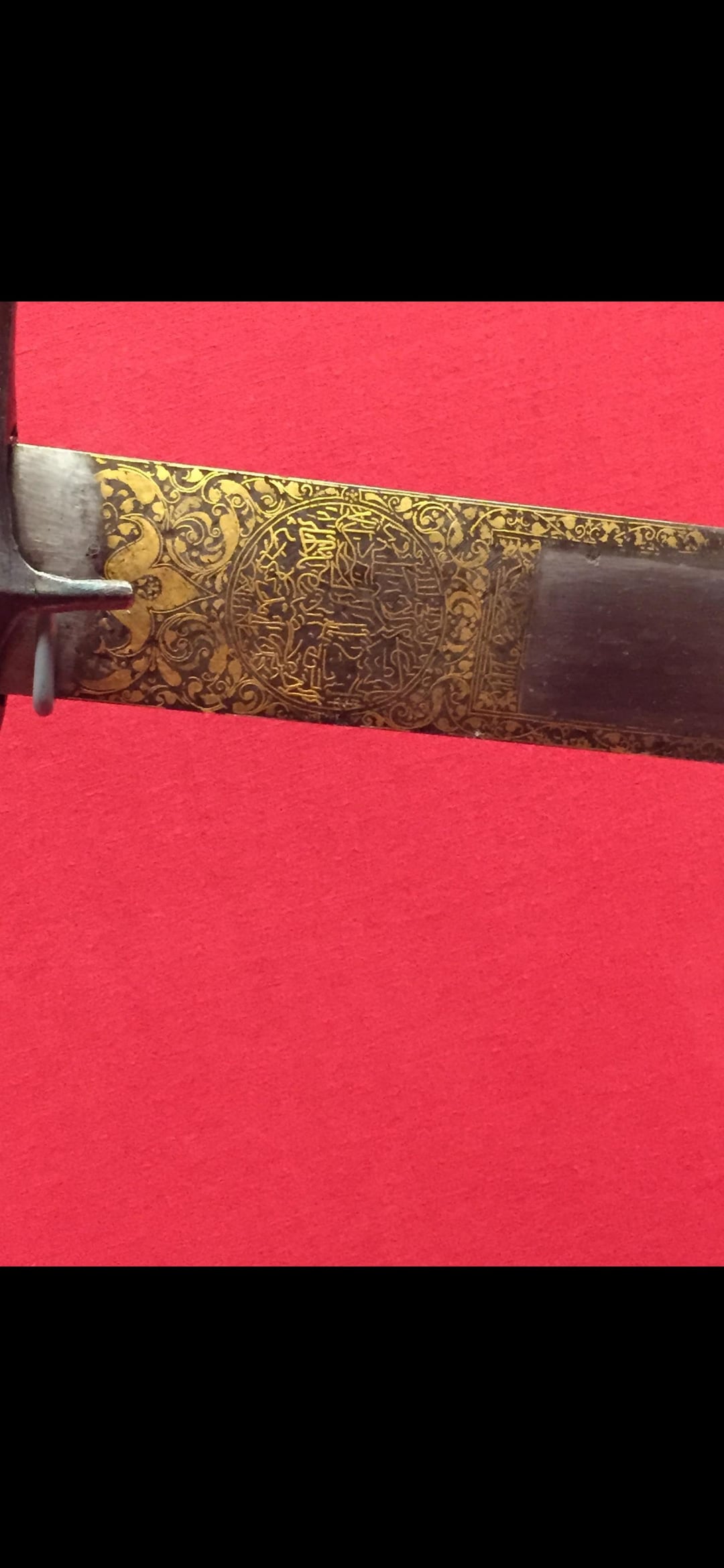
What does the arabic writing mean?
Damascening ,Damascus steel
FYI there is a second sword of Skanderbeg in display, however, no blood stains in that either.
What’s the point of this post? Please explain your narrative before asking for ours.
Pretty sure Faik Konica was metaphorically speaking. If you’ve read all his literature you would have known.
Why is it so important to you for the Arabic inscription to be mentioned?
What are you even trying to say?
That the sword is fake? That Konica never saw the sword? Or that Konica is lying about the blood stains?
Oooor are you trying to say that Skanderbeg was a Muslim?
Edit: Since you revealed your intentions in other comments, I’ll leave you with the inscription on his helmet.
“Jesus the Nazarene Blesses Thee, Prince of Emathia, King of the Albanians, Terror of the Ottomans, King of Epirus”
I don’t think blood stains will survive that long without proper care. Blood can oxidize and go away fast. But the sword looks decorative not actually something you can use in battle. Maybe Faik Konica used symbolism in his writing.
What narrative?
Arsyetimi i ketij postimi eshte po aq pa lidhje sa dhe fakti qe ti flet anglisht ne nje komunitet shqiptar.
The east was famous for their sword craftsmanship. I mean the guy held a high position in the ottoman army for a long time, where do you think he got the sword from? And were you still expecting blood stains centuries later?
Letra e firmosjes se pavarsise ne Vlore u shkrua ne arabisht
Nuk e kam lexuar Nolin por legjenda popullore thot qe sulltani i kerkoi te nderronin shpatat si kortezi e armepushimit, dhe Skenderbeu pranoi. Kur u kthyen ne keshtjelle, kaloresit i shprehen shqetesimin se si do ja benin nese do luftonin prap kunder turqve se besonin qe shpata ishte magjike. Skenderbeu i tha te sillnin nje ka apo buall, dhe ja sollen. Me nje te rrotullume te shpates, e ndau ne dysh ne sy te te gjitheve. Morali i fabules eshte qe shpatat jane njelloj, duhet krahu qe ta fergelloi.
Gjithsesi, nuk eshte habi e madhe qe paska shpate me shkrime arabe. Eshte si te thuash pse Shqiperia ka artileri kineze apo dicka e till. Princat e mesjetes koleksionin dhe shkembenin dhurata pasi plackisnin kampet ne lufte.
Skanderbeg’s curved, damascene steel sword, likely from the 15th-century Balkans or Middle East, features an Ottoman Turkish inscription in Arabic script that reads “Libehadur Allah Iskander beg,” translating to “Champion of God, Skanderbeg”. The blade includes gold-inlaid medallions with this text and other decorative, partly imitation Arabic, script
The inscription serves as both a personal moniker and a talismanic, protective phrase invoking divine favor in battle
The sword was likely a gift or acquired during his time in the Ottoman military, where such opulent, damascened weapons were common for commanders, with some accounts suggesting it was a gift from a Sultan.
You also need to note that sword you see there is not the sword used in any battle that is a decorative Damascus steel sword worn after a battle during a return worn more as a symbol of power and stature than it was a battle weapon
Swords in battle were often a lot shorter than the swords we see on display for knights kings lords etc because a big heavy sword is actually very detrimental in combat. You can swing a short sword and wield a light small shield far more effectively
The curved scimitar (kilij) was the weapon he actually fought along with most soldiers of that era it was a curved blade that was short medium sized that was used to stab thru shields by having a curved blade it made blocking a stab more tricky as you could go wide around a shield etc reach over etc and it allowed for a thinner lighter sword due to the curve without breaking allowing faster swinging
https://imgur.com/a/k85XJdF
Also like 99% of swords we find are these nice preserved ones with fancy insertions and gold likely decorative swords as the blades are to unblemished and used like they’ve never seen battle
The ones used in battle likely had inferior metals mixed in for cost cutting or just resources and rusted out laying in the hands of fallen men didn’t include gold or lettering etc
Je shumë i vogël ti të flasësh për Skënderbeun apo për Konicën, shumë i vogël. Konica tipat që bëjnë si të huaj në tokë shqiptare i konsideronte levantinë.
Skënderbeu ka fol shumë gjuhë. Plus ne s’kemi pas metalurgji. Shpatën arabët do ja kenë berë.