
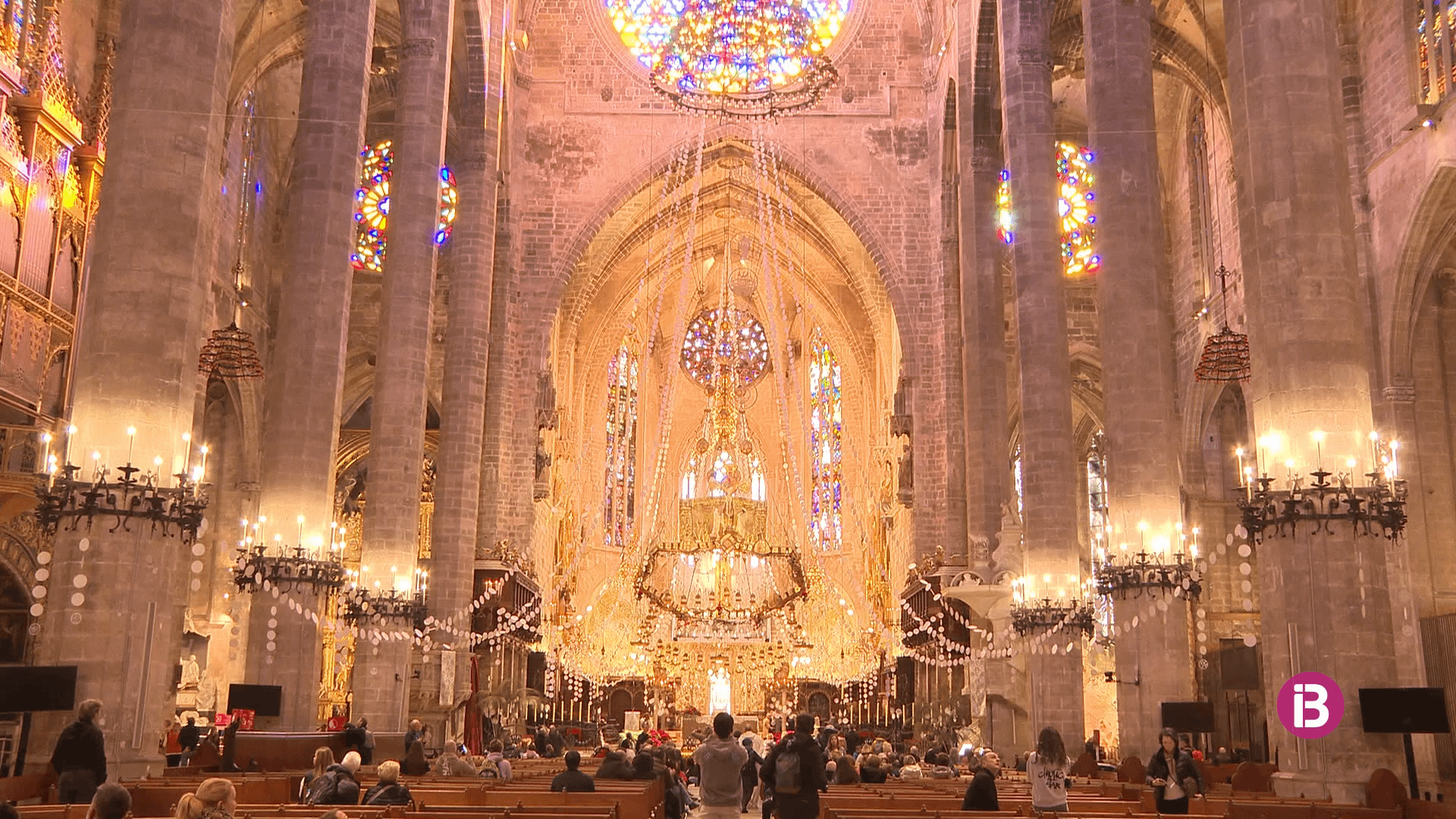
Il Canto della Sibilla: una profezia medievale cantata la vigilia di Natale che si è estinta come tradizione in tutto il Mediterraneo tranne che nei luoghi di lingua catalana di Alguer (Sardegna) e Maiorca, e ora viene recuperata altrove nei Paesi catalani
https://v.redd.it/f8ryzonfk4ac1
di paniniconqueso
1 commento
[Cant de la Sibil·la](https://ca.wikipedia.org/wiki/Cant_de_la_Sibil%C2%B7la)
>El **Cant de la Sibil·la** o **Senyal del Judici** (nom que hi rep a [l’Alguer](https://ca.wikipedia.org/wiki/L%27Alguer)) és un [drama litúrgic](https://ca.wikipedia.org/wiki/Drama_lit%C3%BArgic) i [cant gregorià](https://ca.wikipedia.org/wiki/Cant_gregori%C3%A0) de gran difusió a l'[edat mitjana](https://ca.wikipedia.org/wiki/Edat_mitjana) al sud d’Europa fins que al segle xvi el [Concili de Trento](https://ca.wikipedia.org/wiki/Concili_de_Trento) (1545-1563) va anar fent-lo desaparèixer. Considerat com un [ritu pagà](https://ca.wikipedia.org/wiki/Paganisme), aquesta peça de teatre religiós que pronostica l’arribada del [Messies](https://ca.wikipedia.org/wiki/Messies) i la fi del món i es va anar deixant de representar a les esglésies, de manera que només es conservà intacte a [Mallorca](https://ca.wikipedia.org/wiki/Mallorca) i a la ciutat de l'[Alguer](https://ca.wikipedia.org/wiki/L%27Alguer). L’any 2010, la [UNESCO](https://ca.wikipedia.org/wiki/UNESCO) va declarar la representació mallorquina [Patrimoni Cultural Immaterial de la Humanitat](https://ca.wikipedia.org/wiki/Patrimoni_Cultural_Immaterial_de_la_Humanitat). A Catalunya, durant el segle xix, l’interès d’alguns folkloristes per aquest drama litúrgic va començar a impulsar-ne la recuperació.
*The Song of the Sibyl or the Sign of Judgement (which is the name by which it is known in Alguer) is a liturgical drama and a Gregorian chant which enjoyed great popularity in medieval south Europe until the 16th century, when the Council of Trent banned its practice, due to it being considered a pagan ritual, and its practice every year was only conserved intact, continuously and without interruption to this day, in Mallorca and the city of Alguer. This work of religious theatre predicts the arrival of Jesus and the end of the world. In 2010, UNESCO declared the Mallorcan version a “Masterpiece of the Oral and Intangible Heritage of Humanity”. In Catalonia (and Valencia), cultural activists promoted its recuperation from the 19th century onwards.*
Even though it is composed and obviously sung in medieval Catalan, if you know modern Catalan, it’s extremely readable. And if you’ve ever read anything of Old Catalan, even better. E.g. *parrà* is *apareixerà*, from the old verb *parer*.
>Lo jorn del Judici
>parrà qui haurà fet servici.
>Jesucrist, Rei universal,
>home i ver Déu eternal,
>del cel vindrà per a jutjar
>i a cada u lo just darà.
>Gran foc del cel davallarà;
>mars, fonts i rius, tot cremarà.
>Los peixos donaran grans crits
>perdent los naturals delits.
>Ans del Judici l’Anticrist vindrà
>i a tot lo món turment darà,
>i se farà com Déu servir,
>i qui no el crega farà morir.
>Lo seu regnat serà molt breu;
>en aquell temps sots poder seu
>moriran màrtirs tots a un lloc
>aquells dos sants, Elies i Enoc.
>Lo sol perdrà la claredat
>mostrant-se fosc i entelat,
>la lluna no darà claror
>i tot lo món serà tristor.
>Als mals dirà molt agrament:
>Anau maleïts, en el turment!
>anau-vos-ne en el foc etern
>amb vòstron príncep de l’infern!
>Als bons dirà: — Fills meus, veniu!
>benaventurats posseïu
>el regne que us he aparellat
>des que lo món va esser creat!
>Oh humil Verge! Vós qui heu parit
>Jesús Infant aquesta nit,
>a vòstron Fill vullau pregar
>que de l’infern vulla’ns lliurar!
>Lo jorn del Judici
>parrà qui haurà fet servici.