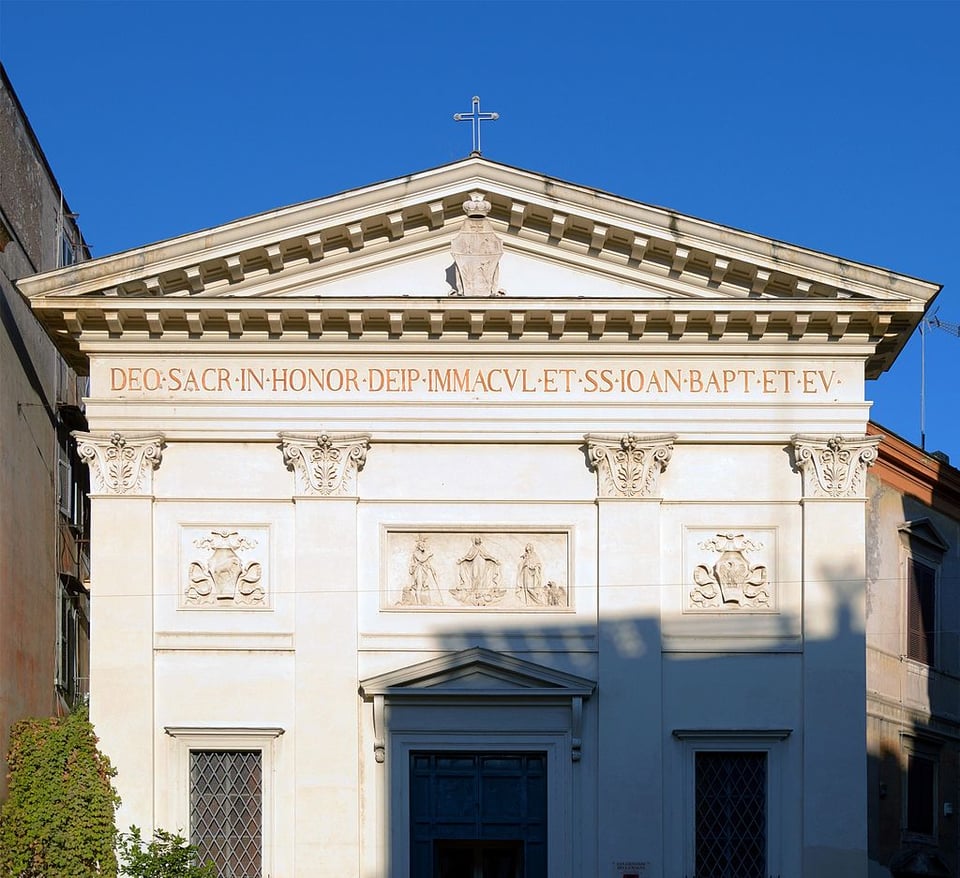
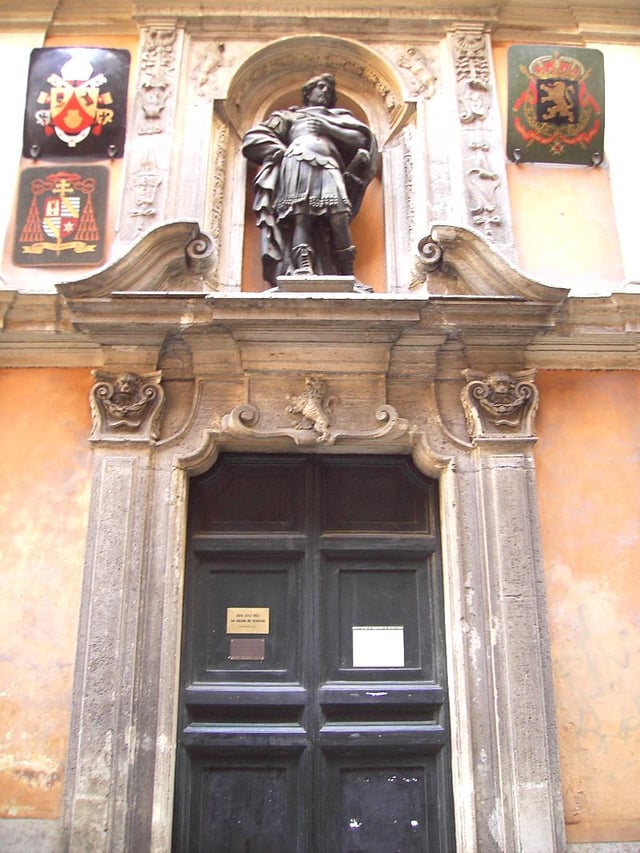
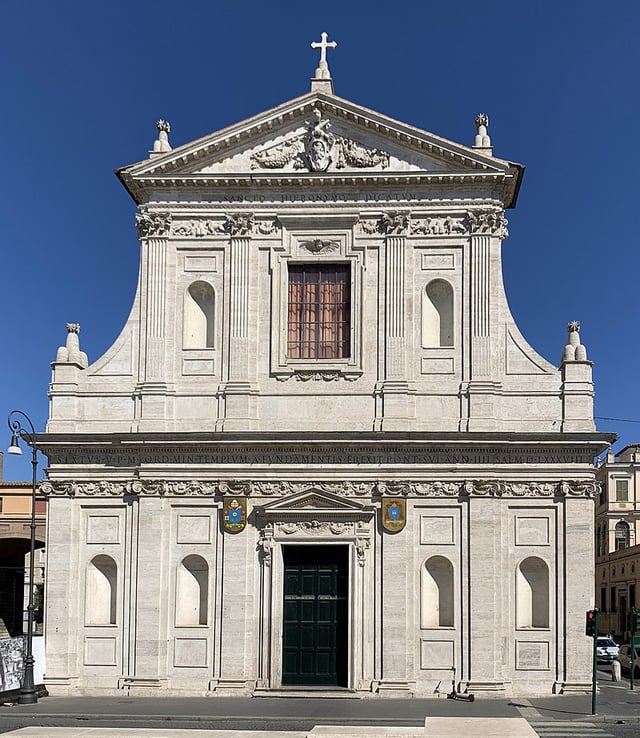
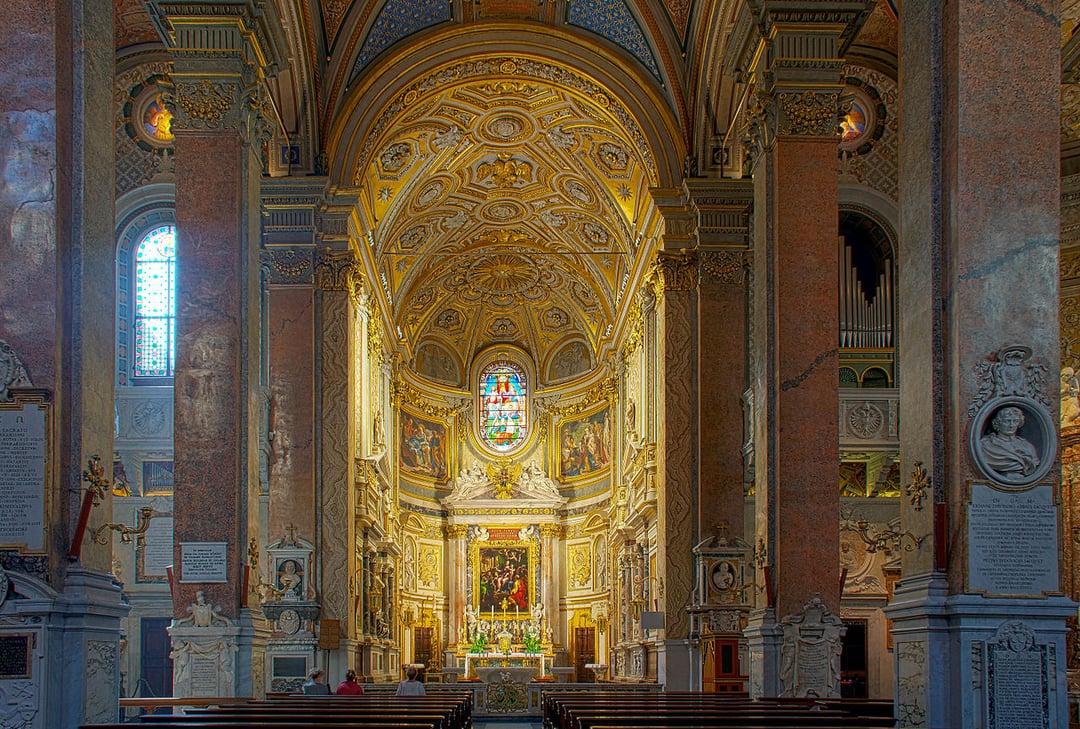
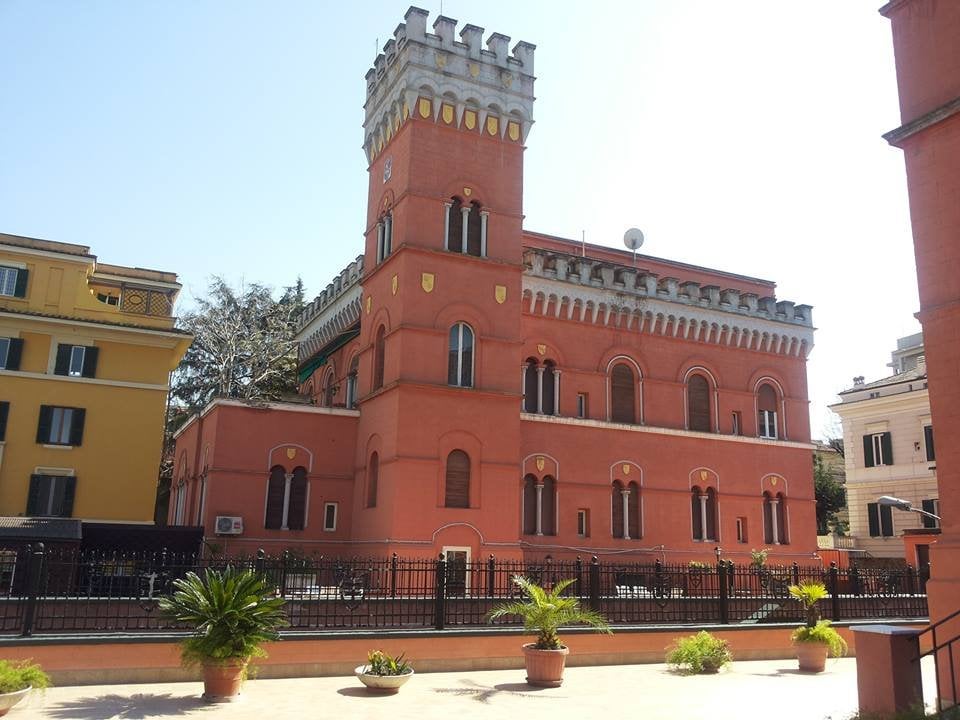
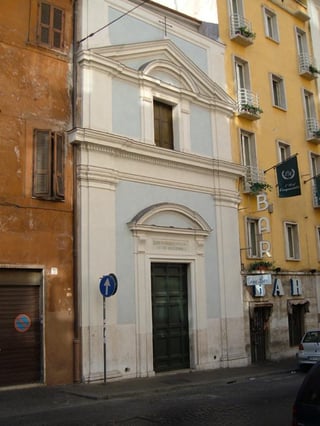
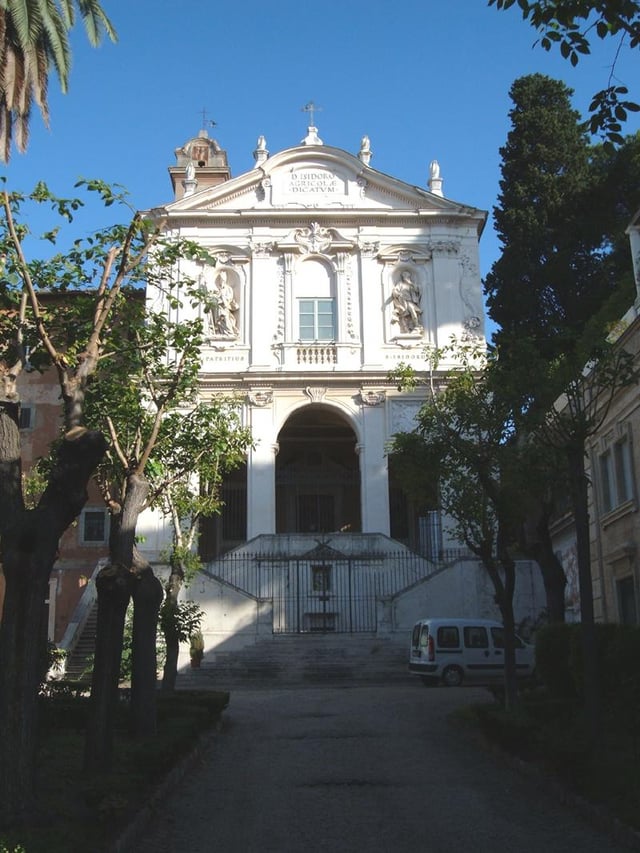
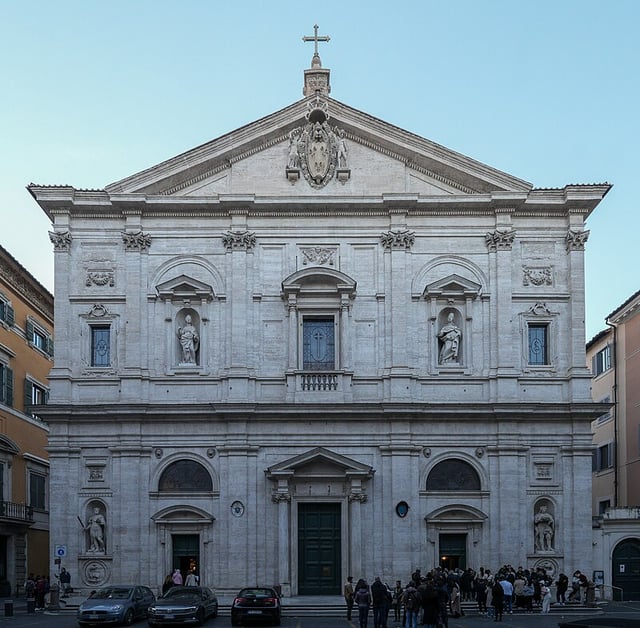
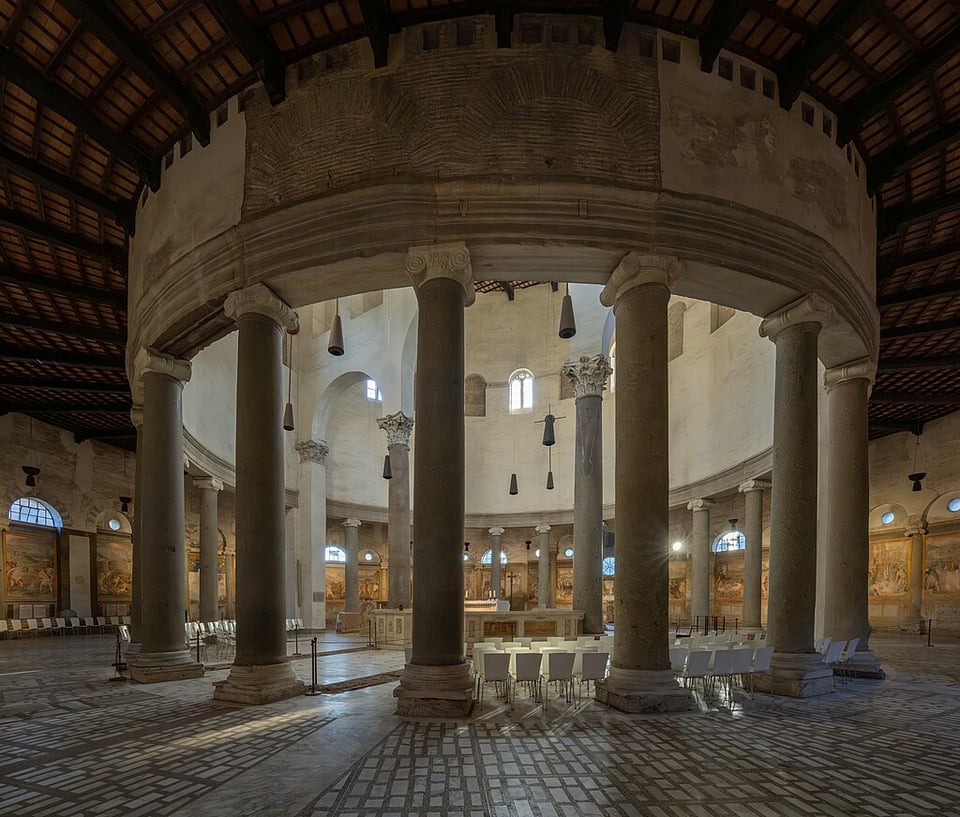
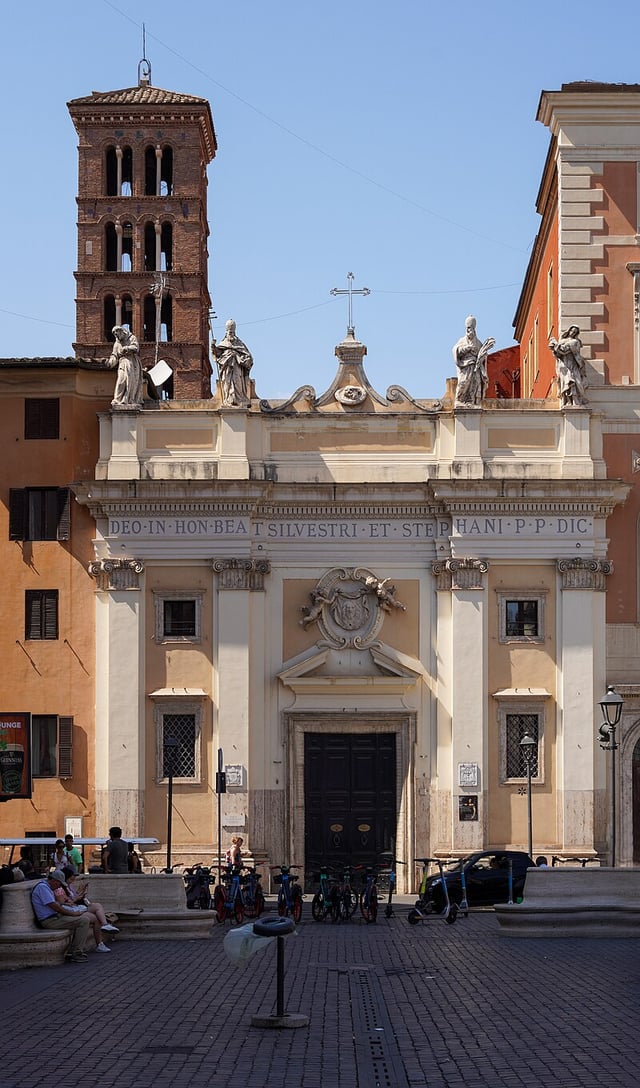
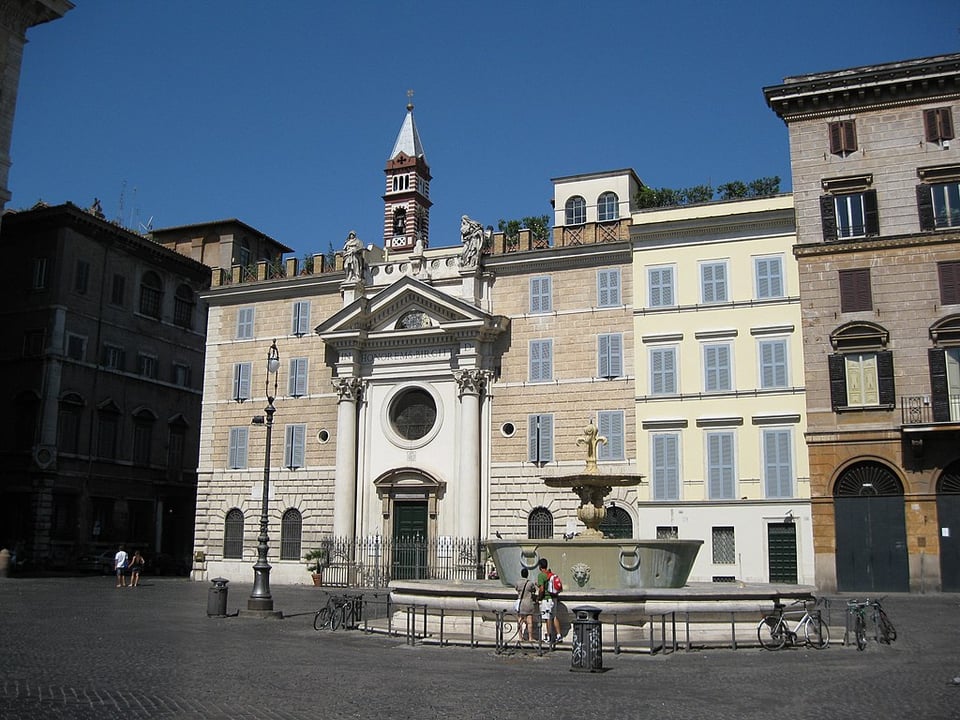
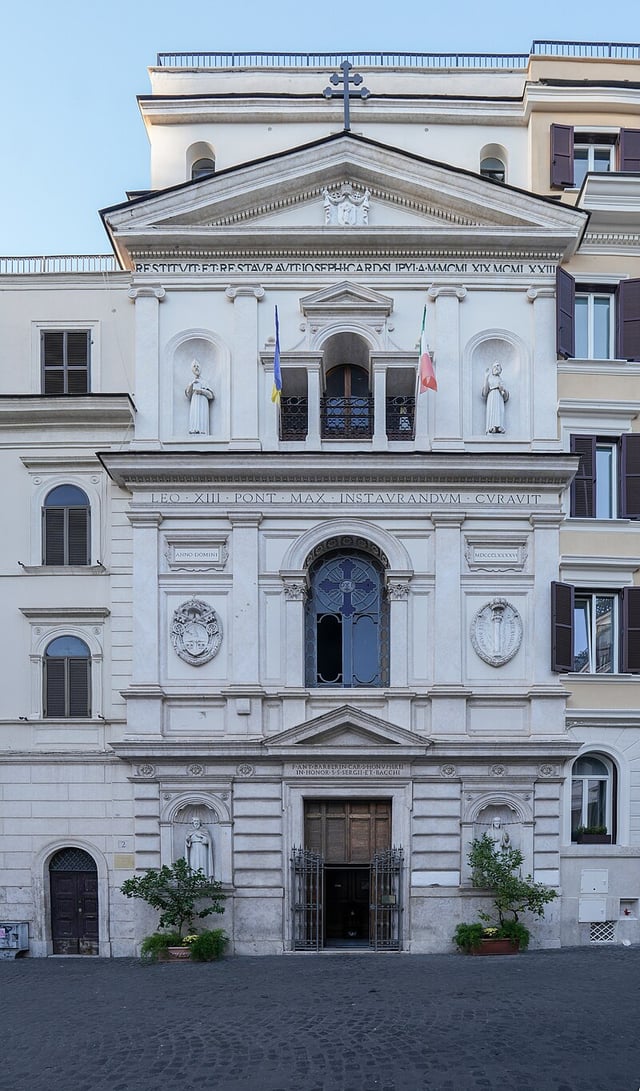
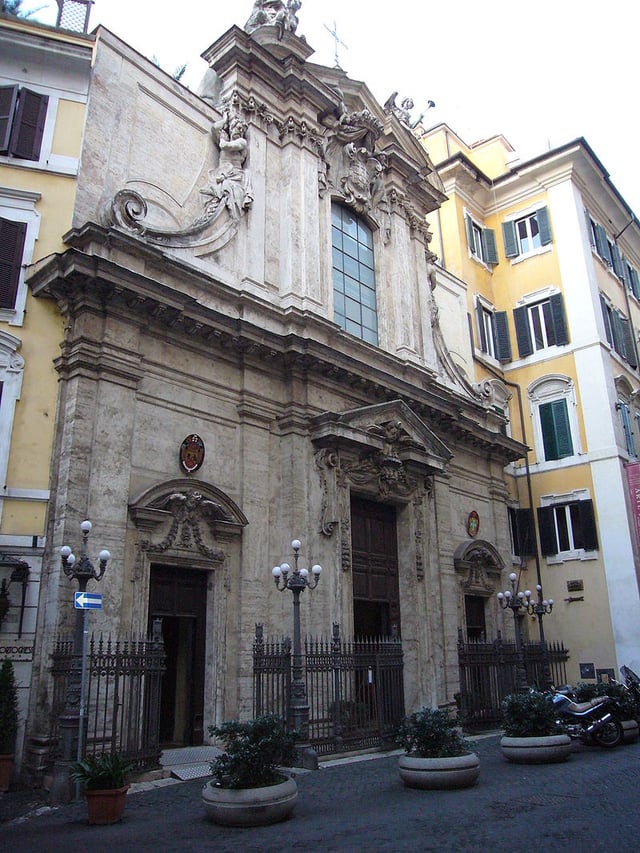
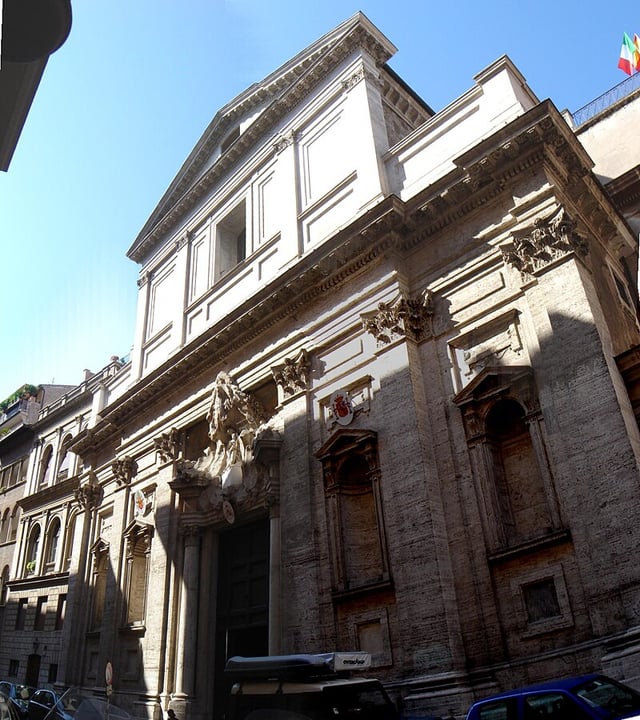
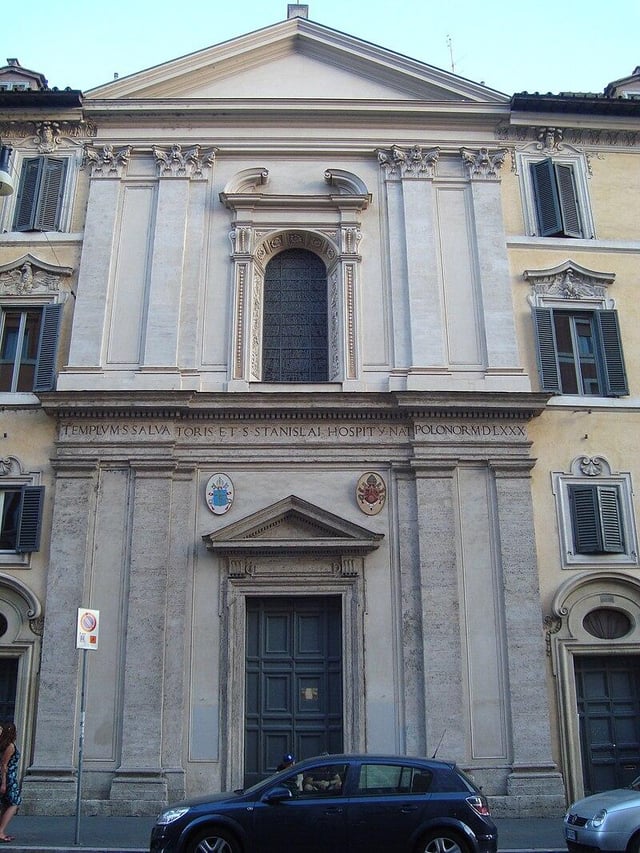
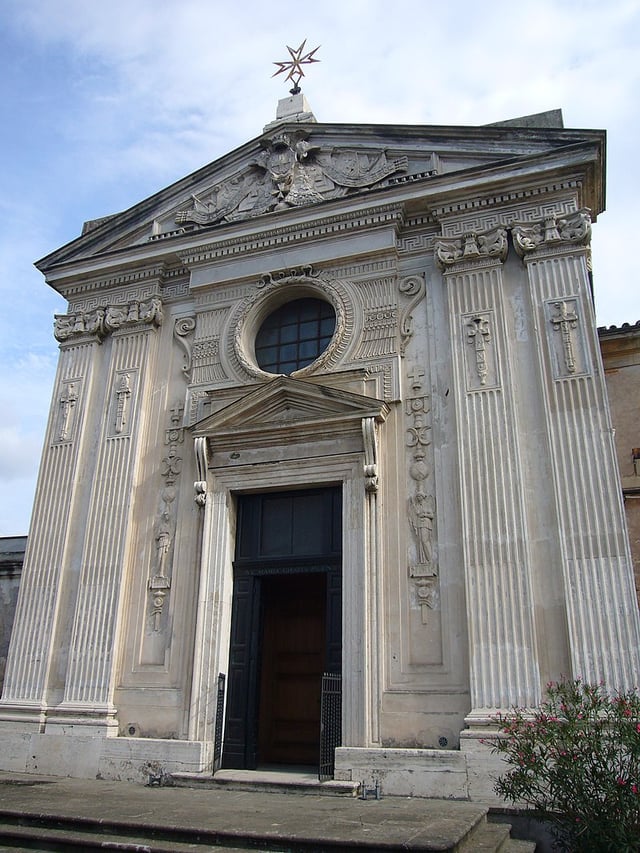
Le Chiese nazionali dei paesi europei a Roma
https://www.reddit.com/gallery/1fc3ieg
di Al-dutaur-balanzan

Le Chiese nazionali dei paesi europei a Roma
https://www.reddit.com/gallery/1fc3ieg
di Al-dutaur-balanzan
11 commenti
Charitable institutions attached to churches in Rome were founded right through the medieval period and included hospitals, hostels, and others providing assistance to pilgrims to Rome from a certain “nation”, which thus became these nations’ national churches in Rome (Italian: chiese nazionali).
These institutions were generally organized as confraternities and funded through charity and legacies from rich benefactors belonging to that “nation”. Often, they were also connected to national scholæ (ancestors of Rome’s seminaries), where the clergymen of that nation were trained. The churches and their riches were a sign of the importance of their nation and of the prelates that supported them.
Having been created under royal patronage or through the endowment of private benefactors in ancient times, they do not always coincide with modern countries.
For example Santa Maria dell’Anima ai Teutoni was created to serve the pilgrims of the German nation, which in those times included the “Germans” of the Holy Roman Empire (Germany, Austria, the Netherlands).
Conversely, the National church of France did not include Bretons, Bourgogne or Corsicans, as they were legally separate or annexed after the founding of the church.
San Luigi dei Francesi Is easy to find going from the Pantheon to Piazza Navona and it’s really worth a stop to admire a chapel with three masterpieces from Caravaggio, especially the “Call of Saint Matthew”.
In the Vatican city there is a German cemetary and anyone who askes the Swiss guard in German language to visit it will be let in.
Which city is more sacred for Christians? Jerusalem or Rome?
Are we the country with the most churches?
The Dutch Pilgrims and community in Rome have the ” Church of the Frisians” https://en.wikipedia.org/wiki/Santi_Michele_e_Magno,_Rome
The Borgia popes are buried at Santa Maria in Monserrat.
OK, that German church is a bit bland, could take more gold and bling. But at least it has a nice size.
I never knew this was a thing
This post inspired me to look for a Bulgarian church in Rome, thinking that most probably there would not be one, or it will be a 5m2 room attached to the embassy. I did not expect to see a pretty fucking awesome church next to the Trevi fountain.
I looked up the first picture and it took me to the Wikipedia page for San Giovanni della Malva in Trastevere which is apparently the national church of Albania ([link](https://en.wikipedia.org/wiki/San_Giovanni_della_Malva_in_Trastevere)).