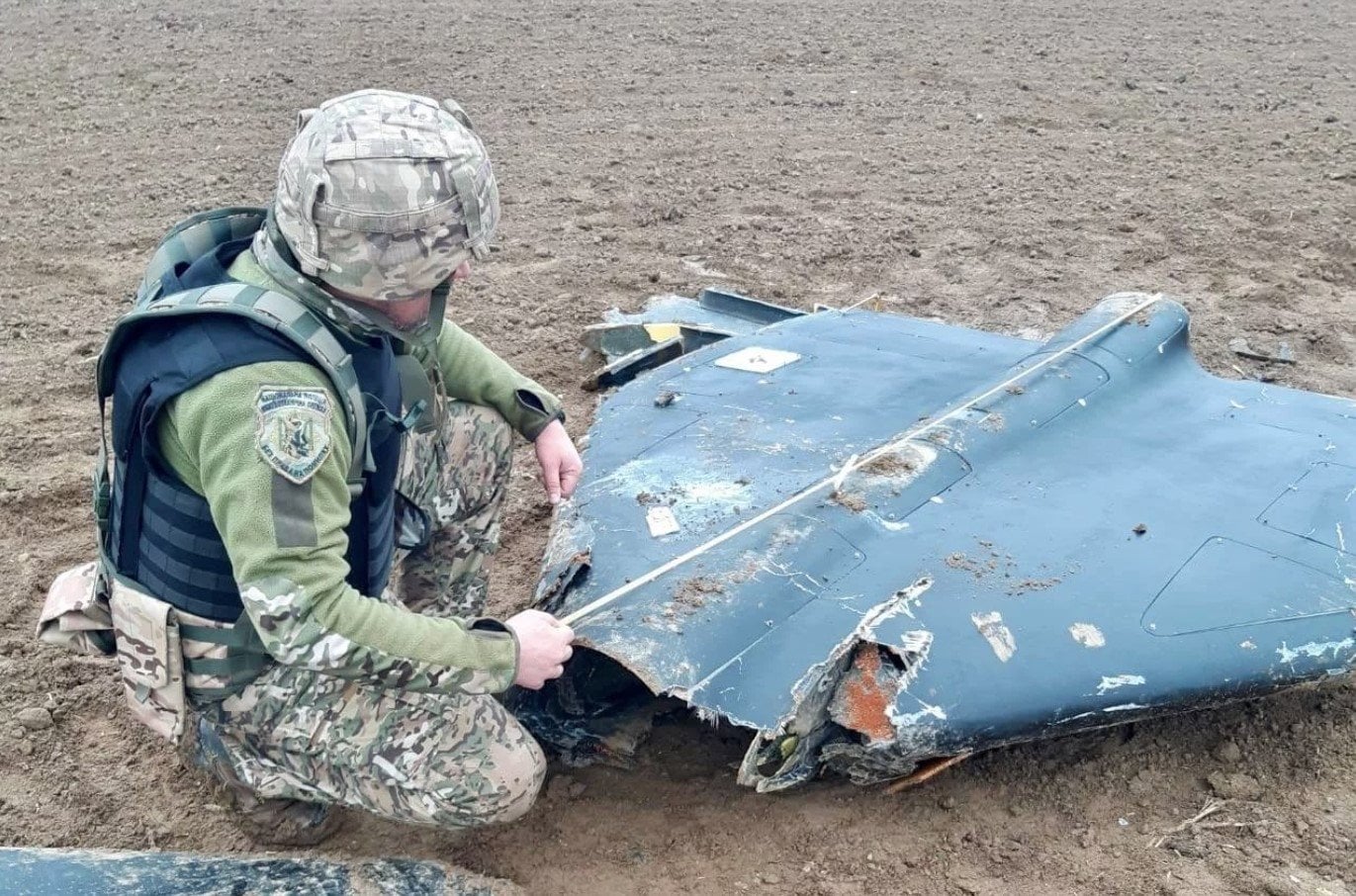
Nuova antenna CRPA cinese trovata su Shahed russo
https://mil.in.ua/en/news/new-chinese-crpa-antenna-found-on-russian-shahed/
di Mil_in_ua

Nuova antenna CRPA cinese trovata su Shahed russo
https://mil.in.ua/en/news/new-chinese-crpa-antenna-found-on-russian-shahed/
di Mil_in_ua
1 commento
A **CRPA antenna** stands for **Controlled Reception Pattern Antenna**. It is a specialized type of antenna designed to improve the reliability and accuracy of Global Navigation Satellite System (GNSS) signals like GPS, Galileo, BeiDou, GLONASS, etc., especially in challenging environments where interference and jamming are present.
Here’s a breakdown of what a CRPA antenna does and why it’s important:
**Key Features and Functions:**
* **Anti-Jamming and Anti-Spoofing:**The primary purpose of a CRPA antenna is to resist radio frequency interference (jamming) and deceptive signals (spoofing) that can disrupt or mislead GNSS receivers.
* **Dynamic Reception Pattern:** Unlike traditional antennas with fixed reception patterns, a CRPA antenna can dynamically adjust its reception pattern in real-time. This is achieved through multiple antenna elements and sophisticated signal processing.
* **Null Steering:** The antenna can create “nulls” or areas of reduced sensitivity in the direction of interfering signals, effectively blocking them.
* **Beam Steering:** Simultaneously, the antenna can focus its reception “beams” towards the genuine GNSS signals, enhancing their strength and reliability.
* **Multiple Antenna Elements:** A CRPA typically consists of multiple individual antenna elements arranged in a specific configuration (often circular). Each element receives the signals, and the processing unit combines these signals to form the desired reception pattern.
* **Adaptive Technology:** The antenna’s behavior is adaptive, meaning it constantly monitors the environment and adjusts its pattern to counter any detected interference.
**Applications:**
CRPA antennas are crucial in various applications where reliable and accurate positioning, navigation, and timing (PNT) are critical, particularly in environments prone to interference:
* **Military and Defense:** Protecting military vehicles, aircraft, and equipment from electronic warfare threats like jamming and spoofing.
* **Commercial Aviation:** Enhancing the resilience of aircraft navigation systems against intentional or unintentional interference.
* **Autonomous Vehicles:** Ensuring the reliable operation of self-driving cars and other autonomous systems by mitigating interference.
* **Critical Infrastructure:** Protecting systems that rely on precise timing and location, such as power grids and financial networks.
* **Maritime Navigation:** Improving the accuracy and reliability of marine navigation in challenging RF environments.
**In summary, a CRPA antenna is a sophisticated antenna system that uses multiple elements and advanced signal processing to actively combat radio frequency interference and ensure the integrity of GNSS signals for reliable positioning and navigation.**