Unità di clan tradizionali armeni (Gerdastan)
https://www.reddit.com/gallery/1bjyl7u
di TheJaymort

Unità di clan tradizionali armeni (Gerdastan)
https://www.reddit.com/gallery/1bjyl7u
di TheJaymort
1 commento
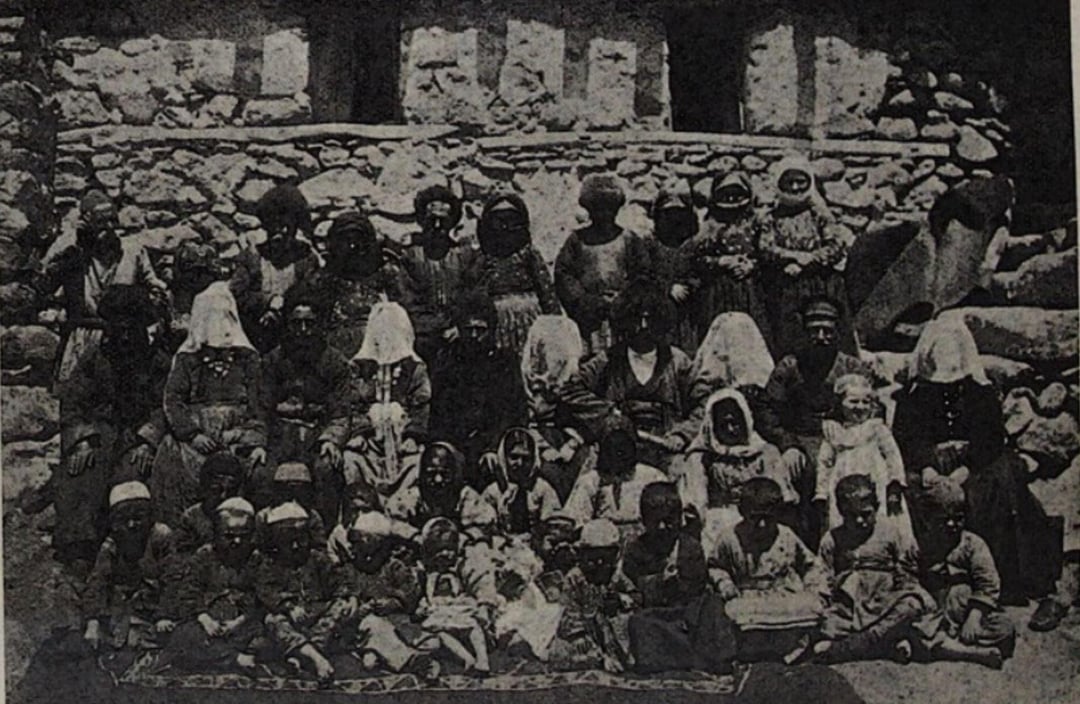
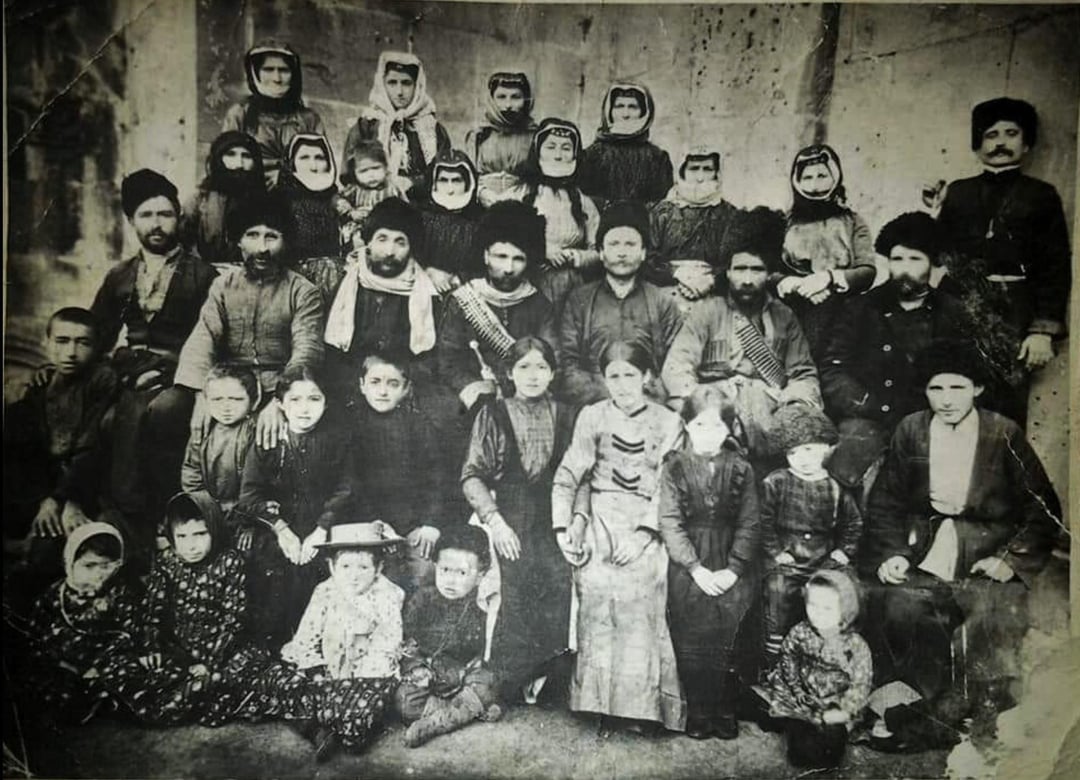
A Gerdastan was, in essence, a large extended family of blood relatives and their spouses living under one roof. This form of organization can be understood as somewhere in between a clan and a modern family (More expansive clan traditions, akin to something like Chechen Teips, could be found among Armenians living in some areas such as Lori). Although in the past, very large Gerdastans of perhaps 70 people used to exist, by the late 19th century the average Gerdastan consisted of 25–30 people. This unit was defined by the following features:
1: Strict Patriarchal Rule: At the top of the Gerdastan was one man, the patriarch (Hayrapet) who exercised final, absolute control over it. He alone would determine the work that his family members would engage in, he alone would decide who his relatives married, and all the property and finances of every member of the Gerdastan were ultimately under his total control. Anyone who dared to question the rule of the patriarch was often excised from the Gerdastan. As the patriarch grew older and older, more and more of his decision-making powers would gradually be forfeited to his children. Eventually, his eldest son would replace him as the head of the Gerdastan.
A level below the patriarch was his wife, who exercised near total control over the women in the household, the daughters and brides. Without her permission, they were not allowed to go anywhere outside. The matriarch’s main goal was to set a good example and precedent for the female members of the household through her unrelenting work ethic, she was responsible for teaching them basic skills such as cooking, sewing, carpet weaving, etc.
2: Respect for Elders: Respect for elders was paramount in Gerdastans, and preference in all things was always given based on age. People were meant to uphold this standard of respect with anyone older than them, with some exceptions based on gender norms that will be touched on in the next section. In practice, “respect for elders” could manifest itself in numerous ways.
1: When sitting and eating, elders were always at the head of the table and would be given the most food. In the house, elders always sat nearest to the fireplace.
2: If an elder brother happened to suffer from sleeplessness one day, and was unable to go to sleep, then those of his siblings who were younger than him would be forced to stay awake until he decided to go to sleep.
3: When an elder entered the room, those younger than them would have to stand up out of respect and make enough room for them to pass or sit down.
4: Younger people would take great care not to speak in front of elders, even talking with one’s wife in the presence of an elder was strictly forbidden.
3: Absolute Male Dominance: From their childhood to their elderly years, women were totally subordinate to men. In their childhood, girls were considered subordinate to their brothers regardless of who was eldest, and in an argument, the girl’s parents would always take the side of her brother. Once she was married and moved in with her husband, a woman would be wholly subordinate to the men of her new Gerdastan. She had no right to speak directly to any men at all in her new household, nor did she have the right to speak in the presence of any men, as this was deemed disrespectful. This very strict patriarchal system of respect led to the development of a sort of sign language, deemed “Harsneren” (the word can be loosely translated to something like “brideish”, as in the bride’s language, in English). This form of communication, one of a relatively small number of indigenous sign languages, was used to communicate basic needs to relatives while the woman was in the presence of men. Given these facts, a woman’s role in the inner workings of society was extremely limited. Even in a case where a woman had no male relatives to defend herself in a village court or public gathering, she would be lambasted by the public for doing it herself as she had no right to do so.