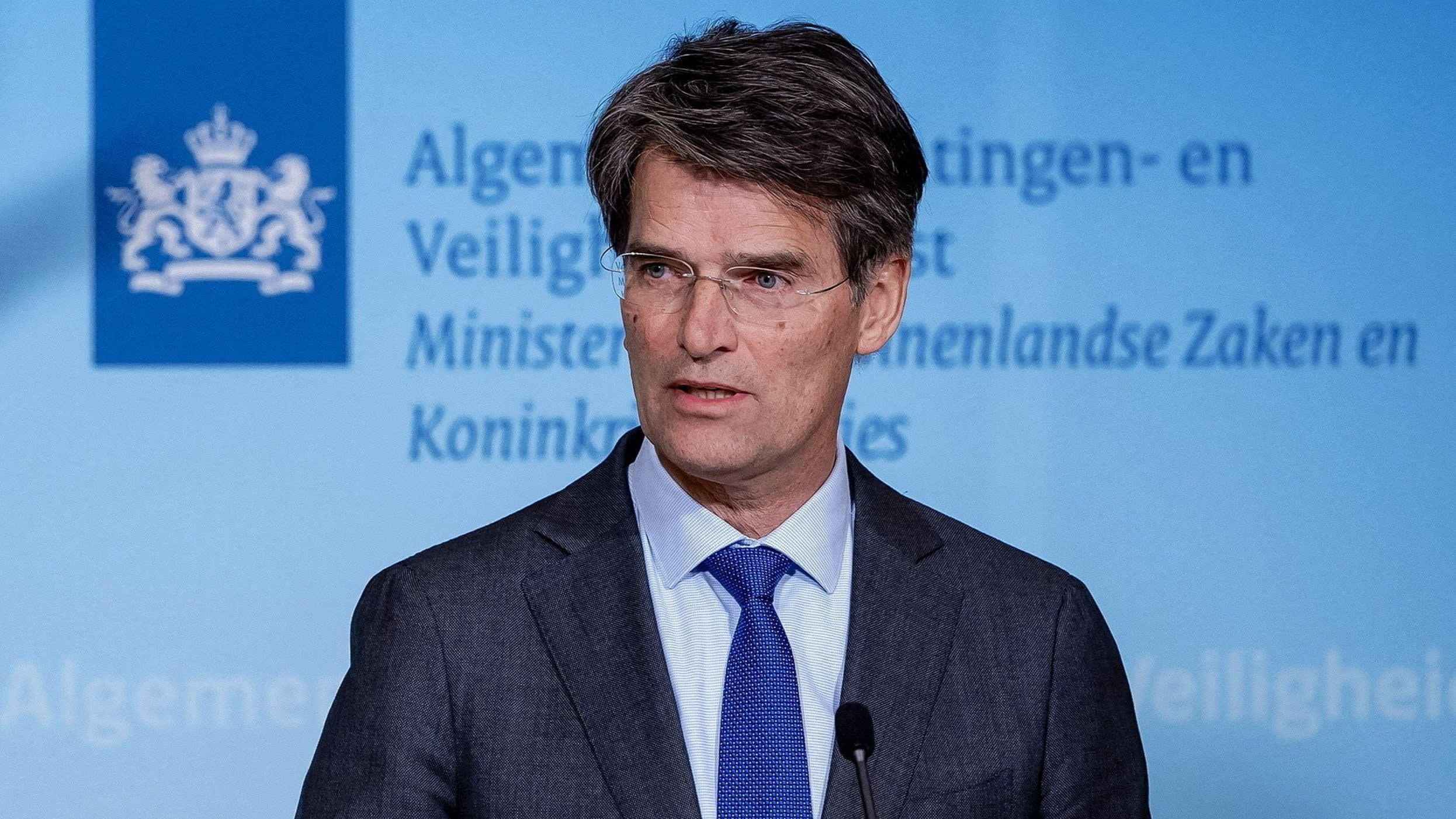
I Paesi Bassi riducono la condivisione di intelligence con gli Stati Uniti sui “diritti umani”
https://www.ft.com/content/af8042f0-5de9-4509-bcb2-2d98d26a3d21
di BkkGrl

I Paesi Bassi riducono la condivisione di intelligence con gli Stati Uniti sui “diritti umani”
https://www.ft.com/content/af8042f0-5de9-4509-bcb2-2d98d26a3d21
di BkkGrl
5 commenti
> **Dutch spy chiefs cite concerns about Trump administration’s ‘politicisation’ of services**
>
> The Netherlands has curtailed intelligence co-operation with the US over fears the Trump administration could use it to violate human rights or assist Russia.
>
> The heads of civilian and military intelligence said in a joint interview with Dutch newspaper de Volkskrant that they had become more cautious in what they share given the “politicisation of our intelligence”.
>
> It is the frankest admission by a foreign spy agency about the consequences of US President Donald Trump’s interference in intelligence matters.
>
> Erik Akerboom, director-general of the AIVD domestic intelligence service, and Peter Reesink, director of the MIVD military intelligence agency, said in the interview published over the weekend that they regretted Trump had fired National Security Agency chief Timothy Haugh in April.
>
> “I can’t comment on how that relationship is now compared to before. But it’s true that we make that decision and sometimes don’t share things anymore,” Reesink said.
>
> They indicated the sharing restrictions applied to intelligence about Russia. Trump’s stance on his Russian counterpart Vladimir Putin has shifted several times this year — most recently on Friday when the US leader pressured Ukraine’s Volodymyr Zelenskyy to agree to Moscow’s terms on how to end the war.
>
> When asked how the agencies acted when it was “uncertain” how intelligence about Russia would be used, Reesink replied: “That will be weighed.”
>
> Akerboom added: “Sometimes you have to think on a case-by-case basis: can I still share this information or not?”
>
> Asked if the Trump administration’s overhaul of federal services, including the NSA and the CIA, had an impact on what the Dutch agencies were willing to share with their US counterparts, Akerboom replied: “We don’t judge what we see politically, but we look at our experiences with the services. And we are very alert to the politicisation of our intelligence and the violation of human rights.”
>
> However, Reesink stressed “relations are good” following a visit to the NSA and CIA a few months ago. “Relations are good and will remain so. That does not alter the fact that we regularly evaluate that co-operation.”
>
> The Netherlands has been one of the US’s staunchest allies and intelligence partners for decades. Dutch spies helped sabotage Iran’s nuclear programme, including by using an Iranian engineer to plant the Stuxnet computer virus into its systems in 2010.
>
> Bart Groothuis, a former head of cyber security at the Dutch defence ministry who is now an MEP, said the two countries had long worked together to take on autocrats.
>
> The US would suffer if it alienated allies by acting in a similar manner.
>
> “It illustrates that many hard power co-operation is based on soft power trust and values. You can’t have one without the other.”
>
Tf is going on over there first the problems about the chip manufacturing with china and now this? Is there any correlation between all of this or just unlucky timing?
Serious what is the Dutch capability here?
Doesn’t surprise me. To convince me other countries won’t start taking similar measures as the Netherlands, you’d have to convince me that Trump’s assaults on democracy will magically and abruptly stop within the next few months – but of course they won’t. Trump is achieving in months what took Orban years.
It’s not over human rights. If it was about human rights, the whole EU would have stopped sharing intel with the US since Desert Storm.