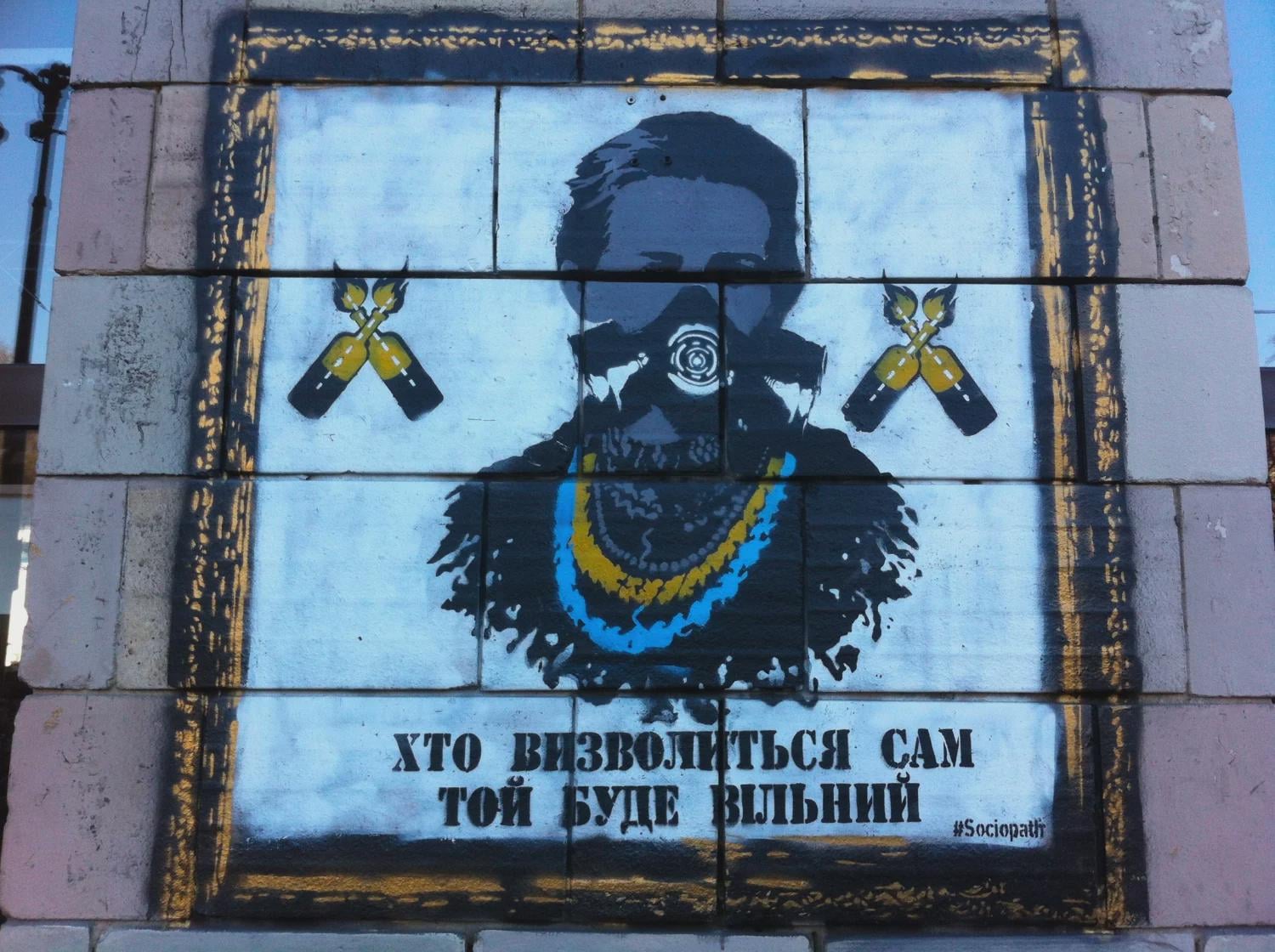
Lesia Ukrainka: Chi si libera sarà davvero libero
https://i.redd.it/2wgqu7642wyf1.jpeg
di Lysychka-

Lesia Ukrainka: Chi si libera sarà davvero libero
https://i.redd.it/2wgqu7642wyf1.jpeg
di Lysychka-
4 commenti
Lesia Ukrainka, born Larysa Kosach, was an inspiring woman – a breathtaking poet, a determined folklorist and a top-notch translator. She made an indelible mark on Ukrainian culture, literature and society during her short life – she was only 42 when died.
Larysa, or Lesia as she was called by her loved ones, was born in 1871 in a city called Novohrad-Volynskyi in Zhytomyr region. The Kosach family was very socially, culturally, and politically active family and a part of the Ukrainian lower gentry. Her mother was a folklorist and a poet; she was the publisher of the first feminist magazine in Ukraine. Her father was a lawyer, public figure, educator, and philanthropist. If you know much about Ukrainian history under occupation, you will not be surprised to learn that many of her family members were arrested, exiled and persecuted.
Lesia suffered from debilitating ailments all her life, which also led to her premature death. However, this did not stop this strong woman from leading a very interesting life and leaving a most impressive legacy.
At the age of 13, she published 2 books of poetry under the pseudonym “Lesia Ukrainka”. It is believed that she chose this pseudonym as her favorite uncle, the impressive Ukrainian writer and political activist Mykola Drahomanov, sometimes used the pseudonym “the Ukrainian”. Lesia and her uncle Mykola enjoyed a very close and supportive relationship. He, being a force to be reckoned with in Ukrainian political and academic landscape, was forced to emigrate to avoid arrest and imprisonment by russian authorities. He introduced her to many of his political and social allies and friends, helping the young woman to enter the public stage – which at this time around the world was reserved mostly only for men.
In her letter to her uncle Mykola, she wrote words that rang true only a few months ago:
>It is a pity that the majority of our community reads only the Russian press, and because of that, they do not see the world as it is: neither what is in the window, nor what is outside the window.
Probably the most iconic poem written by Lesya is «Contra Spem Spero!» – there are many possible translations for the Latin phrase – against all hope, I hope. Today, this is also probably her most famous and most quoted phrase of her prolific oeuvre.
written by u/Lysychka- and u/duellingislands
GOD BLESS HER!
GLORY TO UKRAINE! 🇺🇦
Very interesting and thought-provoking.
It makes me so angry that this and its two companion paintings have been removed.