
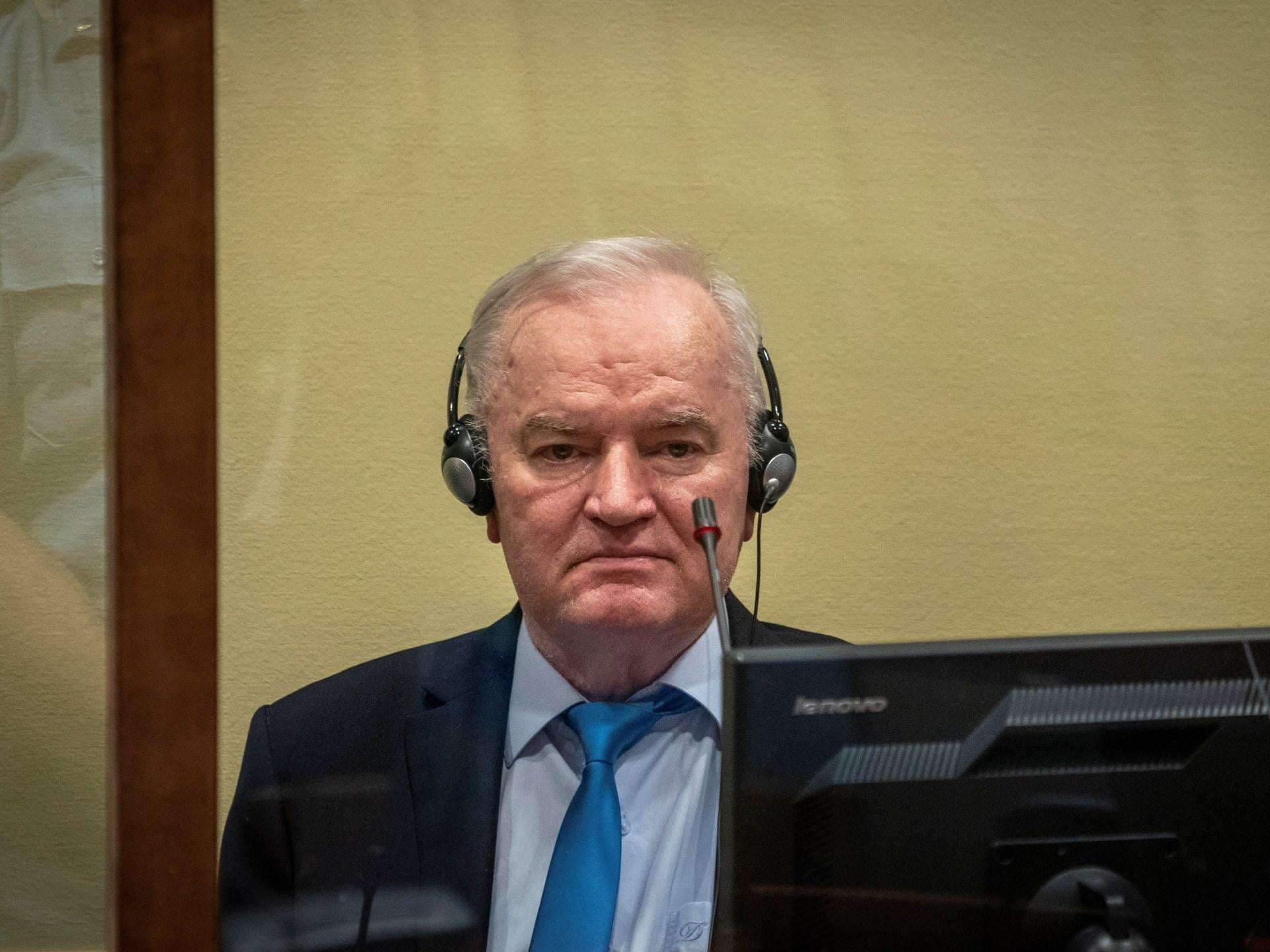
La corte dell’ONU nega il rilascio anticipato del leader serbo Mladic, responsabile del genocidio di Srebrenica | Crimini contro l’umanità
https://www.aljazeera.com/news/2025/7/30/un-court-denies-mladic-who-led-bosnias-srebrenica-massacre-early-release
di Blazkowski
3 commenti
Serbian War Crimes in Balkan Wars:
**Srebrenica Genocide (July 1995)**
* Over 8,000 Bosnian Muslim men and boys were systematically executed
* Mass executions occurred at multiple sites
* Bodies were buried in mass graves, later moved to secondary graves to conceal evidence
**Siege of Sarajevo (1992-1995)**
* Nearly 4-year campaign of shelling and sniping against civilians
* Approximately 10,000 civilians killed
* Deliberate targeting of civilian areas including markets, breadlines, and funerals
**Ethnic Cleansing Campaign**
* Systematic deportation and forced transfer of Bosnian Muslim and Croat populations
* Destruction of cultural and religious sites (mosques, churches)
* Use of detention camps where prisoners faced severe abuse
**Other Crimes**
* Taking UN peacekeepers hostage and using them as human shields
* Targeting of civilian infrastructure including hospitals and schools
The tribunal found these actions were part of a joint criminal enterprise to permanently remove Bosnian Muslims and Croats from Serb-claimed territories. The systematic nature and scale of these crimes led to his convictions for genocide, crimes against humanity, and war crimes.
Ratko Mladić was a Bosnian Serb military leader convicted of war crimes. He served as the commander of the Army of Republika Srpska during the Bosnian War (1992-1995).
In 2017, the International Criminal Tribunal for the former Yugoslavia (ICTY) convicted him of:
* Genocide (specifically for the Srebrenica massacre in 1995, where over 8,000 Bosnian Muslim men and boys were killed)
* Crimes against humanity
* Violations of the laws of war
He was sentenced to life imprisonment. The conviction was upheld on appeal in 2021. He’s currently serving his sentence in a prison facility where ICTY convicts are held.
He wil not live much longer. This is just question of place he will die. Prison or some hospital in Serbia.
IRMCT is not technically a court. Although it is staffed with judges, the scope of this legal mechanism is strictly limited to follow-up needs of ICTY and ICTR cases. That is there will be no new cases to see and for all existing ones court process is complete, but some formalities still need to be observed (such as this application for early release).